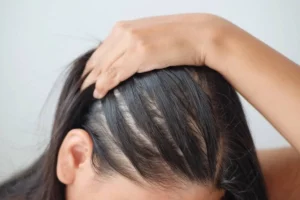
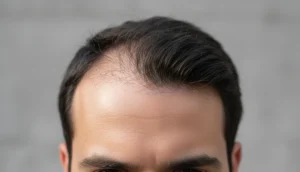
Understanding hair before and after chemo is essential for anyone facing cancer treatment, because hair loss can affect confidence and emotional well‑being. This article explains the biological reasons behind hair loss, the typical timeline of change, practical ways to cope during treatment, and what to anticipate when hair begins to grow back. A striking statistic shows that up to 80% of patients undergoing chemotherapy experience some degree of hair loss, making preparation and support crucial.
We will walk through the stages of hair change—from the first signs of thinning before treatment, through the shedding that occurs during chemotherapy, to the gradual regrowth that follows. Along the way, you’ll learn about common concerns such as texture changes, the impact of radiation therapy, and natural methods that may support healthier regrowth.
By the end of this guide, you’ll have a clear picture of what to expect, how to protect your scalp, and which resources can help you feel more in control of your appearance throughout the cancer journey.
Understanding Chemotherapy‑Induced Hair Loss
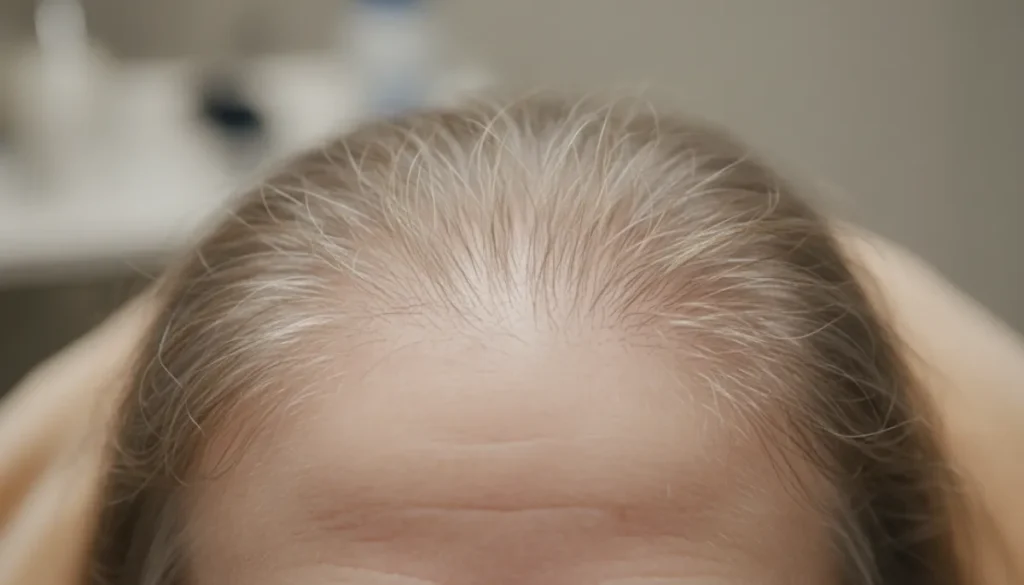
Hair loss caused by chemotherapy occurs because the drugs target rapidly dividing cells, which include not only cancer cells but also hair‑follicle cells. This phenomenon is often referred to as chemotherapy‑induced hair loss. While the exact mechanism can vary between drug regimens, the result is usually a uniform shedding of hair across the scalp, eyebrows, and sometimes body hair.
Why Hair Falls Out
The cytotoxic agents interrupt the normal growth cycle of hair follicles, pushing them prematurely into the resting (telogen) phase. As a result, hair shafts become fragile and break off, leading to the classic “chemo curls” that many patients notice.
- Taxanes (e.g., paclitaxel) – high likelihood of hair loss.
- Anthracyclines (e.g., doxorubicin) – moderate to severe shedding.
- Alkylating agents (e.g., cyclophosphamide) – variable impact.
Radiation therapy can also cause hair loss, but its pattern is usually localized to the treated area. The related keyword “does radiation cause hair loss” reflects this distinction.
| Factor | Chemo‑Related Hair Loss | Radiation‑Related Hair Loss |
|---|---|---|
| Onset | 2‑4 weeks after first cycle | During treatment, localized |
| Pattern | Diffuse, whole‑scalp | Patchy, limited to radiation field |
| Regrowth | Usually within 3‑6 months | May be permanent if high dose |
Understanding these mechanisms helps patients set realistic expectations for hair before and after chemo and choose appropriate coping strategies.
Timeline of Hair Changes: Before, During, and After Treatment
Patients often wonder how long it will take for hair to fall out and when it might start growing back. Below is a typical chronology for hair before and after chemo based on clinical observations and patient reports.
Typical Schedule
- Pre‑treatment (Weeks –1 to 0): Some individuals notice subtle thinning or “chemo curls” as the first infusion approaches.
- Early treatment (Weeks 1‑4): Visible shedding begins, often starting at the crown and moving outward.
- Mid‑treatment (Weeks 5‑12): Maximum hair loss is usually reached; many patients are completely bald.
- End of treatment (Weeks 13‑16): Hair follicles enter the recovery phase; fine, downy hair (vellus) may appear.
- Post‑treatment (Months 3‑6): Hair regrowth after chemo becomes noticeable, initially as soft, sometimes curlier strands.
- Long‑term (Months 6‑12+): Hair density improves, though texture may differ from pre‑treatment hair.
While this timeline reflects the most common pattern, individual experiences can vary. Some patients report “I didn’t lose my hair during chemo,” especially with newer targeted therapies that spare hair follicles.
Options for Managing Hair Loss During Chemotherapy
Even though hair loss is often unavoidable, several strategies can lessen its impact and improve quality of life while undergoing treatment.
Medical and Cosmetic Interventions
- Scalp cooling systems: Devices that lower scalp temperature during infusion, reducing blood flow to hair follicles and potentially decreasing loss.
- Wigs and hairpieces: Custom‑made or ready‑to‑wear options provide immediate coverage; synthetic fibers mimic natural movement.
- Head coverings: Scarves, hats, and turbans offer stylish, low‑maintenance alternatives.
- Gentle hair care: Using sulfate‑free shampoos, avoiding heat styling, and limiting chemical treatments help preserve remaining hair.
Natural approaches such as “natural ways to prevent hair loss during chemotherapy” often include scalp massage, balanced nutrition, and stress‑reduction techniques. While these methods are not guaranteed to stop shedding, they can support overall scalp health.
What to Expect When Hair Grows Back After Chemo
After the chemotherapy cycle ends, most patients notice the first signs of hair regrowth after chemo within three to four months. However, the new hair may differ in several ways from the original.
Common Changes in Texture and Color
Many survivors describe the returning hair as:
- Finer and softer (vellus hair) before thickening.
- More curly or wavy, even if pre‑treatment hair was straight.
- Possibly lighter or darker in shade due to pigment changes.
These variations are normal and typically stabilize over the first year. Patience and gentle care are key during this transition.
Supporting Healthy Regrowth
To encourage robust growth, consider:
- Maintaining a protein‑rich diet (lean meats, legumes, nuts).
- Ensuring adequate intake of vitamins B, C, D, and zinc.
- Using mild, moisturizing shampoos and conditioners.
- Avoiding tight hairstyles that can stress new follicles.
While “hair growth after chemotherapy pictures” often show patchy early regrowth, most patients achieve satisfactory density with time and proper care.
Natural Ways to Support Hair Regrowth After Chemo
Beyond medical options, several evidence‑based natural methods may help accelerate hair regrowth after chemotherapy. While results vary, these practices are generally safe and can be incorporated into daily routines.
Topical Herbal Remedies
- Rosemary oil: Known to improve scalp circulation; dilute with a carrier oil and massage gently.
- Castor oil: Rich in ricinoleic acid, supports follicle nourishment.
- Aloe vera gel: Soothes irritated scalp and provides hydration.
Nutrition and Supplements
Key nutrients that support hair health include biotin, omega‑3 fatty acids, and iron. Consulting with an oncologist or dietitian before adding supplements is advisable to avoid interactions with ongoing treatments.
| Supplement | Potential Benefit | Typical Dose |
|---|---|---|
| Biotin (Vitamin B7) | Strengthens keratin structure | 30 µg daily |
| Omega‑3 (Fish Oil) | Reduces inflammation, promotes circulation | 1 g EPA/DHA combined |
| Iron | Prevents anemia‑related thinning | As prescribed after blood test |
Combining these natural approaches with gentle scalp care can enhance the overall appearance of hair as it transitions from the fine vellus stage to mature strands.
Why Choose Gold City Hair
Gold City Hair has been a trusted hair restoration center in Turkey since 2017, offering advanced techniques such as FUE, DHI, and eyebrow or beard transplants. Our team prioritizes personalized care and transparent communication, ensuring each patient receives a treatment plan tailored to their unique needs. While our specialty lies in permanent hair restoration, we also provide expert guidance on managing temporary hair loss, making us a comprehensive partner for anyone navigating hair changes before and after chemo.
Ready to regain confidence in your appearance? Contact Gold City Hair today to discuss personalized strategies for coping with hair loss during treatment and explore future restoration options.
Take the first step toward a brighter, fuller future—schedule your confidential consultation now.
FAQ
What causes hair loss during chemotherapy?
Chemotherapy drugs target rapidly dividing cells, including hair‑follicle cells, pushing them into the resting (telogen) phase and causing shedding.
How long does it take for hair to start growing back after chemo?
Most patients notice the first signs of regrowth within 3‑4 months after completing chemotherapy.
Can scalp cooling reduce chemotherapy‑induced hair loss?
Scalp cooling can lower the risk of hair loss for many patients, though results vary by drug and individual.
What natural methods can support hair regrowth after chemo?
Herbal oils, balanced nutrition, and gentle scalp care are common natural approaches to aid regrowth.
Will my hair texture change after chemotherapy?
Yes, many patients notice their hair becomes finer, curlier, or a different shade after treatment.
Are wigs or head coverings recommended during chemo?
Wigs, scarves, hats, and turbans are widely recommended to provide comfort and confidence during hair loss.