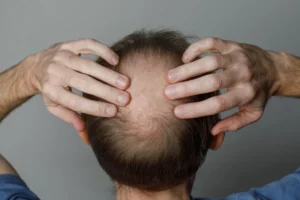
The medical term for alopecia is a precise way clinicians describe hair loss conditions, ranging from temporary shedding to permanent baldness. Understanding this terminology helps patients communicate effectively with specialists and make informed decisions about treatment. In fact, more than 50 % of men and women experience noticeable hair thinning by age 35, making clear terminology essential for early intervention.
Alopecia encompasses a spectrum of disorders, each with distinct causes, patterns, and prognoses. This article will walk you through the most common types, the science behind the medical language, diagnostic procedures, and the latest therapeutic options—including the advanced hair transplant techniques offered by Gold City Hair.
Whether you are dealing with alopecia areata, androgenetic alopecia, or diffuse thinning, knowing the exact medical term can empower you to seek the right care and set realistic expectations for recovery.
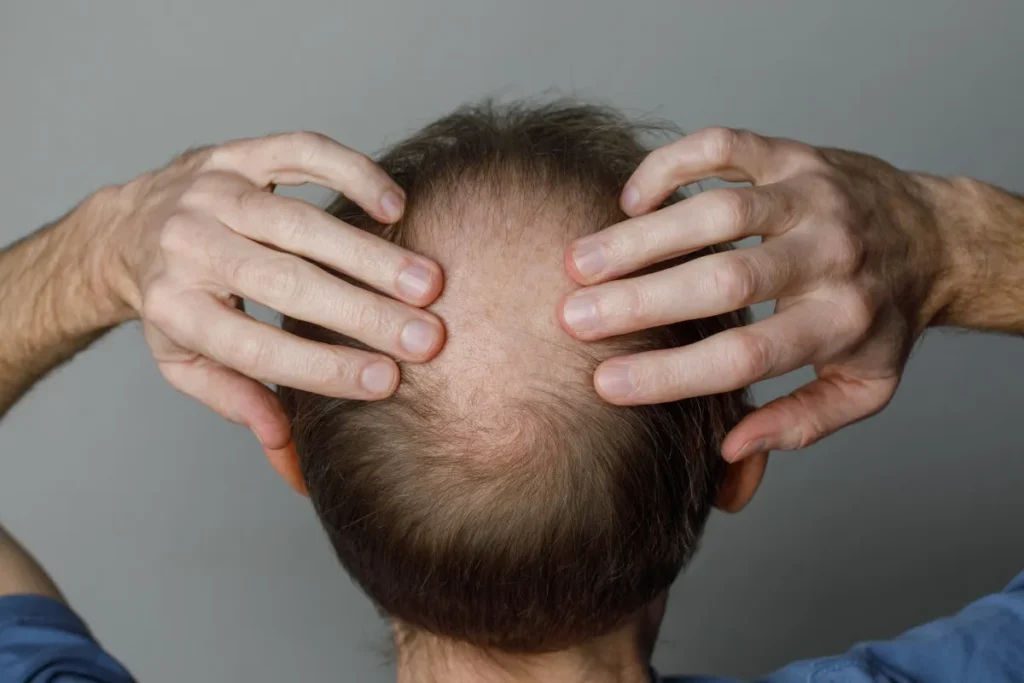
Understanding Alopecia: Types and Causes
Alopecia, derived from the Greek word “alopex” meaning fox, historically referred to the fox‑like appearance of a bald scalp. Modern medicine categorizes alopecia into several primary forms:
- Alopecia Areata: An autoimmune condition causing patchy hair loss, often on the scalp, beard, or eyebrows.
- Androgenetic Alopecia (Male or Female Pattern Baldness): Hormone‑driven thinning that follows predictable patterns.
- Telogen Effluvium: A temporary shedding triggered by stress, illness, or hormonal changes.
- Scarring (Cicatricial) Alopecia: Permanent loss due to inflammation that destroys hair follicles.
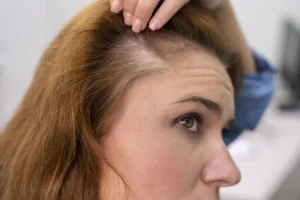
Each type has unique triggers. For instance, androgenetic alopecia is linked to dihydrotestosterone (DHT) sensitivity, while alopecia areata involves T‑cell attack on hair follicles. Lifestyle factors such as poor nutrition, chronic stress, and certain medications can exacerbate telogen effluvium, leading to sudden thinning.
Understanding the specific type is crucial because treatment pathways differ dramatically. While topical minoxidil may benefit early androgenetic alopecia, autoimmune alopecia often requires corticosteroids or targeted immunotherapy.
How the Medical Term Reflects Underlying Mechanisms
The precise medical term for alopecia does more than label a condition; it conveys the underlying pathophysiology. For example, the term “androgenetic alopecia” combines “androgen” (the hormone class) with “genetic” (inherited susceptibility), indicating that both hormonal and hereditary factors drive follicular miniaturization.
In alopecia areata, the word “areata” signals the patchy nature of the loss, while “alopecia” itself signals follicular involvement. This distinction guides clinicians toward immunomodulatory therapies rather than solely cosmetic solutions.
Other descriptors such as “telogen” and “anagen” refer to the hair growth cycle phases. “Telogen effluvium” literally means “shedding during the resting phase,” helping physicians identify stress‑related triggers and recommend appropriate recovery periods.
| Medical Term | Key Mechanism | Typical Treatment Focus |
|---|---|---|
| Androgenetic Alopecia | DHT‑induced follicle miniaturization | Finasteride, Minoxidil, Hair Transplant |
| Alopecia Areata | Autoimmune attack on follicles | Corticosteroids, JAK inhibitors |
| Telogen Effluvium | Premature shift to resting phase | Stress management, nutritional support |
By decoding the terminology, patients can better understand why a particular therapy is recommended and what outcomes to expect.
Diagnosing Hair Loss: Clinical Tests and What to Expect
Accurate diagnosis begins with a thorough history and physical examination. Dermatologists use the medical term for alopecia to categorize findings and decide on further testing.
Common diagnostic tools include:
- Trichoscopy: A dermatoscopic examination that reveals follicular patterns, miniaturization, and inflammation.
- Scalp Biopsy: Removes a small tissue sample to differentiate scarring from non‑scarring alopecia.
- Blood Tests: Assess thyroid function, iron levels, and autoimmune markers that may contribute to hair loss.
- Hormone Panels: Evaluate DHT, testosterone, and estrogen levels, especially in androgenetic cases.
During the consultation, clinicians will also ask about family history, recent illnesses, medication use, and lifestyle factors. This holistic approach ensures that the chosen terminology accurately reflects the root cause, which is essential for effective treatment planning.
Patients often wonder how long a diagnosis takes. In most cases, a combination of visual assessment and trichoscopy can provide a provisional diagnosis within a single visit. More complex cases, such as cicatricial alopecia, may require biopsy results, extending the timeline to 1–2 weeks.
Treatment Options: From Medication to Transplant
Once the appropriate medical term for alopecia is established, treatment pathways become clearer. Options range from pharmacologic interventions to surgical restoration.
Medical therapies include:
- Minoxidil (topical) – stimulates blood flow and prolongs the anagen phase.
- Finasteride (oral) – blocks the conversion of testosterone to DHT, slowing follicular miniaturization.
- Corticosteroid injections – reduce inflammation in alopecia areata patches.
- JAK inhibitors – emerging oral agents for resistant autoimmune alopecia.
For patients with advanced androgenetic alopecia or scarring alopecia where follicles are permanently damaged, surgical solutions offer lasting results. The two most widely used techniques are:
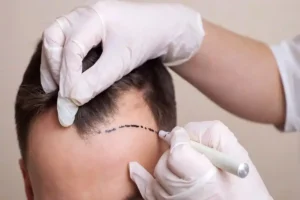
- Follicular Unit Extraction (FUE): Individual follicles are harvested and implanted in the thinning area, leaving minimal scarring.
- Direct Hair Implantation (DHI): Similar to FUE but utilizes a pen‑like device for precise placement, often yielding higher graft survival.
Gold City Hair specializes in both FUE and DHI, providing personalized treatment plans that consider donor area quality, hair density goals, and recovery timelines.
| Treatment | Ideal For | Typical Recovery |
|---|---|---|
| Minoxidil | Early‑stage androgenetic alopecia | Continuous use; no downtime |
| Finasteride | Male pattern baldness | Continuous use; monitor side effects |
| FUE Transplant | Moderate to advanced hair loss | 7‑10 days for minor swelling |
| DHI Transplant | Patients seeking high‑precision placement | 5‑7 days for mild redness |
Choosing the right approach depends on the specific medical term assigned to your condition, your aesthetic goals, and your tolerance for procedural intervention.
Choosing the Right Hair Restoration Clinic
When the medical term for alopecia points toward a surgical solution, selecting a reputable clinic becomes a critical decision. Key factors to evaluate include:
- Board‑certified surgeons with extensive experience in FUE and DHI.
- Transparent pricing and detailed treatment plans.
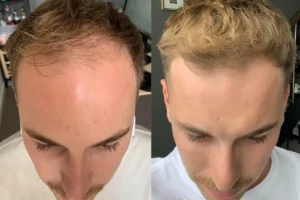
- Patient testimonials and before‑after galleries that reflect realistic outcomes.
- Post‑procedure support, including follow‑up visits and medication guidance.
International patients often travel to Turkey for hair restoration due to world‑class expertise and cost‑effective care. Gold City Hair, established in 2017, combines cutting‑edge technology with a personalized approach, ensuring each patient receives a treatment plan tailored to their specific alopecia diagnosis.
Before committing, request a comprehensive consultation that includes a trichoscopic assessment, discussion of the precise medical terminology for your condition, and a clear outline of expected results.
Why Choose Gold City Hair
Gold City Hair has been delivering safe, effective hair restoration in Turkey since 2017. Our team of board‑certified surgeons specializes in FUE, DHI, and eyebrow/beard transplants, offering a personalized experience from the first consultation to post‑procedure care. We prioritize transparent communication, ensuring you understand the medical term for your alopecia and the best treatment path. With state‑of‑the‑art facilities and a commitment to natural‑looking results, Gold City Hair helps you regain confidence and a fuller head of hair.
Ready to take the next step toward restoring your hair? Contact Gold City Hair today for a free, no‑obligation consultation and discover a treatment plan tailored to your specific alopecia diagnosis.
Experience the confidence of a natural‑looking result—schedule your appointment now.
FAQ
What is the medical term for alopecia and why is it important?
The medical term for alopecia is the precise clinical label used to describe hair loss conditions, helping patients and doctors communicate clearly.
What are the main types of alopecia and their typical causes?
The primary types are androgenetic alopecia, alopecia areata, telogen effluvium, and scarring (cicatricial) alopecia, each driven by different mechanisms.
How is alopecia diagnosed by clinicians?
Diagnosis combines medical history, physical exam, trichoscopy, scalp biopsy, and targeted blood or hormone tests.
What treatment options are available for different types of alopecia?
Treatments range from topical minoxidil and oral finasteride to corticosteroids, JAK inhibitors, and surgical hair transplantation.
How do FUE and DHI hair transplant techniques differ?
FUE extracts individual follicles for implantation, while DHI uses a pen‑like device for direct placement, offering higher precision.
What should I consider when choosing a hair restoration clinic?
Key factors include surgeon credentials, experience with FUE/DHI, transparent pricing, patient testimonials, and comprehensive after‑care.