When comparing platelet rich plasma vs stem cell treatments, many patients wonder which option offers the best results for regenerative health. Both therapies aim to stimulate the body’s natural healing processes, but they differ in source material, mechanism, and typical applications. In recent years, demand for these procedures has surged, with clinics worldwide reporting a steady rise in inquiries.
In this article we will explore the science behind each method, examine their effectiveness for common concerns such as joint pain, hair loss, and skin rejuvenation, and provide practical guidance on safety, cost, and choosing the right approach for your goals. Whether you are considering a stem cell injection for arthritis or a PRP session for facial rejuvenation, understanding the nuances will help you make an informed decision.
By the end of this guide you will have a clear picture of how platelet rich plasma vs stem cell therapies compare, what to expect during treatment, and how to align the choice with your personal health objectives.
What Is Platelet‑Rich Plasma (PRP) and How Does It Work?
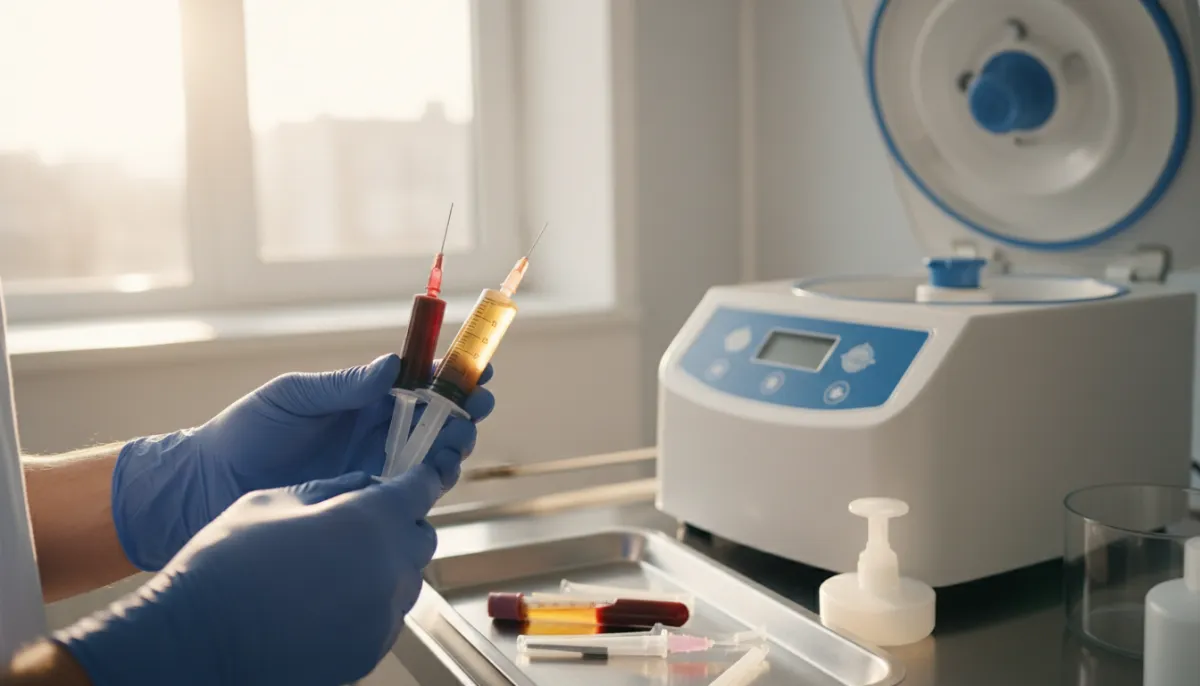
Platelet‑rich plasma, commonly abbreviated as PRP, is derived from a small sample of your own blood. The blood is centrifuged to concentrate platelets, which contain growth factors that promote tissue repair. The resulting plasma is then injected into the target area to accelerate healing.
Key steps in a PRP procedure include:
- Blood draw (typically 10–60 ml depending on the treatment area).
- Centrifugation to separate platelets from red and white blood cells.
- Extraction of the platelet‑rich layer.
- Activation of the plasma (sometimes with calcium chloride) to release growth factors.
- Injection into the affected tissue under sterile conditions.
PRP is widely used for:
- Joint pain relief (especially knee osteoarthritis).
- Hair restoration and scalp health.
- Facial skin rejuvenation (reducing fine lines and improving texture).
- Accelerated recovery after sports injuries.
| Aspect | Platelet‑Rich Plasma (PRP) | Stem Cell Therapy |
|---|---|---|
| Source Material | Autologous blood platelets | Autologous or allogeneic stem cells (bone marrow, adipose, umbilical) |
| Primary Mechanism | Growth factor release to stimulate existing cells | Cellular differentiation and tissue regeneration |
| Typical Cost (US) | $300–$800 per session | $2,000–$6,000 per treatment cycle |
| Regulatory Status | Generally considered minimally manipulated; widely accepted | Varies by region; many procedures are investigational |
Understanding how PRP works provides a foundation for comparing it directly with stem cell options, especially when evaluating efficacy for specific conditions.
Stem Cell Therapy Explained: Types and Applications
Stem cell therapy utilizes undifferentiated cells capable of developing into various tissue types. These cells can be harvested from bone marrow, adipose tissue, or peripheral blood, and then re‑introduced to the body to promote regeneration.
There are two primary categories:
- Autologous stem cell therapy – cells are taken from the patient’s own body, minimizing rejection risk.
- Allogeneic stem cell therapy – donor cells are used, often in a more standardized product.
Common applications include:
- Stem cell injection for osteoarthritis of the knee or hip.
- Stem cell procedures for cartilage repair.
- Regenerative treatments for chronic tendinopathies.
- Emerging use in hair restoration (stem cell vs PRP for hair loss).
- Research‑driven protocols for facial rejuvenation.
While the science is promising, it is essential to recognize that many stem cell treatments remain under clinical investigation. The stem cell procedure for arthritis often involves harvesting adipose‑derived stem cells, processing them, and injecting them into the joint space under ultrasound guidance.
Patients frequently ask, “how does PRP work compared to stem cells?” The answer lies in the cellular level: PRP activates existing cells, whereas stem cells can become new cells, potentially offering deeper tissue remodeling.
Comparing Efficacy: PRP vs Stem Cell for Common Conditions
When evaluating platelet rich plasma vs stem cell outcomes, the condition being treated plays a decisive role. Below is a brief overview of how each therapy performs across three popular indications.
Joint Pain and Osteoarthritis
PRP delivers concentrated growth factors that can reduce inflammation and improve joint lubrication. Clinical studies show modest pain relief lasting 6–12 months. Stem cell injections aim to regenerate cartilage, with some trials reporting longer‑term improvements but higher variability in results.
Hair Loss
Both PRP and stem cell‑based approaches stimulate hair follicles. PRP is well‑established for androgenic alopecia, offering visible thickening after 3–4 sessions. Stem cell therapy, still experimental, may provide greater follicular regeneration but often at a higher cost.
Skin Rejuvenation
For facial rejuvenation, PRP improves texture and elasticity through collagen stimulation. Stem cell‑derived treatments promise deeper dermal remodeling, yet regulatory constraints limit widespread availability.
| Condition | PRP Benefits | Stem Cell Benefits | Typical Recovery |
|---|---|---|---|
| Knee Osteoarthritis | Reduced pain, improved mobility (6‑12 months) | Potential cartilage regeneration, longer durability | 1–2 days mild soreness |
| Androgenic Alopecia | Increased hair density, minimal downtime | Possible new follicle formation, higher cost | 2–3 days scalp sensitivity |
| Facial Rejuvenation | Improved skin tone, collagen boost | Deeper dermal remodeling (research phase) | 3–5 days mild swelling |
Overall, the decision often hinges on budget, desired longevity of results, and the specific tissue targeted. While PRP is widely available and generally affordable, stem cell therapy may offer superior regenerative potential for certain patients willing to invest in cutting‑edge care.
Safety, Regulation, and Cost Considerations
Both PRP and stem cell treatments are considered minimally invasive, yet they differ significantly in regulatory oversight. PRP is classified as a minimally manipulated autologous product, which means it is largely exempt from extensive FDA review in the United States. Consequently, most clinics can offer PRP without lengthy approval processes.
Stem cell therapies, especially those involving more than minimal manipulation, often fall under investigational status. The FDA has issued guidance that many “stem cell” clinics may be operating without proper clearance, making it crucial to verify that a provider follows approved protocols. Patients should ask whether the procedure is part of a clinical trial or an FDA‑registered study.
Safety profiles are generally favorable for both modalities when performed by qualified professionals. Common side effects include temporary bruising, swelling, or mild discomfort at the injection site. Serious complications are rare but can include infection or, in the case of stem cell therapy, unintended tissue growth if cells are not properly processed.
Cost is a major differentiator. A typical PRP session ranges from $300 to $800, and multiple sessions are often recommended. Stem cell treatments can range from $2,000 to $6,000 per cycle, reflecting the complexity of cell harvesting, processing, and regulatory compliance. Insurance coverage is uncommon for either, though some experimental stem cell protocols may qualify for clinical trial funding.
In summary, patients should weigh the proven safety and accessibility of PRP against the potentially higher regenerative capacity—and higher price—of stem cell therapy, while also confirming the legal status of the chosen provider.
Choosing the Right Treatment for Your Goals
Deciding between platelet rich plasma vs stem cell therapy begins with a clear understanding of your personal health objectives, budget, and tolerance for uncertainty.
- Define the target area. For joint pain, PRP may provide quick relief; for advanced cartilage loss, stem cells could be more appropriate.
- Assess timeline expectations. PRP results often appear within weeks to months, while stem cell benefits may take longer to manifest.
- Consider financial investment. Evaluate whether you are comfortable with the higher upfront cost of stem cell therapy.
- Verify provider credentials. Ensure the clinic follows strict aseptic protocols, has board‑certified physicians, and can present peer‑reviewed outcomes.
- Review scientific evidence. Look for published studies, not just marketing claims, especially for newer stem cell applications.
Many patients opt for a combined approach—starting with PRP to gauge response and then progressing to stem cell therapy if needed. Consulting a qualified specialist who can tailor a treatment plan based on your unique anatomy and medical history is essential for achieving optimal results.
Why Choose Gold City Hair
Gold City Hair brings a wealth of experience in aesthetic medicine, extending its expertise beyond hair restoration to cutting‑edge regenerative therapies. Since 2017, our clinic in Turkey has prioritized personalized care, transparent communication, and evidence‑based treatments. Our team of board‑certified physicians follows strict safety protocols, ensuring that both PRP and stem cell procedures meet international standards. By choosing Gold City Hair, you benefit from a trusted provider that combines advanced technology with a patient‑first philosophy, helping you achieve lasting confidence and well‑being.
Ready to explore whether PRP or stem cell therapy is right for you? Contact Gold City Hair today to schedule a personalized consultation and take the first step toward renewed health and confidence.
FAQ
What is the difference between PRP and stem cell therapy?
PRP uses a concentration of a patient’s own platelets to release growth factors, while stem cell therapy introduces undifferentiated cells that can become new tissue.
Which treatment is more effective for joint pain and osteoarthritis?
PRP provides short‑term pain relief, while stem cell injections may promote longer‑term cartilage regeneration.
How does PRP work for hair loss?
PRP injects growth‑factor‑rich plasma into the scalp to stimulate dormant hair follicles and increase density.
Are stem cell therapies safe and regulated?
Safety is generally good when performed by qualified clinicians, but regulatory oversight varies by region and many treatments remain investigational.
What are the typical costs of PRP and stem cell treatments?
PRP sessions cost about $300–$800 each, while stem cell therapy ranges from $2,000 to $6,000 per treatment cycle.
How long does it take to see results from PRP versus stem cell therapy?
PRP results often appear within weeks to a few months; stem cell benefits may take several months to become evident.