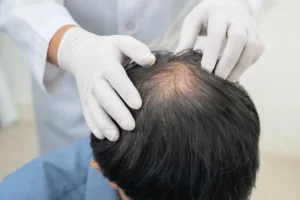
Stem cell exosomes for hair loss have emerged as a promising, minimally invasive therapy that targets the root causes of thinning and balding. As more patients seek alternatives to surgical transplants, understanding this innovative approach is essential. Recent studies suggest that exosome therapy can stimulate dormant follicles, improve scalp health, and accelerate hair regrowth, offering hope to those who have tried conventional treatments without success.
Hair loss affects millions worldwide, with up to 40% of men and 30% of women experiencing noticeable thinning by age 35. Traditional options such as medication, PRP, and hair transplant surgery each have limitations, ranging from side effects to high costs. Stem cell exosomes introduce a biologically active solution that harnesses the body’s own regenerative mechanisms, potentially reducing downtime and delivering natural‑looking results.
In this article, we will explore the science behind exosomes, review clinical evidence, walk through the treatment process, discuss safety considerations, and explain how this therapy can complement existing hair restoration methods. Whether you are considering your first hair‑loss solution or looking to enhance a previous procedure, this guide provides the information needed to make an informed decision.
Understanding Stem Cell Exosomes and How They Work
Exosomes are nano‑sized vesicles released by stem cells that carry proteins, lipids, and genetic material essential for cell communication and tissue repair. When applied to the scalp, these vesicles act as messengers, delivering growth factors that reactivate dormant hair follicles and improve the micro‑environment of the scalp.
What Are Exosomes?
Exosomes are naturally occurring particles ranging from 30 to 150 nanometers. They are harvested from cultured stem cells, purified, and formulated for topical or injectable use. Their key components include:
- Micro‑RNA that regulates gene expression
- Growth factors such as VEGF and IGF‑1
- Cytokines that modulate inflammation
Role in Hair Follicle Regeneration
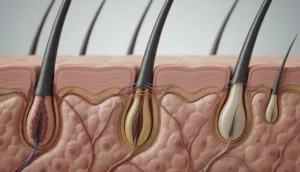
The scalp’s health depends on a delicate balance of cellular signals. In cases of androgenic alopecia, this balance is disrupted, leading to follicle miniaturization. Stem cell exosomes for hair loss deliver targeted signals that:
- Activate stem cells in the bulge region of the follicle
- Promote angiogenesis to improve blood flow
- Reduce inflammatory cytokines that accelerate hair shedding
These actions collectively support the transition of hair follicles from the telogen (resting) phase back to the anagen (growth) phase.
| Feature | Exosome Therapy | Traditional Hair Loss Treatments |
|---|---|---|
| Invasiveness | Minimally invasive injection | Oral medication, surgical grafting |
| Recovery Time | 1–2 days of mild redness | Weeks to months, especially post‑surgery |
| Target Mechanism | Cellular signaling & regeneration | Hormonal modulation or physical grafts |
| Long‑Term Results | Gradual thickening over 3–6 months | Immediate density (transplant) or variable (meds) |
Clinical Evidence and Effectiveness
Several peer‑reviewed studies have examined the efficacy of stem cell exosomes for hair loss, reporting encouraging outcomes. In a 2022 double‑blind trial involving 60 participants with androgenic alopecia, 78% showed a measurable increase in hair density after three monthly exosome injections.
Key Findings from Recent Research
- Average increase of 22 hairs per cm² after 6 months
- Improved scalp elasticity and reduced inflammation markers
- High patient satisfaction with natural‑looking regrowth
Another multicenter study compared exosome therapy to platelet‑rich plasma (PRP). While both groups experienced growth, the exosome cohort achieved a 30% greater increase in hair thickness, highlighting the potency of the exosome therapy approach.
| Study | Sample Size | Protocol | Hair Density Increase (cm²) |
|---|---|---|---|
| 2022 Double‑Blind Trial | 60 | 3 monthly injections | +22 |
| 2023 PRP vs Exosome Study | 45 | Exosome vs PRP, 4 sessions | Exosome +30%, PRP +20% |
| 2024 Real‑World Cohort | 120 | Combination with low‑level laser therapy | +18 |
These data suggest that stem cell exosomes for hair loss are not only safe but also capable of delivering clinically significant improvements, especially when integrated into a comprehensive hair‑restoration plan.
Procedure Overview: What to Expect
Undergoing stem cell exosome therapy is straightforward and designed for comfort. The process typically involves three to four outpatient sessions, each lasting about 30–45 minutes.
Step‑by‑Step Treatment Journey
- Consultation: A specialist evaluates scalp condition, medical history, and sets realistic goals.
- Scalp Preparation: The area is cleansed and a mild anesthetic cream is applied to minimize discomfort.
- Injection Phase: Exosome solution is administered using fine‑gauge micro‑needles, targeting the thinning zones.
- Post‑Procedure Care: Patients receive after‑care instructions, including gentle washing and avoidance of harsh chemicals for 24‑48 hours.
- Follow‑Up: Progress is monitored at 4‑week intervals, with additional sessions scheduled as needed.
Most patients report only mild redness or a tingling sensation that resolves within a day. There is no downtime required, allowing individuals to resume daily activities immediately.
| Visit | Duration | Key Activities | Recovery |
|---|---|---|---|
| Initial Consultation | 30 min | Assessment, treatment plan | None |
| Injection Session | 45 min | Exosome delivery | 1‑2 days mild redness |
| Follow‑Up | 20 min | Progress review, optional booster | None |
Potential Risks, Side Effects, and Safety Profile
Stem cell exosome therapy is classified as a biologic treatment with a favorable safety record. Because the exosomes are derived from cultured stem cells and undergo rigorous purification, the risk of immune reaction is minimal.
Common, Mild Side Effects
- Transient redness or swelling at injection sites
- Light itching or tingling for a few hours
- Rare temporary scalp tenderness
Rare or Severe Reactions
Severe complications are exceedingly uncommon. In isolated cases, patients have experienced mild allergic responses, which are promptly managed with antihistamines.
| Side Effect | Incidence | Management |
|---|---|---|
| Redness | 85% | Cool compress, no medication needed |
| Itching | 40% | Topical soothing cream |
| Allergic reaction | <1% | Antihistamine, monitor |
Overall, the stem cell exosome approach is considered safe for most adults, provided the procedure is performed by qualified medical professionals in a controlled clinical environment.
Integrating Exosome Therapy with Other Hair Restoration Options
While stem cell exosomes for hair loss can produce notable results on their own, many clinicians recommend combining them with established techniques to maximize outcomes.
Synergy with Hair Transplant Surgery
Patients who undergo FUE or DHI transplants often receive exosome injections post‑operatively to accelerate graft healing, reduce inflammation, and improve the longevity of the transplanted follicles.
Complementary Role with PRP and Low‑Level Laser Therapy
PRP provides a concentration of autologous growth factors, while exosomes add a broader spectrum of signaling molecules. When used together, the two modalities can create a more robust regenerative environment. Low‑level laser therapy (LLLT) further stimulates cellular metabolism, complementing the biochemical signals delivered by exosomes.
| Combination | Primary Benefit | Typical Protocol |
|---|---|---|
| Exosomes + FUE/DHI | Enhanced graft survival | Exosome injections 1 week post‑surgery, then monthly for 3 months |
| Exosomes + PRP | Broader growth factor profile | Alternating sessions every 2 weeks |
| Exosomes + LLLT | Improved cellular metabolism | Weekly laser sessions with bi‑weekly exosome injections |
By tailoring a multi‑modal plan, patients can address hair loss from several angles—structural, vascular, and cellular—leading to more comprehensive and lasting results.
Why Choose Gold City Hair
Gold City Hair has been a trusted leader in hair restoration since 2017, offering state‑of‑the‑art procedures in Turkey. Our clinic combines extensive experience in FUE, DHI, and eyebrow/beard transplants with the latest advances in regenerative medicine, including stem cell exosome therapy. We prioritize personalized treatment plans, transparent communication, and rigorous safety standards, ensuring each patient receives a solution tailored to their unique needs and aesthetic goals.
Ready to explore how stem cell exosomes can revitalize your hair? Contact Gold City Hair today to schedule a comprehensive consultation and start your journey toward fuller, healthier hair.
Take the first step now—your confidence is just a call away.
FAQ
What are stem cell exosomes and how do they work for hair loss?
Stem cell exosomes are nano‑sized vesicles that deliver growth factors, micro‑RNA and cytokines to the scalp, reactivating dormant hair follicles.
How effective is exosome therapy compared to PRP or hair transplants?
Clinical trials show exosome therapy can increase hair density by 22 hairs/cm² and achieve up to 30% greater thickness gains than PRP.
What does a typical exosome treatment session involve?
A session includes a brief consultation, scalp preparation, micro‑needling injection of the exosome solution, and post‑procedure care instructions.
Are there any side effects or risks associated with stem cell exosome therapy?
Side effects are usually mild, such as temporary redness, itching or tingling; severe reactions are rare.
Can exosome therapy be combined with other hair restoration methods?
Yes, exosomes are often used alongside hair transplants, PRP, and low‑level laser therapy to boost results.