Experiencing sudden hair loss can be alarming, but telogen effluvium remedies offer a clear path to recovery. This condition, characterized by diffuse shedding, often follows stress, illness, or hormonal shifts, and understanding its triggers is the first step toward effective treatment. According to dermatology studies, up to 30% of women report noticeable thinning after a major life event, highlighting how common this issue truly is.
In this article we will explore the underlying causes of telogen effluvium, review lifestyle adjustments, examine proven hair growth products, and discuss when medical interventions—including hair transplant options—become appropriate. Whether you are seeking natural solutions or professional care, the information here will help you make informed decisions and regain confidence.
We’ll also introduce practical tools for tracking progress and preventing future episodes, ensuring that the remedies you choose support long‑term scalp health.
Understanding Telogen Effluvium: Causes and Symptoms
Telogen effluvium is a temporary form of hair loss that occurs when a larger-than‑usual number of hair follicles enter the resting (telogen) phase. Unlike pattern baldness, the shedding is usually diffuse and reversible once the underlying trigger is addressed.
What Triggers the Condition?
Common catalysts include:
- Severe physical or emotional stress
- Rapid weight loss or restrictive diets
- Hormonal changes (post‑partum, thyroid disorders)
- Medications such as anticoagulants or retinoids
- Illnesses with high fever or chronic infections
How to Identify Telogen Effluvium
Key signs to watch for are:
- Increased shedding when washing or brushing
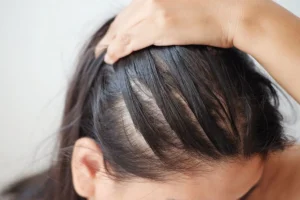
- Uniform thinning across the scalp rather than specific patches
- Noticeable hair loss 2–3 months after a stressful event
Below is a quick comparison of telogen effluvium with other common hair‑loss types:
| Feature | Telogen Effluvium | Androgenetic Alopecia | Alopecia Areata |
|---|---|---|---|
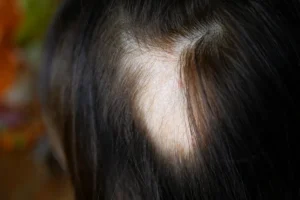
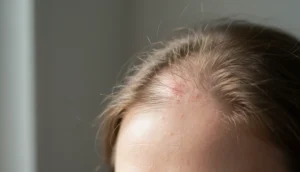
| Pattern | Diffuse shedding | Gradual thinning at crown and temples | Round patches |
| Onset | 2–3 months after trigger | Progressive over years | Sudden patches |
| Reversibility | Often reversible | Usually permanent without treatment | Variable |
Recognizing these patterns helps you choose the most appropriate telogen effluvium remedies and avoid unnecessary treatments.

Lifestyle Adjustments for Managing Telogen Effluvium
Many telogen effluvium remedies begin with simple, everyday changes that reduce stress on the hair cycle and support overall health.
Nutrition and Supplements
Balanced nutrition is essential for hair regrowth. Focus on foods rich in:
- Protein – lean meats, legumes, nuts
- Iron – spinach, lentils, red meat
- Zinc – pumpkin seeds, oysters
- Omega‑3 fatty acids – salmon, chia seeds
Consider supplementing with a high‑quality hair growth supplement that includes biotin, vitamin D, and iron, especially if blood tests reveal deficiencies.
Stress Management Techniques
Since stress is a leading trigger, incorporating relaxation practices can dramatically improve outcomes. Effective methods include:
- Mindfulness meditation (10‑15 minutes daily)
- Regular aerobic exercise (30 minutes, 3–5 times per week)
- Adequate sleep (7–9 hours per night)
Scalp Care Practices
Gentle scalp care minimizes mechanical damage:
- Use a mild, sulfate‑free shampoo
- Avoid tight hairstyles that pull on the hair
- Limit heat styling and chemical treatments
Implementing these adjustments creates a supportive environment for hair follicles to re‑enter the growth (anagen) phase, enhancing the effectiveness of other telogen effluvium remedies.
Effective Hair Growth Products and Supplements
When lifestyle changes alone are insufficient, targeted hair growth products can accelerate recovery. Below is a curated list of clinically supported options.
| Product | Key Ingredients | How It Works | Typical Use |
|---|---|---|---|
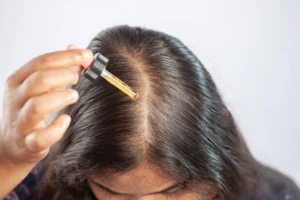
| Minoxidil 5% Solution | Minoxidil | Vasodilates scalp vessels, prolongs anagen phase | Apply twice daily to dry scalp |
| Biotin Complex Capsules | Biotin, Vitamin B12, Folic Acid | Supports keratin production and metabolic health | One capsule daily with food |
| Iron‑Rich Supplement | Ferrous Gluconate, Vitamin C | Corrects iron deficiency, improves oxygen delivery to follicles | One tablet daily, preferably with meals |
| Topical Peptide Serum | Peptide‑K, Copper Peptides | Stimulates dermal papilla activity | Apply nightly to clean scalp |
While minoxidil is the most widely studied hair loss treatment, combining it with nutritional supplements often yields better results for telogen effluvium patients. Always consult a dermatologist before starting any new regimen, especially if you have underlying health conditions.
Medical Treatments and When to Consider a Hair Transplant
For individuals whose shedding persists beyond six months despite diligent telogen effluvium remedies, medical interventions may be warranted. Options range from minimally invasive procedures to surgical solutions.
Platelet‑Rich Plasma (PRP) Therapy
PRP involves drawing a small amount of the patient’s blood, concentrating platelets, and injecting the serum into the scalp. Growth factors in the plasma stimulate follicular activity and can shorten the telogen phase.
Low‑Level Laser Therapy (LLLT)
LLLT devices emit red light wavelengths that improve cellular metabolism in hair follicles. Clinical trials report a 30% increase in hair density after 12 weeks of regular use.
When to Explore Hair Transplant Options
If telogen effluvium has transitioned into permanent thinning, or if you have concurrent androgenetic alopecia, a hair transplant may provide lasting results. Gold City Hair specializes in:
- Follicular Unit Extraction (FUE)
- Direct Hair Implantation (DHI)
- Eyebrow and Beard Transplants
These techniques relocate healthy donor follicles to balding areas, offering a natural appearance with minimal scarring.
| Treatment | Invasiveness | Recovery Time | Typical Cost (USD) |
|---|---|---|---|
| PRP Therapy | Low | 1–2 days | 300–600 per session |
| LLLT | Low | None | 150–400 for device |
| FUE Hair Transplant | Moderate | 7–10 days | 2,500–7,000 (depends on graft count) |
| DHI Hair Transplant | Moderate | 7–10 days | 3,000–8,500 |
Choosing the right approach depends on the severity of shedding, donor hair availability, and personal goals. A consultation with a qualified hair specialist will determine the optimal plan.
Long‑Term Prevention Strategies and Monitoring Progress
Maintaining the gains achieved through telogen effluvium remedies requires ongoing attention to scalp health and lifestyle factors.
Regular Scalp Assessments
Track hair density using a simple weekly photo log or a handheld densitometer. Note any sudden increase in shedding and correlate it with recent stressors, dietary changes, or medication adjustments.
Seasonal Care Adjustments
Hair can be more vulnerable during extreme weather. In winter, protect the scalp with a soft hat and moisturize with a lightweight conditioner. In summer, use a UV‑protective spray to shield follicles from sun damage.
Continued Use of Supportive Products
Even after recovery, a maintenance regimen of gentle shampoo, periodic minoxidil application, and a balanced diet helps prevent recurrence. For those with a genetic predisposition, ongoing low‑level laser therapy or periodic PRP sessions can keep the follicles in an active growth state.
By integrating these habits into daily life, you create a resilient environment that minimizes the risk of future telogen effluvium episodes.
Why Choose Gold City Hair
Gold City Hair has been delivering personalized hair restoration solutions in Turkey since 2017. Our team combines expertise in FUE, DHI, and eyebrow/beard transplants with a transparent, patient‑focused approach. We tailor each treatment plan to address the unique cause of your hair loss, ensuring that every remedy—from lifestyle advice to surgical intervention—is aligned with your goals and medical history.
Ready to stop the shedding and start regaining confidence? Contact Gold City Hair today for a free, no‑obligation consultation and discover the most effective telogen effluvium remedies for you.
Take the first step toward healthier hair—schedule your appointment now.
FAQ
What is telogen effluvium and how does it cause hair shedding?
Telogen effluvium is a temporary form of hair loss where many follicles enter the resting (telogen) phase, leading to diffuse shedding.
How long does it take for hair to regrow after telogen effluvium?
Hair typically begins to regrow within 3–6 months after the trigger is removed, with full recovery taking up to a year.
Which lifestyle changes are most effective for treating telogen effluvium?
Balanced nutrition, stress reduction, and gentle scalp care are the core lifestyle adjustments.
Can minoxidil help with telogen effluvium?
Yes, minoxidil can speed up regrowth by prolonging the anagen phase, especially when combined with other remedies.
When should I consider medical treatments like PRP or a hair transplant?
Consider medical options if shedding persists beyond six months despite lifestyle changes and supplements.
How can I monitor my progress and prevent future shedding?
Track hair density with weekly photos or a densitometer and adjust care seasonally.