Balding at a young age can feel like an unexpected challenge, especially when it appears in your twenties or early thirties. This article explains the underlying reasons, early warning signs, and the most effective ways to address hair loss before it progresses. According to recent dermatological studies, up to 25% of men experience noticeable thinning before the age of 30, and a growing number of women report similar concerns.
We’ll explore genetic factors such as androgenetic alopecia, lifestyle influences, medical conditions, and the latest hair restoration technologies. By understanding the root causes, you can make informed decisions that protect your scalp health and boost confidence.
Whether you’re looking for preventive measures, non‑surgical treatments, or a permanent solution like a hair transplant, the information below will guide you through each option with clarity and realism.
Common Causes of Early-Onset Hair Loss
Identifying why balding at a young age starts is the first step toward effective management. While genetics play a dominant role, several other factors can accelerate hair thinning.
- Androgenetic alopecia: Often called male or female pattern baldness, this hereditary condition is driven by dihydrotestosterone (DHT) affecting hair follicles.
- Hormonal imbalances: Thyroid disorders, polycystic ovary syndrome (PCOS), and fluctuations in estrogen or testosterone can trigger shedding.
- Autoimmune conditions: Alopecia areata causes sudden, patchy hair loss when the immune system attacks hair follicles.
- Stress and lifestyle: Chronic stress, poor nutrition, and lack of sleep disrupt the hair growth cycle.
- Medication side effects: Certain antidepressants, blood thinners, and chemotherapy agents can lead to temporary or permanent loss.
- Environmental factors: Pollution, harsh hair care products, and frequent heat styling damage the scalp and hair shaft.
Understanding these contributors helps you target the right treatment. For instance, if DHT is the primary culprit, a topical finasteride or natural DHT blockers may slow progression, while autoimmune-related loss might require corticosteroid therapy.

Recognizing the First Signs of Balding in Your 20s and 30s
Early detection gives you a better chance to intervene before significant thinning occurs. Look for subtle changes that often go unnoticed.
| Sign | Description | Typical Age of Appearance |
|---|---|---|
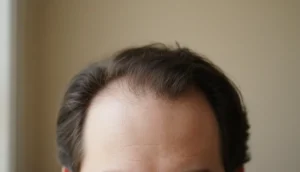
| Receding hairline | Gradual retreat of the frontal hairline, forming an “M” shape. | 20‑28 |
| Thinning crown | Noticeable reduction of density on the top of the head. | 22‑30 |
| Increased shedding | More hair on pillow or in the shower than usual. | 18‑25 |
| Miniaturized hairs | Fine, short hairs replacing thicker strands. | 21‑29 |
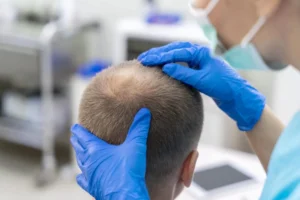
Other warning signs include a widening part line and a feeling of scalp tightness. If you notice any of these symptoms, schedule a consultation with a dermatologist or a qualified hair restoration specialist. Early professional assessment can differentiate between temporary shedding and progressive alopecia.
Medical and Lifestyle Strategies to Slow Down Hair Loss
Before considering surgical options, many patients benefit from a combination of medical treatments and lifestyle adjustments. These approaches aim to preserve existing follicles and promote healthier hair growth.
- Topical minoxidil: An over‑the‑counter solution that widens blood vessels, improving nutrient delivery to follicles.
- Prescription oral finasteride: Reduces DHT production, slowing androgen‑driven loss.
- Platelet‑rich plasma (PRP) therapy: Uses your own blood platelets to stimulate regeneration.
- Nutrition: Adequate protein, iron, zinc, and vitamins A, C, D, and E are essential for hair health.
- Stress management: Practices such as meditation, yoga, and regular exercise lower cortisol levels that can trigger shedding.
- Avoid harsh styling: Limit heat tools, tight hairstyles, and chemical treatments that cause traction alopecia.
Clinical studies show that consistent use of minoxidil and finasteride can halt progression in up to 80% of men under 35. Combining these medications with PRP sessions often yields faster visible improvement.
Advanced Hair Restoration Options for Young Adults
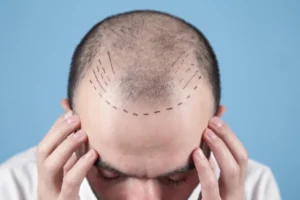
When conservative measures are insufficient, modern hair transplantation offers a permanent solution that looks natural and requires minimal downtime.
- Follicular Unit Extraction (FUE): Individual follicles are harvested and implanted one by one, leaving virtually invisible scars.
- Direct Hair Implantation (DHI): A specialized tool places follicles at precise angles and depths for optimal growth.
- Robotic‑assisted FUE: Enhances precision and reduces procedure time, ideal for dense graft placement.
- Scalp micropigmentation: Cosmetic tattooing that mimics the appearance of hair follicles for a fuller look.
Choosing the right technique depends on hair characteristics, donor area density, and personal aesthetic goals. For example, a young male with a tight curl pattern may benefit from DHI because it allows better control over hair angle, resulting in a more natural hairline.
Success rates for FUE and DHI in patients under 35 exceed 90% when performed by experienced surgeons. The transplanted hairs typically enter the normal growth cycle within 3‑4 months, with full results visible after 12‑18 months.
Choosing the Right Clinic: What to Look for in a Hair Transplant Provider
Selecting a reputable clinic is crucial, especially for young patients who expect long‑term results and minimal disruption to their lifestyle.
| Criterion | Why It Matters |
|---|---|
| Board‑certified surgeons | Ensures expertise in both medical and aesthetic aspects of hair restoration. |
| Transparent before‑and‑after portfolio | Helps you gauge realistic outcomes and the clinic’s consistency. |
| Use of advanced technology | Robotic FUE, DHI, and PRP capabilities indicate a commitment to cutting‑edge care. |
| Patient support and follow‑up | Comprehensive post‑op care reduces complications and maximizes graft survival. |
| International accreditation | Validates adherence to global safety and hygiene standards. |
When you evaluate a clinic, ask about the surgeon’s experience with young adults, the average graft survival rate, and the specific after‑care protocol. A transparent clinic will provide clear cost breakdowns and answer all your questions without pressure.
Why Choose Gold City Hair
Gold City Hair combines over six years of expertise with cutting‑edge FUE and DHI technologies, delivering personalized hair restoration experiences in Turkey. Our team prioritizes transparent communication, thorough pre‑operative screening, and meticulous post‑operative care to ensure optimal graft survival and natural‑looking results. Whether you’re dealing with androgenetic alopecia, traction alopecia, or other forms of early hair loss, our clinic offers tailored solutions that restore confidence and appearance.
Ready to take control of your hair future? Contact Gold City Hair today for a personalized assessment and discover how our advanced transplant techniques can give you a natural, lasting result.
Book your free online consultation now and start the journey toward a fuller, healthier scalp.
FAQ
What are the common causes of early‑onset hair loss?
Early‑onset hair loss is usually caused by genetics, hormonal imbalances, autoimmune conditions, stress, medication side effects, and environmental factors.
How can I recognize the first signs of balding in my 20s or 30s?
Look for a receding hairline, thinning crown, increased shedding, miniaturized hairs, a widening part, or a feeling of scalp tightness.
What medical and lifestyle strategies can slow down early hair loss?
Topical minoxidil, oral finasteride, PRP therapy, proper nutrition, stress management, and gentle hair care can all help slow progression.
What are the advanced hair restoration options for young adults?
FUE, DHI, robotic‑assisted FUE, and scalp micropigmentation are modern techniques offering natural‑looking, permanent results.
How should I choose the right hair transplant clinic?
Look for board‑certified surgeons, transparent before‑and‑after portfolios, advanced technology, strong patient support, and international accreditation.