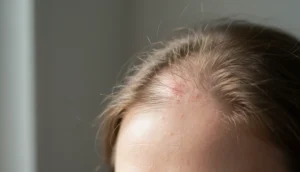
When you search for prp hair treatment results, you’re looking for clear evidence that platelet‑rich plasma can truly revive thinning hair. This article explains how PRP works, what you can expect after each session, and how to optimize outcomes. Hair loss affects up to 40 % of men and women worldwide, and many patients seek a non‑surgical solution that offers natural‑looking growth. By the end of this guide, you’ll know the typical timeline for visible improvement, the variables that influence success, and why combining PRP with advanced transplant techniques can deliver the best possible restoration.
Platelet‑rich plasma therapy has moved from a niche dermatology treatment to a mainstream option for hair restoration, especially in Turkey’s thriving medical tourism sector. Yet, realistic expectations are essential—results vary, and understanding the process helps you stay informed and confident throughout your journey.
Let’s explore the science behind PRP, the milestones you’ll see, and practical steps to ensure your treatment delivers the results you desire.
How PRP Works for Hair Restoration
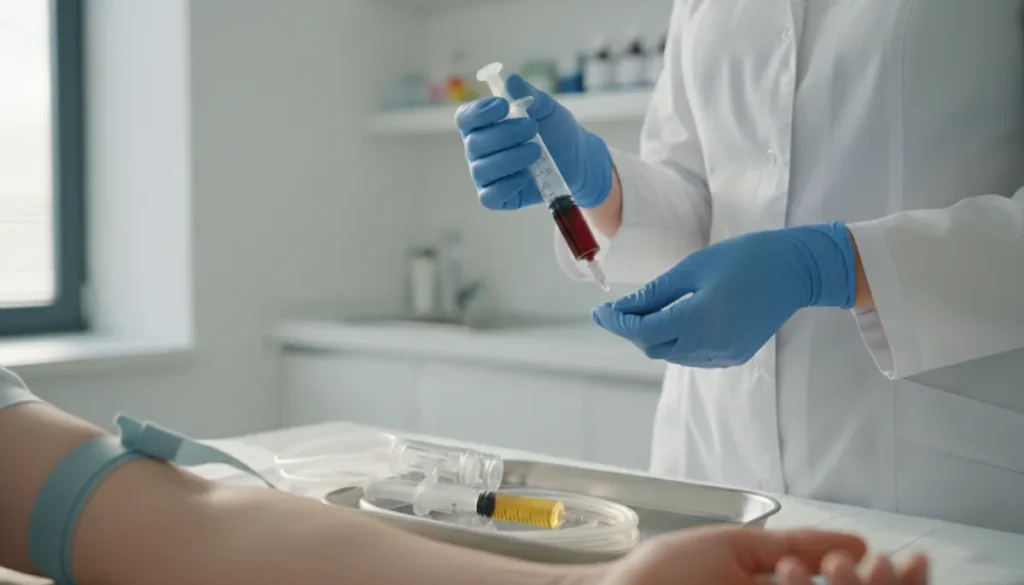
Platelet‑rich plasma (PRP) is an autologous concentration of platelets derived from a small sample of your own blood. When injected into the scalp, the growth factors released by platelets stimulate dormant hair follicles, improve blood supply, and prolong the anagen (growth) phase of the hair cycle.
Key components of the process include:
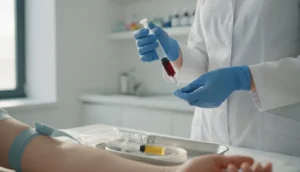
- Blood draw: Typically 10–20 ml of venous blood is collected.
- Centrifugation: The sample is spun at high speed to separate the platelet‑rich layer from red blood cells.
- Activation: Calcium chloride or thrombin may be added to activate platelets before injection.
- Injection: Using a fine‑gauge needle, the PRP is administered into the scalp at points of thinning or balding.
The following table compares PRP with two other common hair‑loss therapies—topical minoxidil and hair‑transplant surgery (FUE/DHI)—highlighting their mechanisms, typical sessions, and expected outcomes.
| Treatment | Mechanism | Number of Sessions | Typical Results Timeline | Invasiveness |
|---|---|---|---|---|
| PRP Therapy | Growth‑factor release from platelets stimulates follicles | 3–4 sessions (4–6 weeks apart) | 3–6 months for visible thickening | Minimally invasive |
| Minoxidil | Vasodilation improves scalp blood flow | Daily topical application | 4–12 months for noticeable regrowth | Non‑invasive |
| FUE/DHI Transplant | Transplantation of healthy follicles to balding areas | 1–2 surgical sessions | 6–12 months for full graft maturation | Surgical |
While PRP is not a replacement for surgical transplantation in advanced alopecia, it can significantly enhance hair density and serve as a maintenance therapy after a transplant. Understanding this mechanism helps set realistic expectations for your prp hair treatment results.
Expected Timeline and What Results Look Like
Patients often ask, “How long does it take to see results from PRP hair treatment?” The answer depends on individual biology, the severity of hair loss, and adherence to after‑care protocols. Generally, you can anticipate the following phases:
- Initial Phase (Weeks 1‑4): The scalp may feel slightly tender; no visible hair growth is expected yet.
- Early Growth Phase (Weeks 4‑12): Fine, baby‑hair strands begin to emerge, often described as “peach fuzz.” This stage signals that the follicles have entered the anagen phase.
- Consolidation Phase (Months 3‑6): Existing hairs thicken, and new growth becomes more noticeable. Patients typically report a 10‑30 % increase in hair density.
- Maintenance Phase (Beyond 6 months): Periodic booster sessions (every 6‑12 months) help sustain the improvements.
Typical prp hair treatment results include:
- Increased hair shaft diameter (up to 20 % thicker).
- Improved overall scalp coverage, especially in the crown and frontal regions.
- Reduced shedding rates, as the treatment stabilizes the hair cycle.
The table below summarizes average outcomes reported in clinical studies for patients with androgenetic alopecia (AGA) undergoing PRP therapy.
| Study | Number of Participants | Average Increase in Hair Density (hairs/cm²) | Time to Noticeable Improvement |
|---|---|---|---|
| International Journal of Dermatology 2022 | 45 | +22 | 4 months |
| Dermatologic Surgery 2021 | 30 | +15 | 5 months |
| Clinical Cosmetic Investigations 2020 | 60 | +18 | 3‑6 months |
Remember, results are cumulative; each PRP session builds on the previous one. Patience and consistency are key to achieving the best possible outcome.
Factors Influencing PRP Hair Treatment Results
Not every patient experiences the same level of improvement. Several variables can affect the efficacy of PRP therapy:
- Age: Younger patients (under 40) often see faster follicular response.
- Stage of Alopecia: Early‑stage thinning responds better than extensive baldness.
- Platelet Concentration: Higher platelet counts (typically 1‑1.5 million/µL) yield stronger growth‑factor release.
- Lifestyle: Smoking, poor nutrition, and chronic stress can diminish results.
- Concurrent Treatments: Using minoxidil or low‑level laser therapy alongside PRP can amplify outcomes.
Below is a quick reference guide that helps patients assess their own situation and anticipate how these factors may shape their prp hair treatment results:
| Factor | Positive Influence | Negative Influence |
|---|---|---|
| Age | Under 40 years | Over 55 years |
| Hair‑Loss Stage | Norwood I‑III (men) / Ludwig I‑II (women) | Norwood IV‑VII / Ludwig III |
| Platelet Count | >1 million/µL | <0.5 million/µL |
| Lifestyle | Balanced diet, regular exercise | Smoking, excessive alcohol |
Optimizing these factors before and during treatment can markedly improve the final appearance of your hair. For example, a patient who quits smoking and supplements with biotin may see a 10‑15 % boost in density compared with baseline expectations.
Combining PRP with Other Hair Restoration Options
Many patients achieve superior results by integrating PRP with surgical or non‑surgical hair‑restoration methods. Here’s how PRP complements the most popular techniques:
PRP + FUE/DHI Transplant
After a follicular unit extraction (FUE) or direct hair implantation (DHI) procedure, PRP can accelerate graft healing, reduce inflammation, and improve graft survival rates. Studies show a 15‑20 % increase in graft retention when PRP is administered within 24 hours post‑surgery.
PRP + Microneedling
Microneedling creates micro‑channels that enhance PRP penetration. When combined, patients often notice faster hair thickening, especially in the vertex area.
PRP + Topical Therapies
Applying minoxidil or finasteride alongside PRP creates a synergistic effect: minoxidil maintains vascular dilation while PRP supplies growth factors.
The comparison table outlines typical protocols and expected benefits when PRP is used as an adjunct therapy.
| Combination | Protocol | Benefit Over Stand‑Alone | Typical Timeline for Enhanced Results |
|---|---|---|---|
| PRP + FUE/DHI | PRP injection on day of surgery + two booster sessions | Higher graft survival, reduced downtime | 3‑6 months |
| PRP + Microneedling | Microneedling weekly + PRP monthly | Improved scalp circulation, faster follicle activation | 2‑4 months |
| PRP + Minoxidil | Daily minoxidil + PRP every 6 weeks | Enhanced hair shaft thickness, prolonged anagen phase | 4‑6 months |
By tailoring a personalized regimen, you can maximize the visible impact of each session and achieve a more natural, lasting restoration.
Preparing for Your PRP Session and Aftercare
Success begins before the needle touches your scalp. Follow these preparation tips to set the stage for optimal prp hair treatment results:
- Stop anticoagulant supplements: Discontinue aspirin, ibuprofen, and omega‑3 supplements at least 7 days prior.
- Hydrate: Drink plenty of water the day before to ensure good blood volume.
- Eat a balanced meal: Include protein and vitamin‑rich foods to support platelet function.
- Avoid smoking and alcohol: Both can impair platelet activity and healing.
After the injection, adhere to these aftercare guidelines:
- Do not wash your scalp for 24 hours to allow the growth factors to settle.
- Apply a gentle, sulfate‑free shampoo after the first day.
- Limit strenuous exercise for 48 hours to reduce swelling.
- Use a soothing scalp serum (containing hyaluronic acid) if advised.
- Schedule your next PRP session according to the recommended 4‑6‑week interval.
Consistent aftercare not only protects the injection sites but also reinforces the biological processes that drive new hair growth. Patients who follow these steps report clearer, denser results and a smoother overall experience.
Why Choose Gold City Hair
At Gold City Hair, we combine cutting‑edge PRP technology with a personalized approach that has earned the trust of patients worldwide since 2017. Our certified specialists follow strict protocols for platelet concentration, ensuring each injection delivers the optimal dose of growth factors. We also integrate PRP with our renowned FUE and DHI transplant services, creating comprehensive treatment plans tailored to your unique hair‑loss pattern. Transparent communication, state‑of‑the‑art facilities in Turkey, and a commitment to natural‑looking results make us a leading choice for those seeking lasting confidence through hair restoration.
Ready to see real PRP hair treatment results? Contact Gold City Hair today to schedule a personalized consultation and take the first step toward fuller, healthier hair.
FAQ
How long does it take to see results from PRP hair treatment?
Visible improvement typically appears between 3 to 6 months after the initial series of sessions.
What is the typical number of PRP sessions needed for effective hair growth?
Most protocols recommend 3‑4 sessions spaced 4‑6 weeks apart.
Which factors most affect PRP hair treatment results?
Age, alopecia stage, platelet concentration, lifestyle, and concurrent therapies are key influencers.
Can PRP be combined with hair transplant surgery for better outcomes?
Yes, PRP can improve graft survival and reduce healing time when used with FUE/DHI transplants.
What aftercare steps should I follow after a PRP session?
Avoid heat, strenuous exercise, and harsh hair products for 24‑48 hours, and keep the scalp clean.
How does PRP compare to minoxidil in terms of effectiveness?
PRP offers a faster, more natural density boost, while minoxidil works slower and requires daily use.