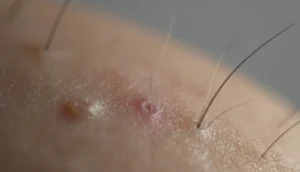

If you’ve seen red, itchy bumps on your skin that look like acne but won’t go away, you might have folliculitis. It’s a common skin problem that affects hair follicles.
Folliculitis can come from a bacterial infection, too much fungus, viruses, or even physical harm. Getting the right diagnosis and treatment is key to curing it. At Gold City Hair, our skilled dermatologists use modern techniques to give personalized care to those with folliculitis.
Knowing that folliculitis can be treated and managed helps people regain their confidence and get healthier skin. The right treatments and ways to prevent it can change lives. They offer maximum results and a pain-free experience.
Önemli Çıkarımlar
Accurate diagnosis is key for treating folliculitis effectively.
Folliculitis can be caused by bacterial, fungal, or viral infections, or physical irritation.
Personalized care and modern techniques are essential for treating folliculitis.
Effective treatment can help regain confidence and achieve healthier skin.
Prevention strategies are available to manage and prevent future outbreaks.
Understanding Folliculitis: Causes and Types
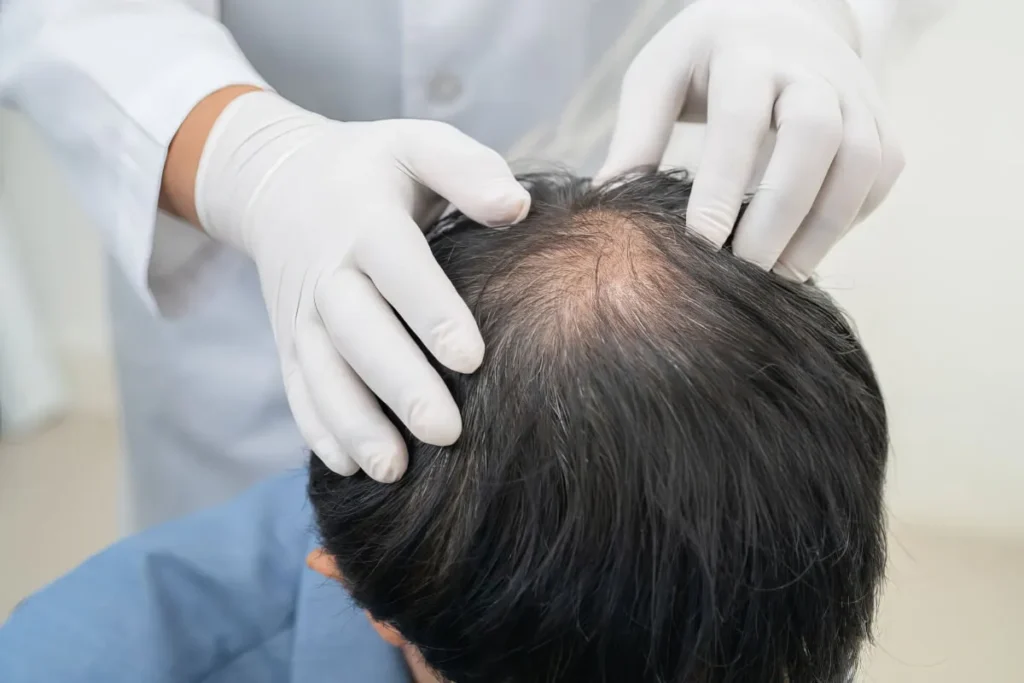
Knowing the causes and types of folliculitis is key to treating and preventing it. Folliculitis is when hair follicles get inflamed. It can be caused by bacteria, fungi, and viruses.
What is Folliculitis and Common Symptoms
Folliculitis shows up as red bumps, itching, and pus-filled spots around hair follicles. These signs can be quite uncomfortable and vary in how bad they are.
Bacterial, Fungal, and Viral Causes
Folliculitis falls into three main types: bacterial, fungal, and viral. Bacterial folliculitis is often caused by Staphylococcus aureus. Fungal folliculitis can be due to Pityrosporum or dermatophytes. Viral folliculitis is usually caused by the herpes simplex virus.
By knowing the different causes and types of folliculitis, people can find the right treatment. It’s important to remember that each type needs a specific treatment plan.
How to Cure Folliculitis: Effective Treatment Options
Effective treatment for folliculitis depends on the cause and how severe it is. Folliculitis is an inflammation of hair follicles, often caused by bacteria, fungi, or viruses. Knowing the cause is key to choosing the right treatment.
Treating Bacterial Folliculitis
Bacterial folliculitis is treated with antibiotics. These can be applied topically or taken orally, based on the severity. For mild cases, mupirocin or clindamycin work well. More serious infections might need doxycycline or minocycline.
A dermatology expert says, “Antibiotics are the main treatment for bacterial folliculitis. They offer a simple solution for many patients.”
Dermatology Expert
Managing Fungal Folliculitis
Fungal folliculitis needs antifungal treatments. For mild to moderate cases, clotrimazole or ketoconazole are good. Severe cases might require fluconazole or itraconazole. It’s important to finish the treatment to avoid coming back.
Addressing Viral Folliculitis
Viral folliculitis, often from herpes simplex virus, needs antiviral medications. Mild cases can be treated with topical antivirals. More serious cases require oral antivirals. Quick treatment can lessen symptoms and prevent problems.
Home Remedies and Self-Care
Medical treatments are not the only way to manage folliculitis. Home remedies and self-care can also help. Warm compresses, good hygiene, and avoiding irritants can ease symptoms. These practices support healing and lower the chance of it coming back.
Effective treatment for folliculitis combines medical care and lifestyle changes. Understanding the cause and using the right treatment can help. It’s important to talk to a healthcare professional to find the best plan for you.
Preventing Folliculitis Recurrence and When to See a Doctor
To prevent folliculitis, start with good hygiene. Shower often, after working out or sweating a lot. Don’t share personal care items. Wear loose clothes to avoid irritation.
Preventing folliculitis means avoiding tight clothes and using gentle products. Clean your skin care tools well. This helps a lot.
If folliculitis keeps coming back or is severe, see a doctor. They can diagnose and treat it. Early treatment stops bigger problems and damage.
By following these steps and knowing when to get help, you can keep your skin healthy. We’re here to help you take care of your skin for life.
SSS
What is folliculitis and how is it caused?
Folliculitis is inflammation or infection of hair follicles that causes red or pus-filled bumps. It is commonly caused by bacteria like Staphylococcus aureus, fungi, viruses, ingrown hairs, shaving, friction, or sweating.
What are the common symptoms of folliculitis?
Small red bumps, white-headed pimples, itching, tenderness, mild pain, swelling, and sometimes crusting or drainage.
How is bacterial folliculitis treated?
With antibacterial washes, topical antibiotics, and in severe cases oral antibiotics prescribed by a doctor.
What are the treatment options for fungal folliculitis?
Antifungal creams, medicated shampoos (like ketoconazole), or oral antifungal medicines if persistent.
Can viral folliculitis be treated?
Yes, antiviral medications may be prescribed if caused by viruses such as herpes; mild cases may resolve on their own.
Are there any home remedies for folliculitis?
Warm compresses, good hygiene, diluted tea tree oil, avoiding shaving, and keeping the area clean and dry may help mild cases.
How can I prevent folliculitis recurrence?
Shower after sweating, avoid tight clothing, use clean razors, avoid sharing personal items, and treat underlying skin conditions.
When should I see a doctor for folliculitis?
If it becomes painful, spreads, forms large boils, causes fever, lasts more than 1–2 weeks, or keeps returning.
What is the difference between folliculitis and keratosis pilaris?
Folliculitis is inflamed or infected hair follicles with redness and pus, while keratosis pilaris is harmless keratin buildup causing small rough bumps without infection.
Can folliculitis be cured permanently?
Most cases can be completely treated, but recurrence can happen if triggers like shaving or friction continue.
What are the best treatments for severe folliculitis?
Oral antibiotics or antifungals, medicated cleansers, drainage of large boils, and in chronic cases laser hair removal.
Referanslar
Ulusal Biyoteknoloji Bilgi Merkezi. Kanıta Dayalı Tıbbi Öngörü. Erişim adresi https://www.ncbi.nlm.nih.gov/pmc/articles/PMC3889040/