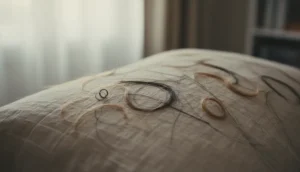
Hair thinning with age is a natural concern for many men and women, yet it often catches people off guard because the process can be subtle at first. As we grow older, the hair follicles gradually produce finer strands, leading to a noticeable reduction in volume. According to recent dermatology studies, up to 70 % of individuals experience some degree of thinning by the time they reach their 50s. This article explains the biological reasons behind this change, how to spot early warning signs, practical steps to slow the process, and the medical options—including hair transplantation—that can restore a fuller appearance. Whether you are just beginning to notice a wider part line or you are exploring long‑term solutions, understanding the underlying mechanisms empowers you to make informed decisions for your hair health.
We will explore the hormonal shifts, genetic factors, and lifestyle influences that contribute to thinning hair, and we’ll outline proven strategies that can help you maintain a healthier scalp. Finally, we’ll discuss why Gold City Hair’s personalized approach makes it a trusted destination for those seeking lasting results.
What Causes Hair Thinning As You Grow Older
The aging process triggers several physiological changes that affect the scalp’s ability to sustain robust hair growth. The most common contributors include:
- Hormonal fluctuations: Decreased estrogen in women and reduced testosterone conversion to dihydrotestosterone (DHT) in men can shorten the anagen (growth) phase.
- Genetic predisposition: Family history of androgenetic alopecia often determines the pattern and speed of thinning.
- Reduced blood circulation: Age‑related vascular changes limit nutrient delivery to follicles.
- Chronic stress: Elevated cortisol levels can push follicles into the telogen (resting) phase.
- Nutritional deficiencies: Insufficient iron, zinc, and biotin weaken hair structure.
Below is a quick comparison of how these factors typically manifest in men versus women.
| Factor | Erkekler | Women |
|---|---|---|
| Hormonal influence | Higher DHT sensitivity → receding hairline | Declining estrogen → diffuse thinning |
| Genetic pattern | Male pattern baldness (Norwood III‑V) | Female pattern alopecia (Ludwig II‑III) |
| Typical age of onset | Late 20s – 30s | Late 30s – 40s |
Understanding these root causes clarifies why “hair thinning with age” is not merely a cosmetic issue but a reflection of broader health dynamics. Addressing the underlying factors early can significantly delay progression.
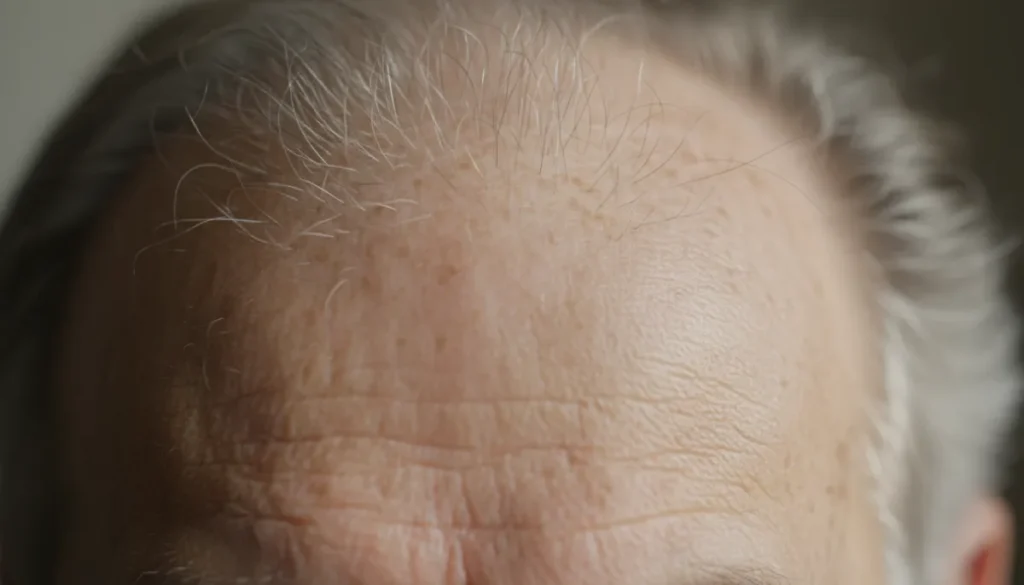
How to Recognize Early Signs of Thinning Hair
Spotting the first indications of hair thinning can empower you to intervene before the condition becomes more pronounced. Common early signals include:
- Widening part line or a noticeable increase in scalp visibility.
- More hair than usual on the pillow, shower drain, or brush.
- Reduced hair volume when styling, especially after washing.
- Patchy or uneven hair density, often beginning at the temples or crown.
Many people mistake normal shedding (approximately 50‑100 strands per day) for thinning. However, when shedding consistently exceeds this range, it may indicate a shift toward alopecia or early androgenetic alopecia. A simple self‑check involves parting the hair in different directions; if the scalp becomes visible in multiple areas, it is a clear sign of thinning.
Professional evaluation can differentiate between temporary shedding caused by stress or medication and progressive conditions such as male pattern baldness or female pattern alopecia. Early diagnosis allows for timely treatment, which often yields better outcomes.
Effective Lifestyle Strategies to Slow Down Thinning
While genetics play a significant role, lifestyle adjustments can markedly influence the rate of hair thinning. Incorporating the following habits supports follicular health:
- Balanced nutrition: Prioritize protein‑rich foods, omega‑3 fatty acids, and micronutrients like iron, zinc, and vitamins A, C, D, E.
- Scalp massage: Gentle circular motions stimulate blood flow and can enhance nutrient delivery.
- Stress reduction: Practices such as yoga, meditation, or regular aerobic exercise lower cortisol levels.
- Avoid harsh styling: Limit heat tools, tight hairstyles, and chemical treatments that can cause traction alopecia.
- Gentle cleansing: Use sulfate‑free shampoos and avoid excessive washing, which can strip natural oils.
Research indicates that a diet rich in biotin and antioxidants can improve hair shaft strength, while regular scalp massage for five minutes a day may increase follicle size. Combining these practices creates a holistic defense against further thinning.
Medical Treatments and When to Consider a Hair Transplant
When lifestyle measures are insufficient, medical interventions become valuable. The most widely used options include:
| Treatment | How It Works | Typical Candidates |
|---|---|---|
| Minoxidil (topical) | Vasodilator that prolongs the anagen phase | Early‑stage thinning, both genders |
| Finasteride (oral) | Inhibits conversion of testosterone to DHT | Male pattern baldness, ages 25‑50 |
| Platelet‑Rich Plasma (PRP) | Concentrated growth factors stimulate follicle activity | Moderate thinning, post‑surgical recovery |
| Hair Transplant (FUE/DHI) | Harvests healthy follicles and implants them in thinning zones | Advanced alopecia, stable donor area |
Topical and oral medications are often first‑line therapies because they are non‑invasive and affordable. However, they require consistent use and may only halt further loss rather than restore density. For individuals with significant bald spots or resistant hair loss, a surgical transplant—particularly the Follicular Unit Extraction (FUE) or Direct Hair Implantation (DHI) methods—offers a permanent, natural‑looking solution. Consulting a qualified specialist helps determine the optimal timing, especially before the donor area becomes compromised.
Preparing for a Hair Restoration Consultation
Before meeting with a hair restoration expert, gather the following information to ensure a productive session:
- Medical history: Any hormonal disorders, medications, or previous scalp surgeries.
- Family history of alopecia or pattern baldness.
- Photographs: Clear front, side, and back images taken in natural light.
- Current hair‑care routine: Products used, frequency of washing, styling habits.
- Goals and expectations: Desired density, style, and timeline.
During the consultation, the specialist will assess scalp laxity, donor hair quality, and overall health to recommend a customized plan. Transparent communication about potential outcomes, recovery time, and cost is essential for setting realistic expectations. At Gold City Hair, the team emphasizes a personalized approach, ensuring each patient receives a treatment roadmap tailored to their unique pattern of thinning.
Why Choose Gold City Hair for Your Hair Restoration
Gold City Hair has been delivering advanced hair restoration solutions in Turkey since 2017. Our clinic combines the latest FUE and DHI techniques with a patient‑centered philosophy, guaranteeing meticulous planning, transparent communication, and natural‑looking results. Our experienced surgeons prioritize minimal scarring and optimal graft survival, while our dedicated care team supports you from the initial screening through post‑procedure follow‑up. Choosing Gold City Hair means trusting a proven leader committed to restoring confidence through safe, effective, and personalized hair‑loss treatment.
Ready to take the next step toward a fuller, healthier head of hair? Contact Gold City Hair today to schedule your personalized consultation and discover the most effective solution for your unique pattern of thinning.
SSS
What causes hair thinning as you age?
Hair thinning with age is driven by hormonal shifts, genetic predisposition, reduced blood flow, chronic stress, and nutritional deficiencies.
How can I recognize early signs of thinning hair?
Early signs include a widening part line, increased hair shedding, reduced volume when styling, and visible scalp in multiple areas.
What lifestyle changes can help slow down hair thinning?
Balanced nutrition, regular scalp massage, stress reduction, gentle hair care, and using sulfate‑free shampoos can all help slow thinning.
What medical treatments are available for age‑related hair loss?
Topical minoxidil, oral finasteride, platelet‑rich plasma (PRP) therapy, and hair transplantation are common options.
When should I consider a hair transplant for thinning hair?
Consider a transplant when thinning is advanced, donor hair is stable, and non‑surgical treatments no longer provide satisfactory results.
How does Gold City Hair personalize hair restoration treatments?
Gold City Hair tailors each plan by reviewing medical history, family genetics, scalp analysis, and patient goals to choose the best combination of therapies.