Many people wonder how to grow hair on bald patches and regain a fuller appearance. Whether the missing strands are caused by genetics, hormonal shifts, or an autoimmune condition, understanding the underlying factors is the first step toward successful regrowth. In this article we explore the science behind hair loss, practical home‑based solutions, and professional treatments that can help you fill in those gaps with confidence.
Did you know that up to 40 % of men and 30 % of women experience noticeable bald spots by the age of 35? This common statistic highlights why early intervention matters. By combining lifestyle adjustments, targeted products, and, when appropriate, medical procedures, you can create an environment where new hair can thrive.
We’ll walk you through the most effective strategies to grow hair on bald patches, discuss when it’s time to seek professional help, and show how Gold City Hair’s expertise can guide you toward lasting results.
Understanding the Causes of Bald Patches
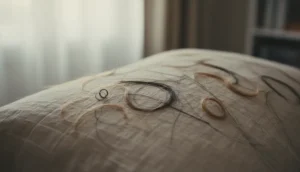
Before attempting to grow hair on bald patches, it’s essential to identify why they formed in the first place. The most common culprits include:
- Genetic pattern baldness (androgenetic alopecia)
- Autoimmune conditions such as alopecia areata
- Hormonal imbalances, especially excess dihydrotestosterone (DHT)
- Scalp infections, dermatitis, or severe inflammation
- Physical or emotional stress that triggers telogen effluvium
- Nutrient deficiencies (iron, zinc, vitamin D)
Understanding the root cause helps you choose the most appropriate treatment pathway. For example, if alopecia areata is the trigger, immunomodulatory therapies may be more effective than topical growth serums. Conversely, pattern baldness often responds well to finasteride or hair transplant procedures.
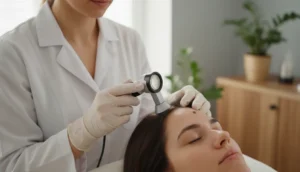
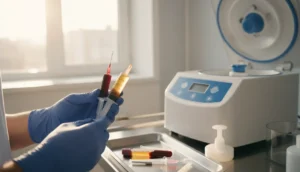
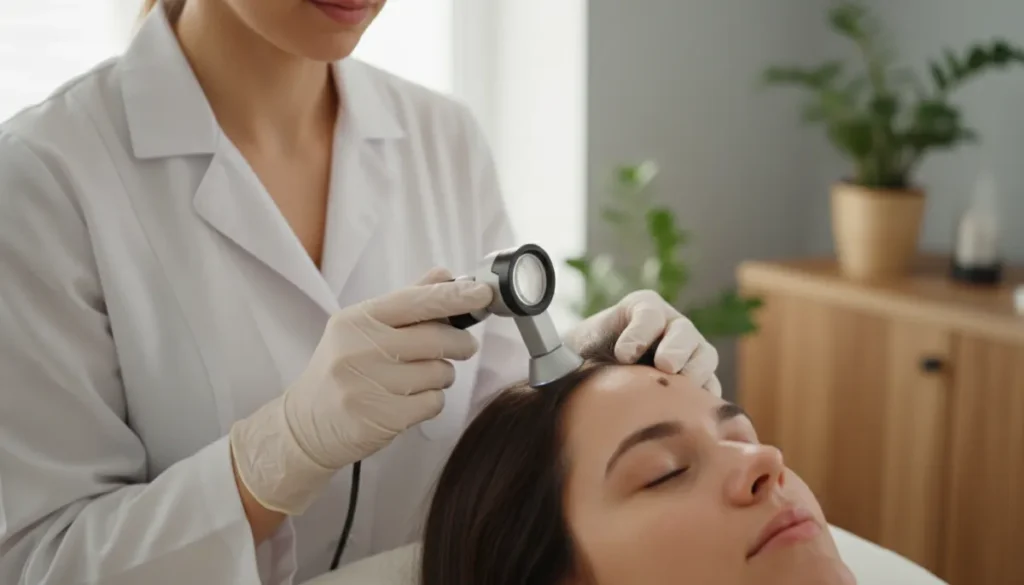
Medical professionals typically perform a thorough evaluation that includes a scalp examination, blood tests, and a review of your family history. This diagnostic process ensures that the chosen method to grow hair on bald patches targets the specific mechanism behind the loss.
Non‑Surgical Strategies for Hair Regrowth
For many, the first line of defense is a non‑surgical approach. These methods are generally safe, affordable, and can be combined for synergistic effects when you aim to grow hair on bald patches.
Topical Treatments and Supplements
Over‑the‑counter hair growth products often contain minoxidil, caffeine, or botanical extracts that stimulate follicles. In addition, supplements rich in biotin, saw‑palmetto, and marine collagen support overall hair health.
Lifestyle Adjustments
Adopting habits that reduce stress and improve circulation can accelerate regrowth:
- Regular aerobic exercise (at least 30 minutes, 3–5 times a week)
- Scalp massage with essential oils (rosemary, peppermint) to increase blood flow
- Adequate sleep (7–9 hours) to balance hormone levels
- Balanced diet rich in lean proteins, omega‑3 fatty acids, and antioxidants
Finasteride and Other Medications
Finasteride, a prescription oral medication, blocks the conversion of testosterone to DHT, the hormone most responsible for shrinking hair follicles. While primarily used for male pattern baldness, it can also benefit women under careful medical supervision.
When used consistently, these non‑invasive methods can create a supportive environment for new hair to emerge, helping you grow hair on bald patches without surgery.
Medical Treatments and When to Consider Them
If natural methods haven’t delivered the desired density, medical interventions may be the next step. Deciding when to move from topical care to a clinical solution is crucial for those who want to grow hair on bald patches efficiently.
| Treatment | How It Works | Typical Sessions | Pros | Cons |
|---|---|---|---|---|
| Hair Transplant (FUE/DHI) | Harvests healthy follicles from a donor area and implants them into bald patches | 1–2 sessions (8–12 hours each) | Permanent, natural‑looking results | Higher cost, surgical recovery |
| Platelet‑Rich Plasma (PRP) | Injects concentrated platelets to stimulate follicle activity | 3–4 sessions, 4‑week intervals | Minimally invasive, can be combined with other treatments | Variable results, requires multiple visits |
| Low‑Level Laser Therapy (LLLT) | Uses red light to increase cellular metabolism in the scalp | Daily 15‑minute sessions | Non‑invasive, at‑home devices available | Slower progress, needs consistent use |
| Prescription Topicals (e.g., higher‑strength minoxidil) | Delivers active ingredients directly to follicles | Daily application | Convenient, lower cost than surgery | Potential scalp irritation |
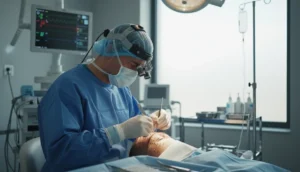
Among these options, hair transplant techniques such as Follicular Unit Extraction (FUE) and Direct Hair Implantation (DHI) are especially effective for permanently filling in bald patches. They relocate robust donor follicles, allowing you to achieve dense, natural‑looking coverage.
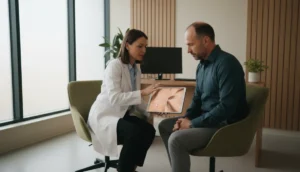
Before committing, a thorough consultation will assess donor site quality, scalp laxity, and realistic expectations. This ensures that the chosen method aligns with your goal to grow hair on bald patches and delivers lasting confidence.
Lifestyle Tips to Support New Hair Growth
Even after a successful medical procedure, daily habits play a pivotal role in maintaining and enhancing the results. The following lifestyle tips help you continue to grow hair on bald patches and keep existing strands strong.
Nutrition for Follicle Health
Hair is primarily made of keratin, a protein that requires a steady supply of amino acids, iron, and vitamins. Incorporate these foods into your meals:
- Lean poultry and fish (rich in protein and omega‑3)
- Leafy greens like spinach (high in iron and vitamin A)
- Nuts and seeds (source of zinc and selenium)
- Eggs and dairy (contain biotin and vitamin D)
Scalp Care Routine
Gentle cleansing with a sulfate‑free shampoo prevents follicle irritation. Follow with a light conditioner to maintain moisture balance. Periodic scalp exfoliation using a soft brush can remove dead skin cells and improve circulation.
Stress Management
Chronic stress elevates cortisol, which can disrupt the hair growth cycle. Techniques such as mindfulness meditation, yoga, or even short daily walks can lower stress hormones, fostering a healthier environment for hair to flourish.
By integrating these habits, you reinforce the foundation laid by any medical or topical treatment, ensuring that the hair you’ve worked to grow on bald patches stays vibrant and resilient.
Preparing for a Successful Hair Restoration Journey
Embarking on a hair restoration plan requires thoughtful preparation to maximize outcomes and minimize setbacks. Here’s a step‑by‑step guide to help you confidently grow hair on bald patches with professional support.
- Initial Consultation – Discuss your medical history, goals, and any previous treatments with a qualified specialist.
- Diagnostic Tests – Blood work, scalp photography, and possibly a trichogram to assess follicle density.
- Treatment Planning – Choose the most suitable option (e.g., FUE transplant, PRP, or combined therapy) based on your diagnosis.
- Pre‑Procedure Care – Stop smoking, limit alcohol, and follow any medication adjustments recommended by your doctor.
- Procedure Day – Arrive rested; the clinic will ensure a comfortable, sterile environment.
- Post‑Procedure Recovery – Follow after‑care instructions, avoid strenuous activity for a few days, and use prescribed shampoos or serums.
- Long‑Term Maintenance – Continue with recommended topical treatments, nutrition, and periodic follow‑ups.
Adhering to this roadmap not only improves the likelihood of successful hair regrowth but also helps you maintain the results for years to come.
Why Choose Gold City Hair for Your Hair Restoration
Gold City Hair has been delivering personalized hair restoration solutions in Turkey since 2017. Our clinic specializes in advanced techniques such as FUE, DHI, and eyebrow or beard transplants, ensuring each patient receives a tailored plan that matches their unique hair loss pattern. With a focus on transparent communication, we guide you through every step—from the initial assessment to post‑procedure care—so you feel confident and informed throughout your journey.
Our experienced team combines surgical precision with compassionate support, helping you achieve natural, lasting results that restore both your appearance and self‑esteem.
Ready to start your transformation? Contact Gold City Hair today to schedule a personalized consultation and take the first step toward filling in those bald patches for good.
Experience the confidence that comes with a fuller, healthier head of hair—your new look awaits.
SSS
What are the most common causes of bald patches?
Bald patches are usually caused by genetic pattern baldness, alopecia areata, hormonal imbalances, scalp infections, stress, and nutrient deficiencies.
Can natural remedies really help grow hair on bald patches?
Yes, natural remedies like scalp massage, essential oils, and certain supplements can support hair regrowth when combined with a healthy lifestyle.
When should I consider medical treatments like hair transplants?
If non‑surgical methods haven’t improved density after several months, or if you have advanced pattern baldness, medical options become advisable.
How do finasteride and minoxidil work for hair regrowth?
Finasteride blocks DHT formation, while minoxidil widens blood vessels to increase follicle blood flow and prolong the growth phase.
What post‑procedure care is needed after a hair transplant?
Follow the surgeon’s instructions: avoid strenuous activity, keep the scalp clean, use prescribed shampoos, and protect grafts from sun exposure.