Experiencing head itching and hair falling out can be unsettling, especially when it affects daily confidence. This article explores the underlying reasons behind an itchy scalp paired with hair loss, outlines how common skin conditions contribute to the problem, and highlights when professional help is essential. According to dermatological studies, up to 30% of adults report persistent scalp itching at some point in their lives, and many discover a link to hair shedding.
We will examine medical factors such as seborrheic dermatitis, alopecia, and folliculitis, as well as lifestyle influences like diet, stress, and hair‑care habits. By understanding the root causes, you can make informed decisions about treatment options and preventive care.
Whether the issue is temporary or a sign of a deeper condition, recognizing the symptoms early can prevent further hair loss and promote a healthier scalp. Let’s dive into the most common triggers and practical steps you can take.
Common Causes of an Itchy Scalp and Hair Loss
The combination of an itchy scalp and hair shedding often points to an underlying dermatological condition. Below are the most frequently observed causes:
- Seboreik dermatit – a chronic inflammation that produces flaky, oily patches.
- Alopecia – including androgenetic (male or female pattern) and alopecia areata.
- Dandruff – excessive shedding of dead skin cells that irritates the scalp.
- Folliculitis – bacterial infection of hair follicles causing redness and itch.
- Scalp eczema – an allergic reaction that leads to dryness and itching.
These conditions can disrupt the hair growth cycle, pushing follicles into the telogen (resting) phase, which results in increased shedding. The table below compares key features of each condition.
| Condition | Typical Symptoms | Impact on Hair |
|---|---|---|
| Seboreik Dermatit | Red, oily patches; yellowish flakes | Hair thinning due to inflammation |
| Alopesi Areata | Round bald patches; sudden hair loss | Rapid, localized shedding |
| Kepek | White flakes; mild itch | Generally mild, but can aggravate loss |
| Folikülit | Painful bumps; pus-filled lesions | Scarring can cause permanent loss |
| Saç Derisi Egzaması | Dry, itchy patches; redness | Can trigger diffuse shedding |
How Skin Conditions Like Seborrheic Dermatitis Trigger Hair Shedding
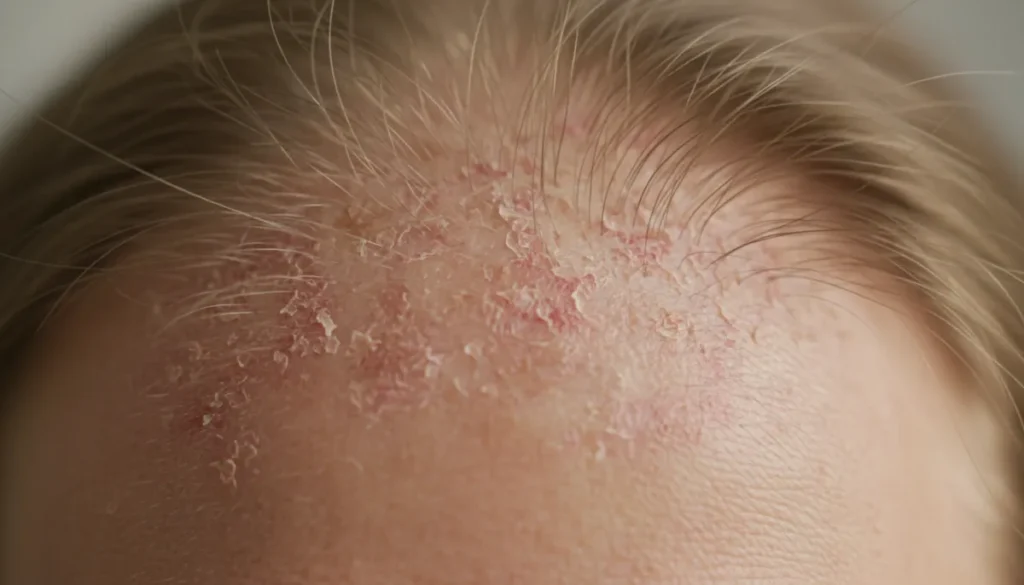
Seborrheic dermatitis is one of the leading culprits behind head itching and hair falling out. It results from an overgrowth of Malassezia yeast on the scalp, leading to inflammation and excess oil production. This environment weakens hair follicles, making them more susceptible to entering the shedding phase.
Symptoms to Watch For
- Greasy, yellowish scales on the scalp.
- Redness that intensifies after washing.
- Persistent itch that worsens in cold weather.
Management Strategies
Effective treatment often combines medicated shampoos with anti‑fungal agents. Ingredients such as ketoconazole, zinc pyrithione, and selenium sulfide help control yeast growth. In moderate cases, a dermatologist may prescribe topical corticosteroids to reduce inflammation.
Regular scalp hygiene, avoiding harsh hair products, and managing stress are essential preventive measures. When left untreated, seborrheic dermatitis can lead to chronic inflammation, accelerating hair loss over months.
When Hair Loss Is Linked to Autoimmune Disorders (Alopecia Areata)
Alopecia areata is an autoimmune condition where the body’s immune system mistakenly attacks hair follicles, causing sudden patches of hair loss. Although the scalp may not always itch, many patients report a tingling or mild irritation before the hair falls out.
Key Characteristics
- Round, smooth bald spots that appear abruptly.
- Possibility of nail changes (pitting or ridges).
- Often associated with other autoimmune diseases such as thyroid disorders.
Treatment Options
Therapies focus on modulating the immune response. Topical corticosteroids, intralesional injections, and newer JAK inhibitors have shown promising results. Early intervention can increase the likelihood of regrowth and reduce the risk of permanent scarring.
Because alopecia areata can affect both scalp and body hair, a comprehensive evaluation by a specialist is recommended. Understanding the autoimmune nature helps patients set realistic expectations and pursue appropriate medical care.
Lifestyle Factors and Scalp Health: Dandruff, Folliculitis, and Nutrition
Everyday habits play a significant role in scalp health. Dandruff, often caused by an overproduction of skin cells, can irritate the scalp and lead to scratching, which aggravates hair follicles. Folliculitis, a bacterial infection of the hair follicle, may develop after aggressive styling or inadequate hygiene.
Nutrition and Hydration
A balanced diet rich in vitamins A, D, E, zinc, and omega‑3 fatty acids supports keratin production and reduces inflammation. Dehydration can dry out the scalp, worsening itchiness and flakiness.
Practical Tips
- Use a gentle, sulfate‑free shampoo tailored for sensitive scalps.
- Avoid tight hairstyles that cause traction alopecia.
- Limit heat styling and harsh chemical treatments.
- Incorporate probiotic foods to support skin microbiome health.
By addressing lifestyle contributors, you can often reduce the frequency of an itchy scalp and minimize hair shedding without medication.
When to Seek Professional Evaluation and Treatment Options
If you notice persistent head itching and hair falling out for more than a few weeks, or if the shedding exceeds 100 hairs per day, it’s time to consult a specialist. Early diagnosis can differentiate between benign conditions like dandruff and more serious disorders such as alopecia or severe seborrheic dermatitis.
Diagnostic Steps
- Clinical examination of scalp and hair density.
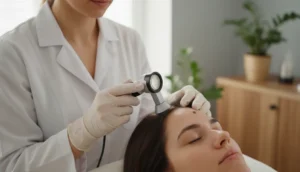
- Trichoscopy to visualize follicle health.
- Blood tests to rule out hormonal or autoimmune issues.
- Patch testing for allergic reactions.
Treatment Pathways at Gold City Hair
Our clinic offers personalized treatment plans that may include:
- Medical therapy: antifungal shampoos, corticosteroids, or oral medications.
- Advanced hair restoration: FUE (Follicular Unit Extraction) or DHI (Direct Hair Implantation) for permanent results.
- Scalp rejuvenation: PRP (Platelet‑Rich Plasma) therapy to stimulate follicle activity.
Choosing a qualified professional ensures that you receive evidence‑based care tailored to your specific scalp condition and hair loss pattern.
Why Choose Gold City Hair
Gold City Hair has been delivering reliable hair restoration solutions in Turkey since 2017. Our team combines expertise in FUE, DHI, and eyebrow/beard transplants with a personalized approach that emphasizes transparent communication and patient comfort. We understand the emotional impact of head itching and hair falling out and are committed to restoring confidence through safe, effective procedures.
With state‑of‑the‑art facilities and a track record of successful outcomes, we provide a supportive environment where every client receives a customized treatment plan based on thorough medical assessment.
Ready to stop the itch and regain a fuller head of hair? Contact Gold City Hair today for a free, no‑obligation consultation and discover the best solution for your scalp health.
SSS
What are the most common causes of an itchy scalp that leads to hair loss?
The most common causes include seborrheic dermatitis, alopecia (including androgenetic and alopecia areata), dandruff, folliculitis, and scalp eczema.
How does seborrheic dermatitis trigger hair shedding?
Seborrheic dermatitis overgrows Malassezia yeast, causing inflammation and excess oil that weakens hair follicles and pushes them into the shedding phase.
What are the key signs of alopecia areata and how is it treated?
Alopecia areata appears as sudden, round, smooth bald patches and may be accompanied by nail changes; treatment often involves corticosteroids and newer JAK inhibitors.
Can lifestyle factors like diet and stress affect scalp itching and hair loss?
Yes, poor nutrition, dehydration, stress, and harsh hair‑care habits can exacerbate scalp irritation and increase hair shedding.
When should someone seek professional evaluation for head itching and hair loss?
If itching and shedding persist for more than a few weeks or exceed 100 hairs per day, a dermatologist or hair‑restoration specialist should be consulted.
What treatment options does Gold City Hair offer for scalp conditions and hair loss?
Gold City Hair provides medicated shampoos, corticosteroids, antifungal therapy, FUE/DHI transplants, and PRP scalp rejuvenation.