Understanding how much hair falling out is normal can relieve anxiety and help you recognize when a deeper issue may be developing. Most people notice a few strands on their pillow, in the shower, or on their brush each day, but the exact amount varies widely. Studies show that the average person loses between 50 and 100 hairs daily, a natural part of the hair growth cycle.
In this article we’ll explore the science behind daily hair shedding, identify factors that can increase loss, and outline clear signs that suggest you should seek professional advice. Whether you’re a man noticing a receding hairline or a woman dealing with thinning hair, knowing the baseline for normal shedding empowers you to take proactive steps toward a healthier scalp.
We’ll also discuss practical lifestyle adjustments, when medical evaluation is warranted, and how advanced hair restoration techniques at Gold City Hair can restore confidence for those experiencing significant loss.
What Is Normal Daily Hair Shedding?
Hair grows in cycles: anagen (growth), catagen (transition), and telogen (rest). Approximately 85‑90% of hairs are in the anagen phase, while the remaining 10‑15% are in telogen, ready to shed. This natural turnover results in a daily loss of 50‑100 hairs for most individuals.
Key points to remember:
- Each hair follicle can stay in the growth phase for 2‑7 years, depending on genetics and health.
- During the telogen phase, hairs detach easily and fall out with minimal force.
- Shedding peaks after major life events such as surgery, severe illness, or major stress.
Below is a quick reference table that illustrates typical shedding ranges across different age groups and genders:
| Age Group | Average Daily Shedding (Hairs) | Notes |
|---|---|---|
| Teens‑20s | 50‑80 | Hormonal fluctuations can cause slight variations. |
| 30s‑40s | 60‑100 | Peak of androgenetic factors begins for many. |
| 50s‑60s | 80‑120 | Age‑related thinning becomes more common. |
Understanding these norms helps you differentiate between ordinary shedding and early signs of conditions such as alopecia or androgenetic alopecia.
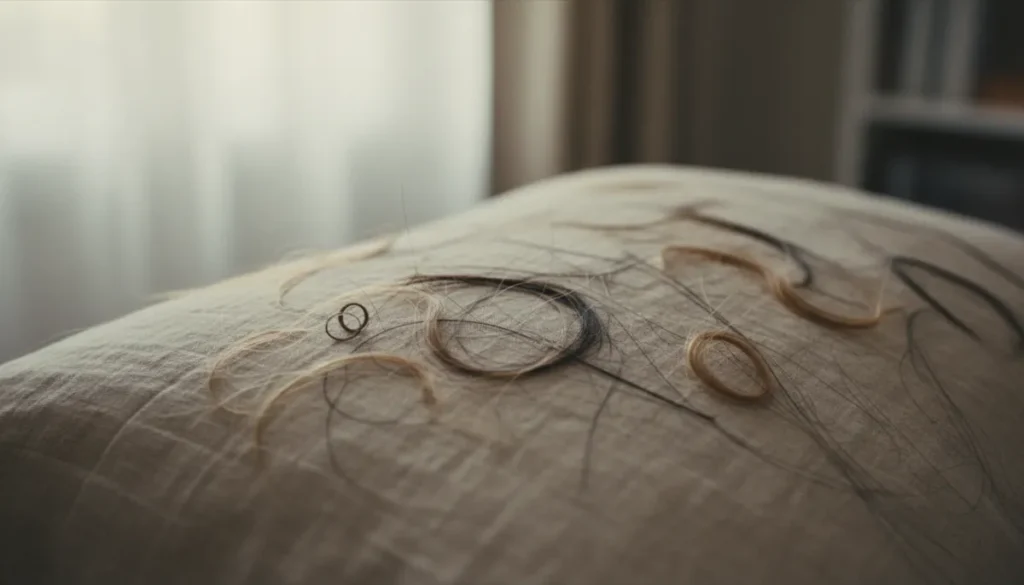
Factors That Influence Hair Loss Amount
While the baseline range is useful, many variables can shift the amount of hair you lose each day. Recognizing these factors enables you to adjust habits and seek help when needed.
Genetics and Hormones
Genetic predisposition plays a central role in male pattern baldness and female thinning. The hormone dihydrotestosterone (DHT) shortens the anagen phase, leading to finer, shorter hairs and increased shedding.
Nutrition and Health
Deficiencies in iron, zinc, biotin, and protein can impair follicle health. Chronic illnesses, thyroid disorders, and autoimmune conditions such as alopecia areata also accelerate telogen entry.
Stress and Lifestyle
Physical or emotional stress can trigger telogen effluvium, a temporary spike in shedding that may last several months. Poor sleep, smoking, and excessive alcohol consumption further compromise scalp circulation.
Hair Care Practices
Frequent tight hairstyles (e.g., braids, ponytails) can cause traksiyon alopesi. Over‑use of harsh chemicals, heat styling, and aggressive brushing increase breakage, which may be mistaken for shedding.
Here is a concise list of common contributors to increased hair loss:
- Hormonal imbalances (e.g., thyroid, DHT)
- Nutrient deficiencies (iron, vitamin D, protein)
- Stressful life events or chronic anxiety
- Harsh hair treatments and tight styling
- Medical conditions: alopecia, scalp infections, autoimmune disorders
When Shedding Becomes a Concern
Not all increased shedding signals a serious problem. However, certain patterns warrant professional evaluation.
Quantity and Duration
If you notice more than 150 hairs a day for several weeks, or a sudden clump of hair on your pillow or in the shower, it may indicate telogen effluvium or early androgenetic alopecia.
Pattern of Loss
Diffuse thinning across the scalp suggests a systemic issue, while a receding hairline or bald spot at the crown points toward pattern baldness. In women, widening part lines often signal hormonal influences.
Associated Symptoms
Itching, redness, scaling, or pain may indicate scalp inflammation or infection. Rapid hair loss accompanied by weight changes, fatigue, or menstrual irregularities could reflect an underlying endocrine disorder.
Below is a comparison table that helps you decide when to seek a specialist:
| Sign | Typical Normal Range | When to Consult a Professional |
|---|---|---|
| Daily hair loss | 50‑100 hairs | Consistently >150 hairs or sudden spikes |
| Pattern of thinning | Even distribution | Receding hairline, crown bald spot |
| Scalp condition | Clean, non‑irritated | Itching, redness, sores |
If any of these red flags appear, a dermatologist or hair restoration specialist can conduct a thorough assessment, including blood work and scalp analysis.
Tips to Manage Everyday Hair Shedding
Even when shedding falls within the normal range, adopting healthy habits can minimize excess loss and promote stronger growth.
Nutrition and Supplements
Incorporate iron‑rich foods (spinach, lentils), omega‑3 fatty acids (salmon, walnuts), and biotin‑boosting sources (eggs, almonds). If dietary intake is insufficient, a multivitamin formulated for hair health may help.
Gentle Hair Care Routine
Use a sulfate‑free shampoo, condition regularly, and limit heat styling to a few times per week. When brushing, start at the ends and work upward to reduce breakage.
Stress Management
Practices such as mindfulness meditation, regular exercise, and adequate sleep (7‑9 hours) support hormonal balance and improve circulation to the scalp.
Scalp Stimulation
Scalp massage with fingertips for a few minutes daily can increase blood flow, delivering nutrients to hair follicles. Essential oils like rosemary or peppermint, diluted in a carrier oil, may enhance the effect.
Here’s a quick checklist you can follow each morning:
- Gently detangle hair with a wide‑tooth comb.
- Apply a light, nourishing serum if scalp feels dry.
- Perform a 2‑minute scalp massage.
- Eat a balanced breakfast with protein and healthy fats.
- Take a short walk or stretch to reduce stress.
Medical Options for Excessive Hair Loss
When lifestyle adjustments aren’t enough, medical interventions can restore hair density and confidence.
Pharmacologic Treatments
Finasteride (for men) and minoxidil (topical, for both sexes) are FDA‑approved to slow hair loss and stimulate regrowth. They work best when started early in the thinning process.
Procedural Solutions
Advanced techniques such as Follicular Unit Extraction (FUE) and Direct Hair Implantation (DHI) performed by experienced clinicians can achieve natural‑looking results with minimal downtime. Gold City Hair specializes in these methods, offering personalized treatment plans based on individual donor density and aesthetic goals.
Emerging Therapies
Platelet‑rich plasma (PRP) injections and low‑level laser therapy (LLLT) are gaining popularity for their ability to improve follicular health without surgery. While results vary, many patients report reduced shedding and thicker hair over several months.
Below is a brief comparison of common medical options:
| Option | Mechanism | Typical Results Timeline | Considerations |
|---|---|---|---|
| Finasterid | DHT blocker | 3‑6 months | Prescription, possible sexual side effects |
| Minoxidil | Vasodilator, prolongs anagen | 4‑12 months | Topical, may cause scalp irritation |
| FUE / DHI | Surgical transplant of healthy follicles | 6‑12 months for full growth | Cost, recovery time, requires skilled surgeon |
| PRP | Growth factor‑rich plasma injections | 3‑6 months per series | Multiple sessions, variable efficacy |
Consulting a qualified hair restoration specialist will help determine the most appropriate approach based on your specific pattern of loss, health status, and personal preferences.
Why Choose Gold City Hair
Gold City Hair has been delivering personalized hair restoration solutions in Turkey since 2017. Our clinic combines state‑of‑the‑art FUE and DHI techniques with a patient‑first philosophy, ensuring transparent communication at every step. Our experienced team evaluates each case individually, creating a tailored plan that aligns with your aesthetic goals and medical needs. Trust us to guide you toward a fuller, natural‑looking hairline and renewed confidence.
Ready to take control of your hair health? Contact Gold City Hair today for a personalized consultation and discover the best solution for your unique needs.
Start your journey to thicker, healthier hair—schedule your appointment now.
SSS
What is considered a normal amount of hair loss per day?
Most people lose between 50 and 100 hairs each day as part of the natural growth cycle.
How can I tell if my hair shedding is a sign of a problem?
Watch for sudden spikes, persistent high counts, or accompanying scalp symptoms.
Which lifestyle factors can increase daily hair loss?
Genetics, hormonal changes, poor nutrition, stress, and harsh hair care habits can all boost shedding.
What medical treatments are available for excessive hair loss?
FDA‑approved drugs, surgical transplants, PRP injections, and low‑level laser therapy are common options.
How does stress affect hair shedding and what can I do about it?
Stress can trigger telogen effluvium; managing stress and supporting scalp health can reduce shedding.
When should I consult a dermatologist about hair loss?
If shedding exceeds 150 hairs daily, is uneven, or is accompanied by scalp irritation or systemic symptoms.