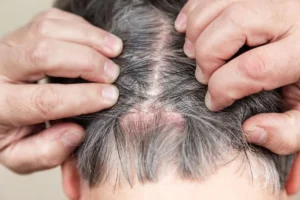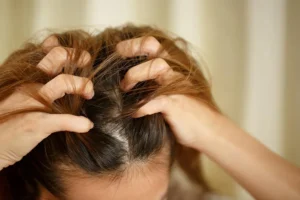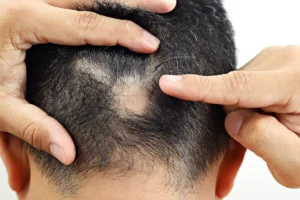
Hair thinning is a big problem for millions around the world. It can really hurt someone’s confidence and how they feel about themselves. Studies show that certain vitamins and minerals are key to keeping hair healthy. Not having enough of these can cause hair to fall out, so it’s important to know which ones are good for hair.
Important nutrients like biotin, vitamin D, and iron help keep hair healthy. Knowing how these nutrients work is key to stopping hair thinning. This article will look at the 7 best vitamins for thinning hair and growth. We’ll talk about why they’re important and how to add them to your daily routine.
Önemli Çıkarımlar
Certain vitamins and minerals are vital for hair health.
Not having enough vitamins like biotin, vitamin D, and iron can cause hair loss.
It’s important to understand how these nutrients work to stop hair thinning.
Using the right supplements can help make hair thicker and grow faster.
Adding the right vitamins to your routine can help your hair grow strong and healthy.
Understanding Hair Thinning and Nutritional Deficiencies

It’s important to understand how nutritional deficiencies can lead to hair thinning. This condition can be upsetting. Knowing the role of nutrition is the first step to finding a solution.
The Science Behind Hair Loss Statistics
Hair loss statistics show that most cases are due to nonscarring alopecia. This means there’s a good chance of regrowing hair with the right treatment. About 73% of all hair loss cases fall into this category. This shows how key it is to tackle the root causes.
Seeing how hair loss is linked to nutritional deficiencies is key. By knowing the nutritional factors, people can take steps to regrow their hair.
How Vitamin Deficiencies Affect Hair Growth Cycles
Vitamins B12, D, and iron are critical for hair health. Vitamin B12 deficiency is linked to chronic hair shedding. Vitamin D deficiency is also tied to various hair loss conditions, showing the need for enough vitamin D.
Iron deficiency is a big problem, mainly for women due to menstruation. It leads to chronic hair shedding. Getting enough iron is vital to stop hair loss caused by iron deficiency.
By fixing these vitamin deficiencies and getting enough nutrition, people can stop or reverse hair thinning. This not only helps hair grow but also boosts overall health and well-being.
The 7 Best Vitamins for Thinning Hair and Growth

Getting thicker, healthier hair starts with knowing the key vitamins for growth and less thinning. Eating a balanced diet with certain vitamins and minerals is key. It helps keep hair follicles healthy and boosts hair growth.
Vitamin B12: Essential for Hair Cell Production
Vitamin B12 is critical for making hair cells and red blood cells. These carry oxygen to hair follicles. Not getting enough vitamin B12 can cause hair loss and thinning. You can find it in meat, fish, and dairy.
Vitamin D: The Follicle Activator
Vitamin D helps turn on hair follicles and controls hair growth cycles. Studies show vitamin D is important for hair health. It’s found in sunlight, some foods, and supplements.
Iron: Preventing Chronic Hair Shedding
Iron deficiency often leads to hair loss, mainly in women. Iron helps make hemoglobin, which brings oxygen to hair follicles. Eating iron-rich foods like spinach, beans, and red meat can stop hair shedding.
Biotin: Building Stronger Hair Structure
Biotin is a B-complex vitamin that strengthens hair by boosting keratin. Without enough biotin, hair can become weak and fall out. Foods like eggs, nuts, and whole grains are good sources.
Along with these vitamins, a varied diet is key for hair health. Here’s a list of important vitamins and their benefits for hair:
Vitamin B12: Essential for hair cell production and red blood cell formation.
Vitamin D: Activates hair follicles and regulates hair growth cycles.
Iron: Prevents chronic hair shedding by supporting oxygen delivery to hair follicles.
Biotin: Builds stronger hair structure by increasing keratin production.
Other essential nutrients: Include vitamins E, C, and omega-3 fatty acids, which support overall hair health.
Adding these vitamins to your diet and eating a balanced meal can help your hair grow stronger. It also reduces the chance of thinning hair.
Implementing a Hair Growth Vitamin Regimen
To start a hair growth vitamin regimen, you need to know what your body needs. This means finding out if you have any nutritional gaps that could harm your hair.
Identifying Your Specific Deficiencies
The first step is to find out if you’re missing any important nutrients. This can be done with medical tests and by looking at what you eat. Focus on vitamins B12 and D, iron, and biotin because they’re key for hair health.
Food-First Approach vs. Targeted Supplementation
After finding out what you’re missing, you have two choices. You can eat more foods that are good for your hair or take supplements. The food-first approach means changing your diet. Targeted supplementation means taking specific vitamins or minerals.
Which one is best for you depends on your health and what you like to eat.
Timeline for Seeing Results
How long it takes to see results can vary a lot. It depends on how bad your nutritional gaps are, how well your plan works, and your health. Usually, you can see improvements in 3 to 6 months.
Being consistent and patient is important. Keep an eye on how you’re doing and change your plan if needed.
Sonuç
Understanding the role of vitamins and minerals in hair health is key. For those dealing with hair thinning, the right vitamins are essential. Vitamins B12, D, iron, and biotin are among the best for hair growth.
Fixing nutritional gaps through diet and supplements can greatly help. This approach strengthens hair follicles. As a result, hair becomes thicker and healthier.
The best vitamin for hair loss varies by individual. It depends on their nutritional needs. Yet, the right vitamins and supplements can make a big difference in hair growth.
By focusing on a balanced diet and using the best vitamins, you can support hair growth. This approach also lowers the risk of hair loss.
SSS
How do vitamin deficiencies affect hair growth?
Deficiencies can disrupt the hair growth cycle, weaken strands, and trigger excessive shedding (telogen effluvium).
What is the role of vitamin B12 in hair growth?
Vitamin B12 helps form red blood cells that deliver oxygen to hair follicles. Low levels may cause thinning and increased shedding.
How does vitamin D impact hair growth cycles?
D Vitamini helps regulate the hair growth cycle and supports follicle function. Deficiency is linked to increased hair shedding.
What is the best way to address iron deficiency-related hair loss?
Confirm deficiency with blood tests, then take iron supplements under medical supervision and increase iron-rich foods (red meat, spinach, lentils). Pair with vitamin C for better absorption.
How long does it take to see results from a hair growth vitamin regimen?
Typically 3–6 months, since hair growth cycles are slow and gradual.
Should I take a food-first approach or use targeted supplementation for hair growth?
Start with a balanced, nutrient-rich diet. Use targeted supplements only if a confirmed deficiency exists.
Are there any other vitamins or supplements that can help with hair growth?
Omega-3 fatty acids, zinc, folate, collagen peptides, and protein supplements may support overall hair strength.
Can vitamins alone stop hair loss?
Not always. Vitamins help only if hair loss is due to deficiency. Genetic hair loss (androgenetic alopecia) usually requires medical treatments beyond supplements.
Referanslar
Ulusal Biyoteknoloji Bilgi Merkezi. Kanıta Dayalı Tıbbi Öngörü. Erişim adresi https://pmc.ncbi.nlm.nih.gov/articles/PMC5315033/