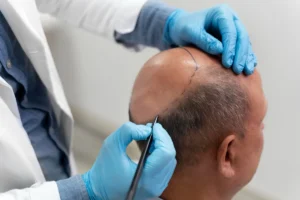
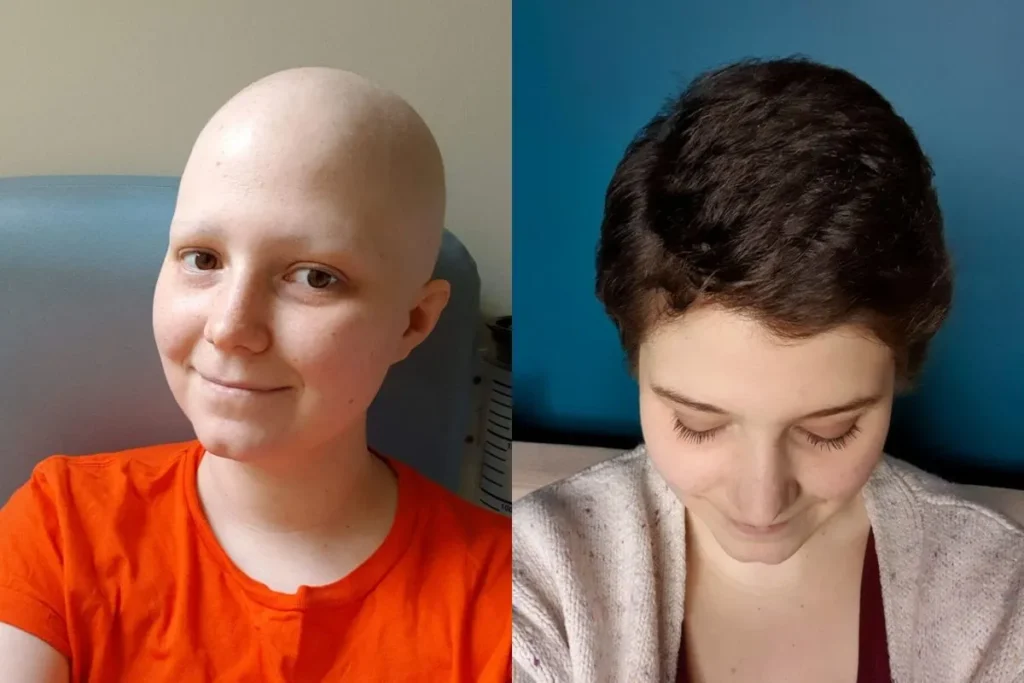
Cancer treatment is tough, and one of the hardest parts is chemotherapy-induced hair loss. It hits about 65% of those getting treatment.
This issue, known as chemotherapy-induced alopecia (CIA), causes a lot of emotional pain. It also lowers the quality of life. It’s key to know why CIA happens and how to help hair grow back.
But, the good news is that hair usually starts growing back 2-3 months after treatment stops. Simple steps like not washing your hair more than twice a week and using gentle shampoos help a lot.
Önemli Çıkarımlar
Chemotherapy-induced hair loss affects a significant majority of cancer patients.
Hair regrowth typically begins 2-3 months after treatment ends.
Gentle scalp care practices can promote hair growth.
Understanding the causes of CIA is key for managing it well.
Simple changes in hair care can help scalp health.
Understanding Chemotherapy Hair Loss
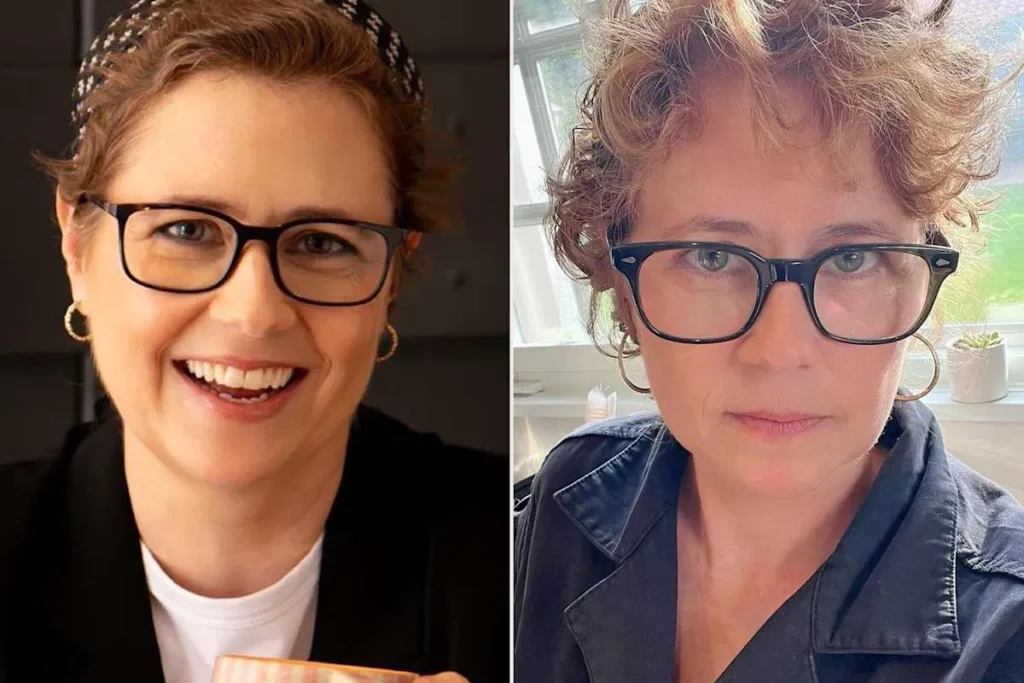
Many people face hair loss when they have chemotherapy. This is called alopecia. Knowing why it happens and when can help patients get ready for these changes.
Why Chemotherapy Causes Hair Loss
Chemotherapy targets fast-growing cells, like cancer and hair cells. The drugs harm hair follicles, causing hair loss. Hair cells grow quickly, making them vulnerable to chemotherapy.
Chemotherapy drugs disrupt the hair growth cycle. This leads to hair falling out. How much hair is lost depends on the treatment, dosage, and health.
Timeline of Hair Loss and Regrowth
Hair loss starts 1-3 weeks after chemotherapy begins. It can happen slowly or in big chunks. Knowing when it starts can help manage expectations.
Preparing for Hair Regrowth
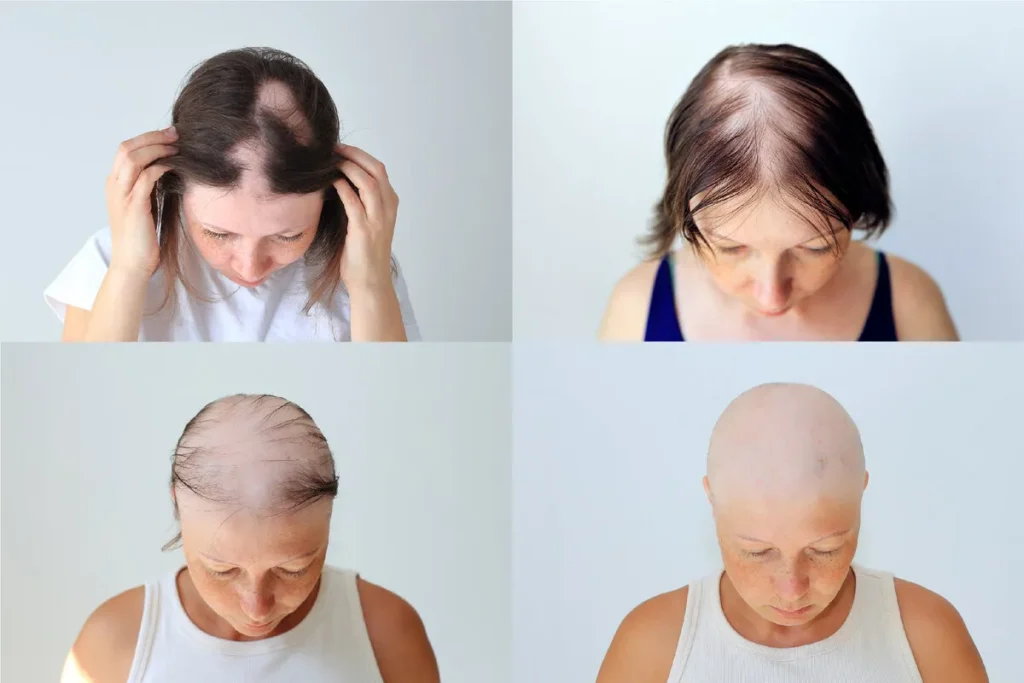
To start growing hair again after chemo, focus on scalp health, nutrition, and what to expect. These steps help prepare you for the hair growth journey.
Scalp Care During Treatment
Being gentle with your scalp during chemo is key. Use a mild shampoo, like baby shampoo, to avoid irritation. Stay away from hot tools like flat irons to protect your hair follicles.
Gently patting your hair dry instead of rubbing it hard can also help prevent damage.
Nutrition and Hydration for Healthy Follicles
Eating a balanced diet full of vitamins and minerals is important for hair growth. Nutrients like biotin, zinc, and vitamin D are key for hair health. Drinking enough water is also important to keep your scalp healthy and support hair growth.
Add foods rich in biotin, like eggs and nuts, to your meals.
Eat zinc-rich foods, such as oysters and beef.
Keep vitamin D levels up with sunlight, supplements, or fortified foods.
Managing Expectations
It’s important to manage your expectations about hair regrowth after chemo. Everyone grows hair at their own pace. It might take months to a year or more for hair to look like it did before treatment.
Setting realistic goals and celebrating small wins can make the wait easier. Trying out new hairstyles and accessories can also boost your confidence.
Effective Strategies to Promote Hair Growth After Chemotherapy
To help hair grow back after chemo, we need a few key steps. First, we must take care of our scalp gently. This means using mild shampoos and avoiding hot styling tools. These actions help protect our hair follicles.
Supplements like biotin and zinc are also important. They feed our scalp and help our hair grow. Rosemary oil and scalp massages can also help. They improve blood flow and reduce stress, which is good for hair growth.
Eating well is another important part of growing hair back. We should eat foods full of vitamins and minerals. Before trying new supplements or treatments, it’s best to talk to a doctor. They can make sure it’s safe for you.
By following these steps, we can help our hair grow back. It might take some time, but with the right care, we can regain our confidence. Growing hair back after chemo is possible with patience and the right approach.
SSS
Does chemotherapy or radiation cause hair loss?
Chemotherapy is systemic and can cause hair loss across the entire body, while radiation is localized and only affects the area where the beam is focused. Both treatments target rapidly dividing cells, which includes hair follicles, leading to temporary or sometimes permanent thinning.
Do chemo pills make you lose your hair?
Some oral chemotherapy pills can cause hair thinning or loss, though it is often less severe than intravenous treatment. Whether you lose hair depends on the specific drug, its dosage, and how your individual body responds to the medication.
How can I promote hair growth after chemotherapy?
To promote regrowth, maintain a diet rich in protein, iron, and biotin while using gentle, sulfate-free shampoos. Scalp massages can also help by increasing blood circulation to the follicles once your oncology team confirms your scalp is no longer sensitive.
What causes hair loss in cancer treatment?
Hair loss occurs because cancer treatments are designed to kill fast-growing cells. Since hair follicle cells are among the fastest-dividing in the body, they are frequently damaged alongside cancer cells, causing the hair to fall out.
How can I stimulate hair growth after chemotherapy?
You can stimulate growth by using a soft brush to gently massage the scalp and applying natural oils like rosemary or coconut to nourish the area. Some doctors also approve the use of topical minoxidil (Rogaine) once the scalp has fully healed from treatment.
Does everyone lose hair with chemotherapy?
No, not everyone loses their hair; it depends entirely on the type of drug and the dosage prescribed. While many common regimens cause significant shedding, some targeted therapies or lower-dose treatments may only result in mild thinning or no loss at all.
How long does it take for hair to regrow after chemotherapy?
A soft “peach fuzz” typically appears 3 to 4 weeks after treatment ends, with real hair growth starting within 2 months. Most people see a full covering of hair within 6 months, though the texture and color may temporarily differ from your original hair.
What helps hair growth after chemo?
Staying hydrated and eating a balanced, nutrient-dense diet are foundational for recovery. Additionally, using a silk pillowcase can reduce friction on fragile new strands, while avoiding high-heat styling tools prevents breakage as the hair gradually strengthens.
Why do cancer drugs cause hair loss?
Cancer drugs target the “machinery” of cell division to stop tumors from growing. Because hair follicles are highly active and divide every 23 to 72 hours, they are accidentally caught in the crossfire, leading to a disruption of the growth cycle.
Referanslar
JAMA Network. Evidence-Based Medical Insight. Retrieved from https://jamanetwork.com/journals/jamadermatology/fullarticle/2784689