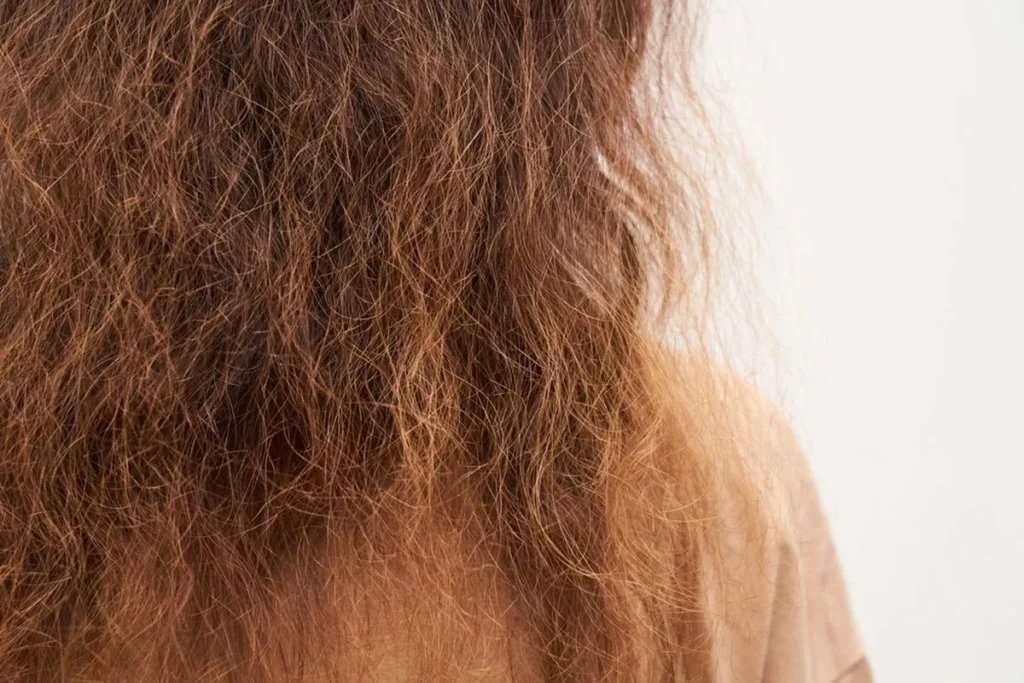
Coarse hair is thicker and wider than fine or medium hair. Knowing about coarse textured hair helps in choosing the right hair care.
Studies in trichology show that hair texture comes from genetics. Hair size varies from 17 to 180 micrometers among different groups. Coarse hair has a thicker cortex and cuticle, making it strong and durable.
Önemli Çıkarımlar
Coarse hair is thick and strong.
The size of hair follicles decides its texture.
Knowing about coarse hair is key for good hair care.
Coarse hair makes up 20 to 30 percent of hair types worldwide.
Right care and treatment can make coarse hair healthier and easier to manage.
The Definition and Coarse Hair Meaning
“Coarse hair” means hair that is thicker and wider. This affects how it looks, how easy it is to manage, and how it needs to be cared for. It’s different from finer hair types because of its thickness and strong structure.
Defining Coarse Hair by Diameter and Structure
Coarse hair is known for being wider, with a diameter over 0.08 millimeters. This makes it feel and look fuller, even if there’s less hair. Its structure is also stronger, which helps it resist breaking more than finer hair.
The size of coarse hair matters a lot. For example, its thickness makes it harder to style because it’s too heavy and thick.
How Coarse Hair Differs from Fine and Medium Hair
Coarse hair is very different from fine and medium hair. Fine hair is delicate and breaks easily, while coarse hair is strong and lasts longer. Medium hair is a mix, balancing ease of use and texture.
Knowing these differences helps in choosing the right hair care. For instance, coarse hair needs more moisturizing and conditioning. Fine hair, on the other hand, might need lighter products to avoid being weighed down.
Understanding coarse hair’s unique traits helps people deal with its challenges and benefits. This way, they can love and care for their natural hair texture.
Biological and Genetic Factors of Coarse Hair
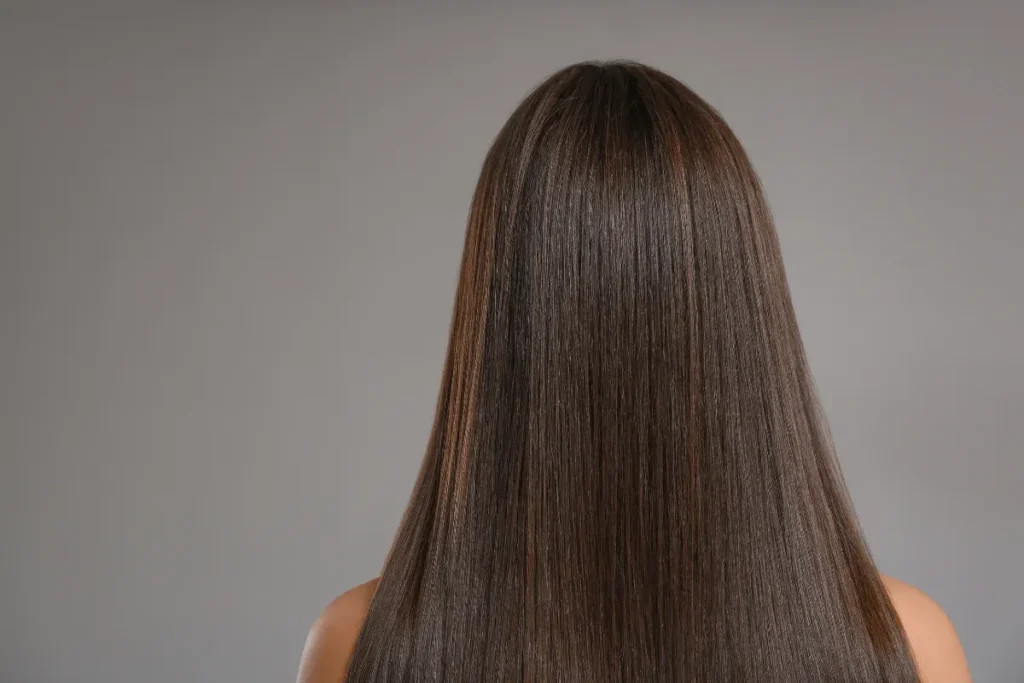
Understanding the genetic basis of coarse hair can provide insights into its characteristics and management. Coarse hair is mainly influenced by biological and genetic factors. The size and shape of hair follicles are key in determining hair texture.
The Science Behind Hair Follicle Size
The size and shape of hair follicles are key to hair texture. Research shows that larger, oval-shaped follicles produce thicker, coarser hair. Smaller, circular follicles produce finer hair.
The dimensions of hair follicles are genetically determined. This genetic influence is a big factor in hair coarseness. Studies show that the diameter of the hair follicle is directly linked to hair shaft thickness. So, people with larger follicles tend to have coarser hair.
Ethnic and Genetic Variations in Coarse Textured Hair
Ethnic variations also play a big role in hair texture. Different populations have distinct hair characteristics. For example, people of African descent often have tightly coiled hair due to elliptical follicles. Those of European descent tend to have straighter hair due to circular follicles.
These ethnic variations come from genetic adaptations to different environments over generations. Knowing these variations helps in developing hair care strategies for specific hair types.
Key Factors Influencing Coarse Hair:
Genetic determination of hair follicle size and shape
Ethnic variations in hair texture
Structural differences in hair follicles among different populations
By recognizing the biological and genetic factors of coarse hair, individuals can understand their hair better. They can then adopt the right care techniques to manage and enhance their hair’s natural qualities.
Characteristics and Management of Coarse and Thick Hair
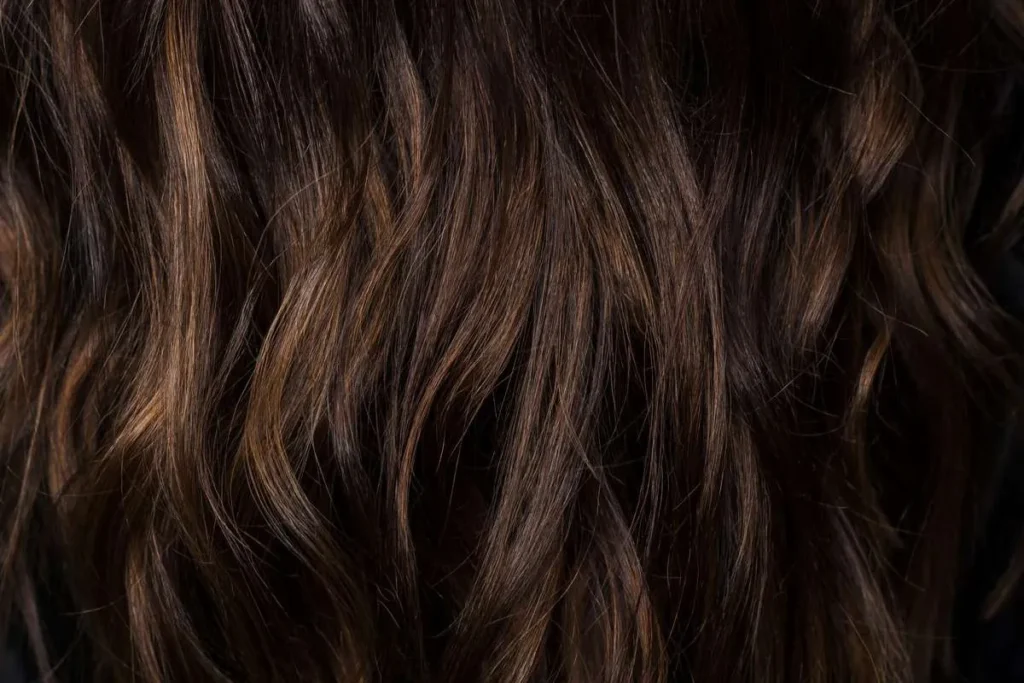
Coarse hair needs special care and styling. It’s thick and strong, but also dry and frizzy. This makes it hard to keep it healthy.
Physical Properties and Resilience
Coarse hair is thicker than fine or medium hair. This makes it strong against damage. But, it’s hard to style and manage without the right tools.
Key physical properties of coarse hair include:
Thick and rigid strands
Higher resistance to breakage
Prone to dryness and frizz
Styling Challenges and Opportunities
Styling coarse hair can be tough but rewarding. It’s great for braids and twists that last long. But, getting sleek styles is hard because of its texture.
To overcome styling challenges, consider the following tips:
Use moisturizing products to hydrate the hair.
Minimize heat styling to prevent damage.
Employ protective styling techniques to reduce manipulation.
Effective Care Techniques for Coarse Hair Types
For coarse hair, the right products and techniques are key. Use moisturizing shampoos and conditioners. Also, use a wide-tooth comb or detangling brush to avoid breakage.
Effective care techniques include:
Using moisturizing shampoos and conditioners
Avoiding excessive heat styling
Protective styling to minimize manipulation
Conclusion: Embracing Your Coarse Hair Texture
Understanding and embracing coarse hair texture is key to good hair care. Knowing what makes your hair unique helps you take better care of it. This way, you can get healthier, easier-to-manage hair.
Coarse hair is strong and special, needing its own care. With the right methods, it can show off many styles and looks.
It’s not just about accepting coarse hair. It’s about loving its strengths and beauty. By taking good care of it, you can make your hair look its best.
Whether your hair is tough or coarse, knowing its needs is important. The right care can make your coarse hair look great and healthy.
SSS
What Is Coarse Hair?
Coarse hair features thick strands with large diameter (>0.08mm), giving a wiry, rigid texture.
How Is Coarse Hair Defined?
Thicker, wider individual strands than fine (<0.05mm) or medium (0.05-0.08mm) hair.
Characteristics of Coarse Hair?
Rough feel, dryness-prone, frizz tendency, high porosity, strong but less elastic.
Coarse vs. Fine/Medium Hair?
Coarse: thicker shafts, drier, more volume; fine: thin/delicate; medium: balanced moisture.
What Determines Coarse Texture?
Genetics control follicle shape and keratin structure; ethnicity influences cuticle prominence.
Managing Coarse Hair Effectively?
Deep condition weekly, use heavy oils (shea/coconut), wide-tooth comb, avoid heat.
Benefits of Coarse Hair?
Natural strength resists breakage, holds styles well, appears fuller/voluminous.
Ethnic Variations in Coarse Hair?
Common in African/Asian descent; tighter curls increase roughness vs. straighter coarse types.
Referanslar
Ulusal Biyoteknoloji Bilgi Merkezi. Kanıta Dayalı Tıbbi Öngörü. Erişim adresi https://pmc.ncbi.nlm.nih.gov/articles/PMC11846515/[5