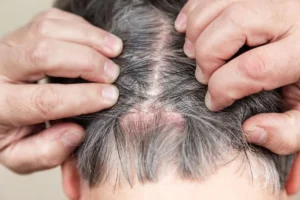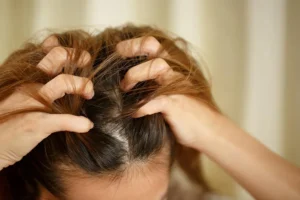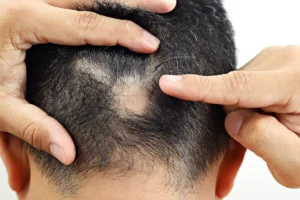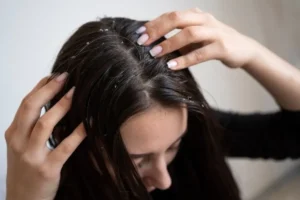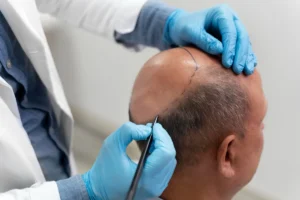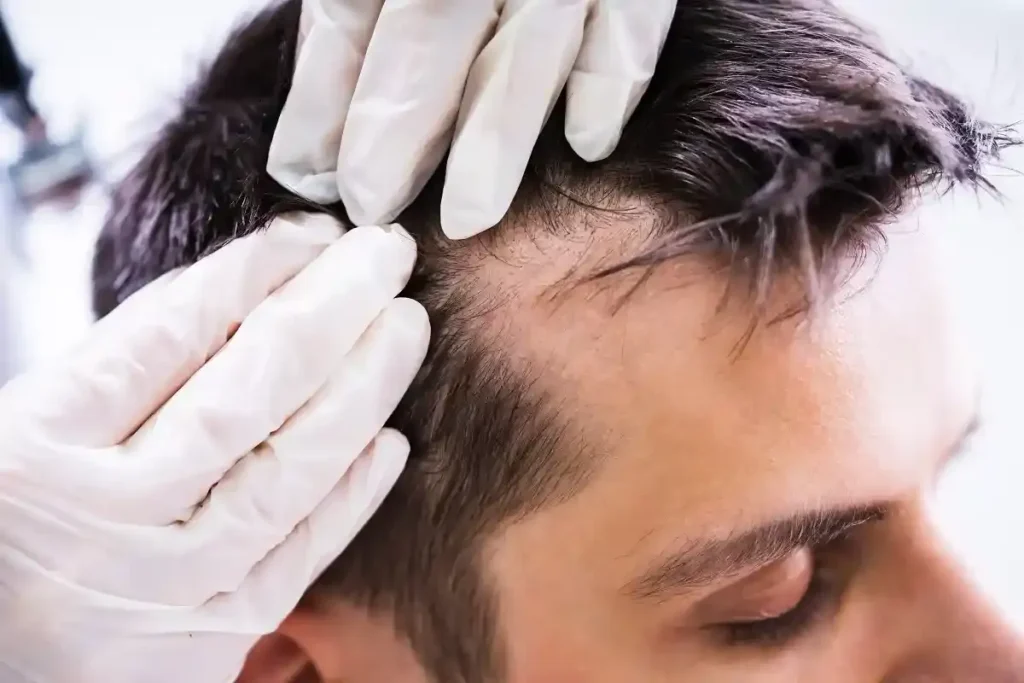
Hair thinning on the crown is a big worry for many. By age 35, about 66% of American men start to lose hair, mainly at the crown area. This number jumps to 85% by age 50, affecting how people feel about themselves and their lives.
Stop crown of head balding with these powerful easy fixes. Learn how to regrow hair at the vertex and hide thinning spots with amazing results.
It’s important to tackle hair loss, and science has made big strides. At Gold City Hair, we use top-notch dermatology and new treatments. We focus on making hair look natural and thick again, boosting confidence.
Önemli Çıkarımlar
Understand the prevalence and emotional impact of crown hair thinning.
Learn about the 5 proven methods to stop hair thinning on the crown.
Discover how modern hair restoration techniques can provide natural, dense results.
Explore the benefits of personalized care and expert transparency in hair restoration.
Find out how to achieve lifetime results with the right treatment approach.
Understanding Crown of Head Balding: Causes and Signs
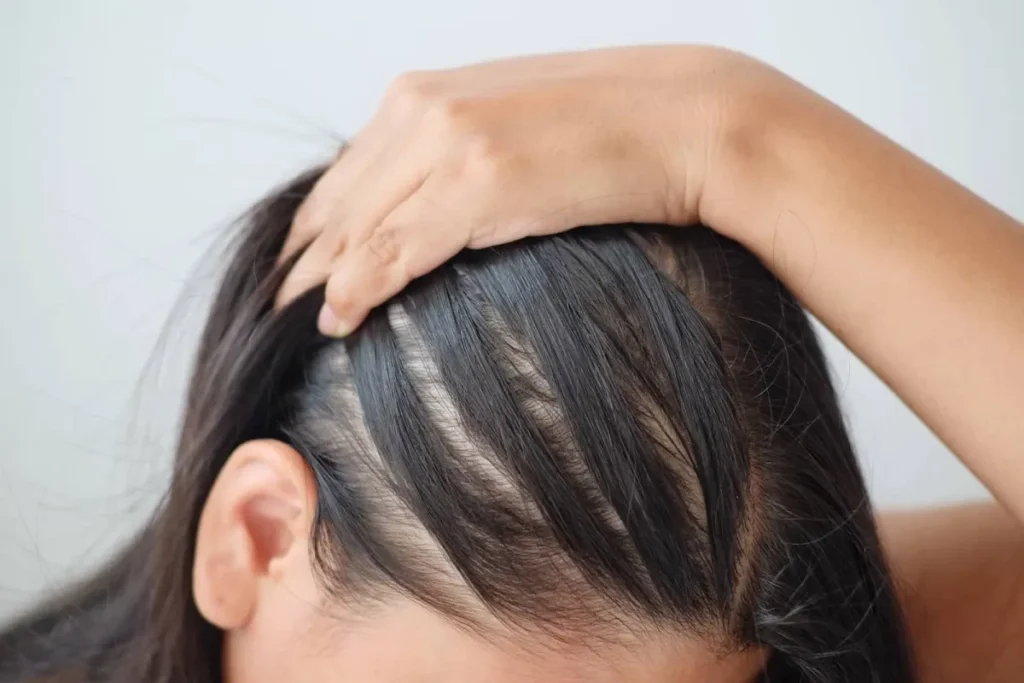
It’s important to know the causes and signs of crown balding early. This is because crown balding is hair thinning or loss at the top back of the scalp. It’s common, mainly in those with androgenetic alopecia.
The Science Behind Crown Hair Loss and DHT
Crown hair loss is often due to hair follicles in the crown area being sensitive to dihydrotestosterone (DHT). DHT weakens these follicles, causing hairs to become thinner and shorter. Eventually, you lose hair. Kopelman Hair says this sensitivity is mostly genetic, making some more likely to lose hair at the crown.
Key factors contributing to crown hair loss include:
Genetic predisposition
Hormonal imbalances, like the conversion of testosterone to DHT
Age-related changes
Understanding these factors can help you regain your confidence.
Identifying Early Signs of Thinning Hair on Crown Male
Spotting crown balding early is key to managing it. Look out for:
A widening part or a larger balding area
Thinning or shortening of hair on the crown
Increased shedding or hair loss during combing or washing
Hair restoration experts say early action can greatly improve results. A free analysis can guide you on the best steps.
By spotting these signs and knowing the causes, you can start working towards your hair goals. This can help you regain your confidence.
5 Proven Methods to Stop Hair Thinning Crown
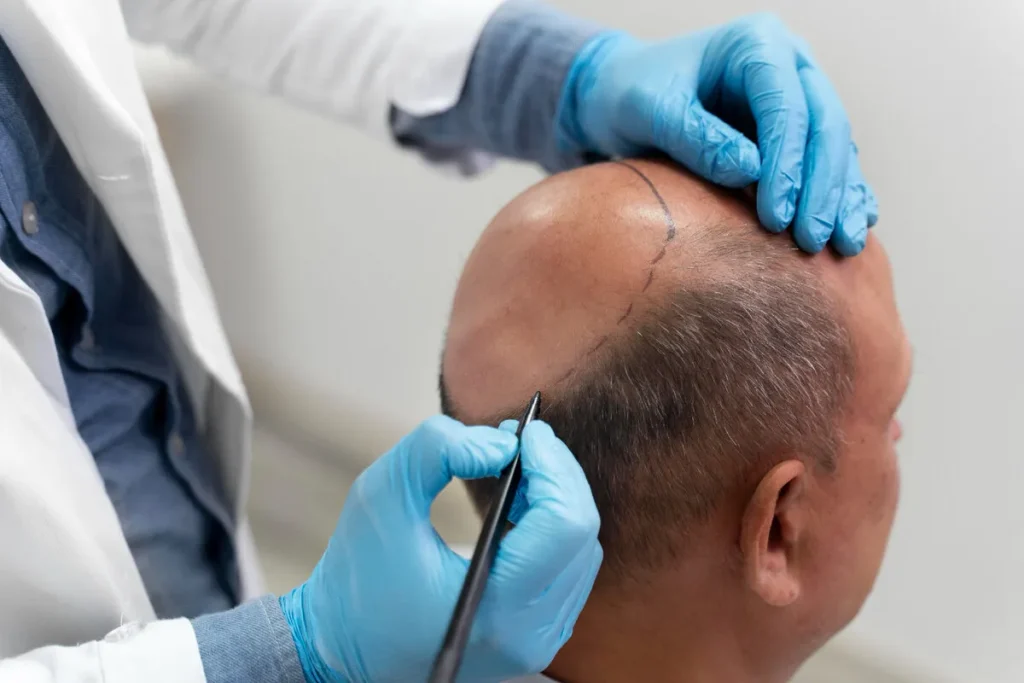
Stopping hair thinning on the crown needs a mix of methods. We’ll look at effective ways to fight crown hair loss.
Method 1: FDA-Approved Medications
FDA-approved meds are key for crown hair thinning. Minoxidil and finasteride are top choices. They slow hair loss and boost growth.
Minoxidil goes on the scalp, and finasteride is taken by mouth. Both are safe and work well against hair loss.
Method 2: Nutritional Approaches for Crown Health
Eating right is vital for healthy hair. Foods packed with omega-3 fatty acids, zinc, and biotin aid hair growth and prevent loss.
Method 3: Scalp Care and Massage Techniques
Good scalp care and massages boost hair growth. Regular scalp massages improve blood flow, helping hair grow.
Use gentle, sulfate-free shampoos
Massage your scalp regularly
Avoid excessive heat styling
Method 4: Lifestyle Changes to Combat Crown Baldness
Changing your lifestyle can fight crown baldness. Stress reduction through meditation and exercise boosts overall health, including hair.
Quitting smoking and cutting down on alcohol also helps hair health.
Conclusion: Taking Action Against Crown Hair Thinning
Regaining confidence starts with taking action against crown hair thinning. Early detection and treatment can make a big difference, says Kopelman Hair. By understanding the causes and signs of balding on the crown, individuals can start restoring their hair.
The 5 proven methods discussed earlier, including FDA-approved medications, nutritional approaches, scalp care, and lifestyle changes, offer a complete solution. By using these methods, individuals can stop hair thinning on the crown and promote healthy hair growth.
Seeking professional help is key in addressing baldness in the crown area. Experts can help individuals regain their confidence and achieve a fuller head of hair. By taking action today, individuals can say goodbye to balding on the crown and hello to a more confident tomorrow.
SSS
What are the main causes of hair thinning on the crown?
Hair thinning on the crown is most often caused by androgenetic alopecia (pattern baldness), hormonal changes, stress, aging, or nutritional deficiencies. Scalp conditions or medical issues can also contribute.
How can I identify if I’m losing crown hair?
Aramak için a visible scalp at the crown, wider part lines, reduced hair density, or finer hair strands compared to surrounding areas. Photos over time can help track changes.
Are there any effective treatments for balding on the crown?
Yes, treatments include topical minoxidil, oral medications like finasteride, PRP therapy, low-level laser therapy, and hair transplantation. Early treatment usually gives better results.
Can nutritional changes help stop hair thinning on the crown?
A balanced diet rich in protein, iron, zinc, vitamins, and omega-3 fatty acids can support hair growth and follicle health, though it may not fully reverse genetic hair loss.
How does scalp massage help with crown hair loss?
Scalp massage can increase blood circulation, stimulate hair follicles, reduce tension, and improve the absorption of topical treatments, supporting healthier hair growth.
Is hair transplantation a viable option for crown balding?
Yes, if hair loss is stable and permanent, hair transplantation can restore density in the crown, provided there is sufficient donor hair.
Can lifestyle changes really make a difference in combating crown hair loss?
Yes, reducing stress, avoiding harsh chemicals, protecting hair from heat, and maintaining a healthy diet can slow thinning and improve overall hair quality.
How long does it take to see results from hair loss treatments?
Noticeable improvement usually takes 3–6 months, with full results often seen after up to 12 months, depending on the treatment and individual hair growth rate.
Are there any risks associated with hair restoration treatments?
Risks vary by treatment. They can include scalp irritation, allergic reactions, infection, scarring, or uneven growth. Choosing a qualified professional reduces the likelihood of complications.
Referanslar
Ulusal Biyoteknoloji Bilgi Merkezi. Kanıta Dayalı Tıbbi Öngörü. Erişim adresi https://pubmed.ncbi.nlm.nih.gov/11907503/