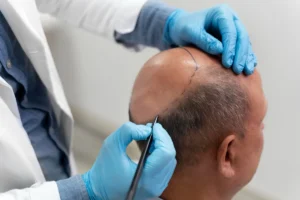
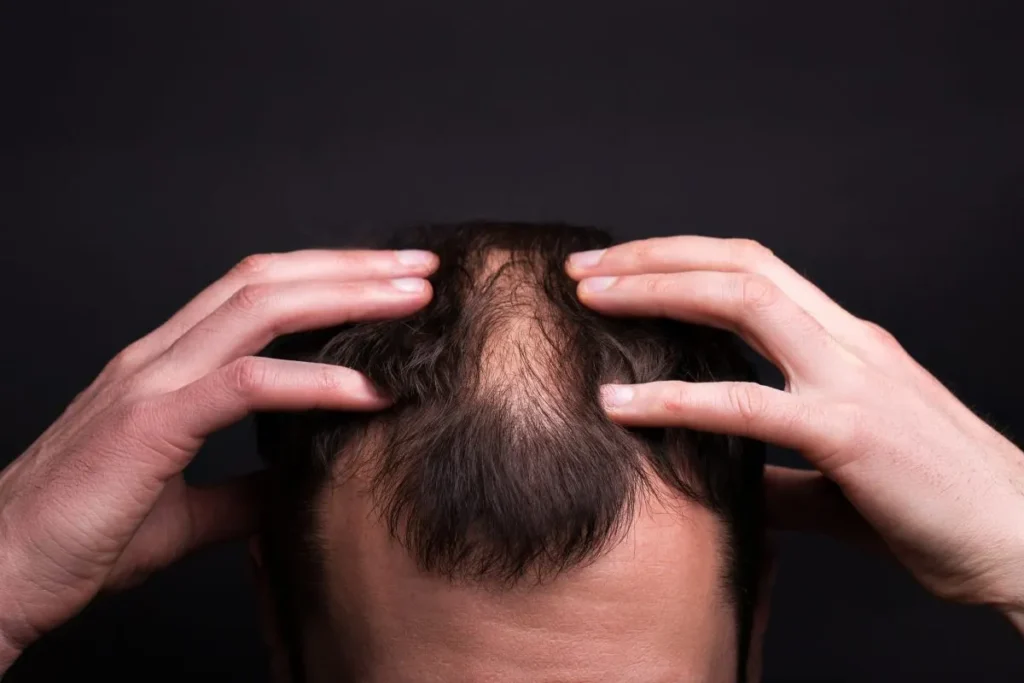
Cymbalta, also known as duloxetine, is a common medication for mental health and chronic pain. It’s effective for many, but some users worry about hair loss. It’s important for those taking Cymbalta to know about the risk of hair loss.
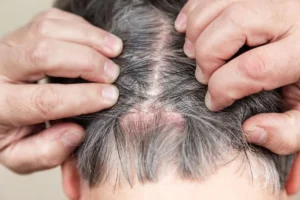
Studies and user reports suggest a link between duloxetine and hair loss. This is usually seen as telogen effluvium. While it’s not a common side effect, it does happen to some. The good news is that hair loss often goes away once the medication is stopped or changed.
Önemli Çıkarımlar
Cymbalta (duloxetine) is associated with hair loss in some patients.
The condition is typically reversible upon stopping or adjusting the medication.
Hair loss manifests as telogen effluvium, affecting a small percentage of users.
Understanding the possible side effects is key for making informed health choices.
It’s important for patients to be aware of the link between Cymbalta and hair loss.
Understanding Cymbalta and Its Uses
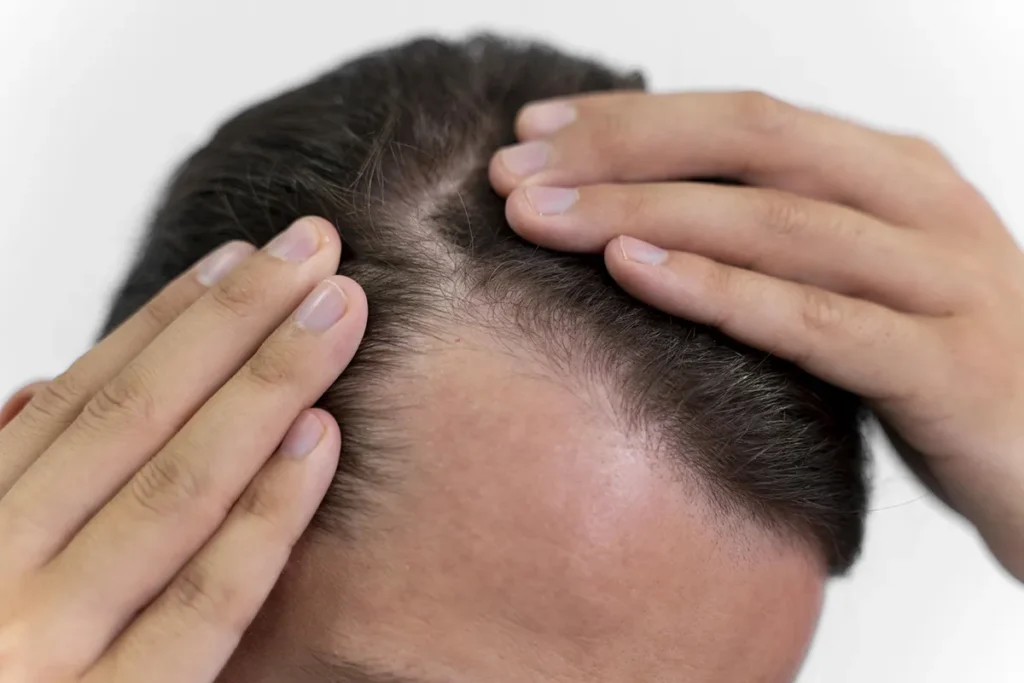
To understand Cymbalta’s side effects, we need to know what it is and how it’s used. Cymbalta, also known as duloxetine, is a type of medication. It belongs to a group called serotonin-norepinephrine reuptake inhibitors (SNRIs). SNRIs help increase certain brain chemicals, improving mood and reducing pain.
What Is Cymbalta (Duloxetine)?
Cymbalta is a prescription drug used for mental health and chronic pain. It balances brain chemicals to manage depression, anxiety, and other mood disorders. It also helps with fibromyalgia and neuropathic pain.
Cymbalta works by stopping the brain from reabsorbing serotonin and norepinephrine. These chemicals are key for mood and pain. By keeping them available, Cymbalta boosts their effects in the brain.
Common Conditions Treated with Cymbalta
The FDA has approved Cymbalta for several conditions. These include major depressive disorder, generalized anxiety disorder, fibromyalgia, diabetic peripheral neuropathy, and chronic musculoskeletal pain. Cymbalta’s ability to treat various conditions makes it a valuable option for many.
Knowing how Cymbalta works and what it treats helps patients understand its role in their health. It’s also important to be aware of its side effects and benefits. We’ll discuss these in the following sections.
Does Cymbalta Cause Hair Loss? The Evidence
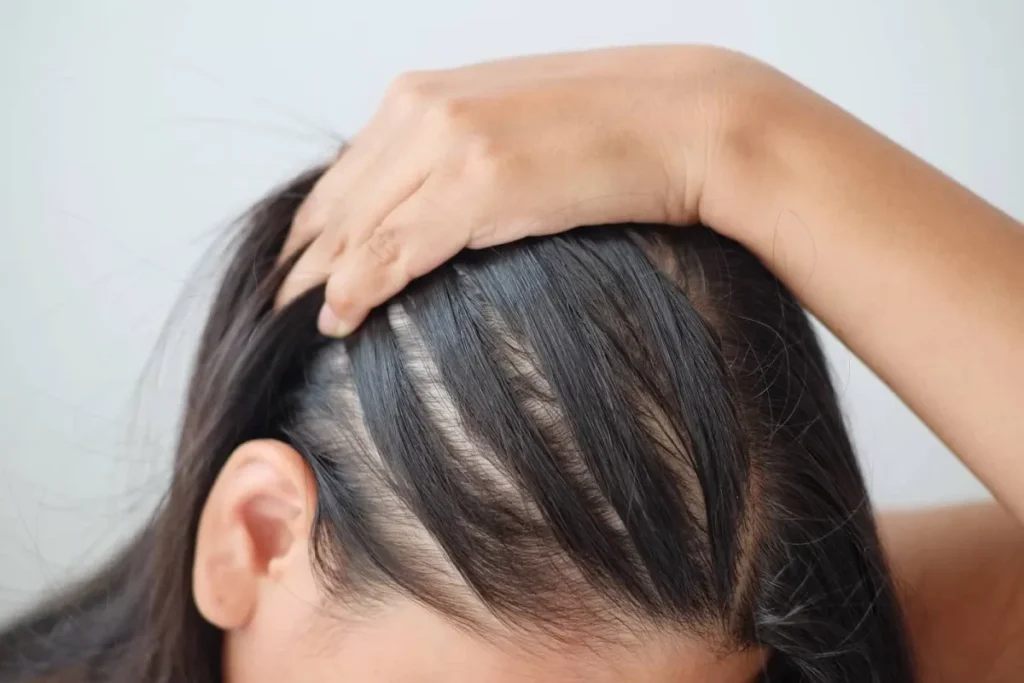
Research shows a possible link between Cymbalta and hair loss. This calls for a closer look at the studies.
Research Findings on Cymbalta and Hair Loss
Many studies have looked into Cymbalta and hair loss. A big study with over a million people found duloxetine has a low risk of hair loss. But, when it does happen, it’s usually telogen effluvium, where a lot of hair falls out.
This study is important because it shows how different antidepressants compare in causing hair loss. Telogen effluvium is a common reason for hair loss in people on meds, including antidepressants.
Comparison to Other Antidepressants
Cymbalta’s risk of hair loss is different from other antidepressants. For example:
Bupropion: It has a higher risk of hair loss than duloxetine.
SSRIs: These drugs can cause hair loss, but it’s not very common.
TCAs: Tricyclic antidepressants might cause hair loss, but the evidence is not as strong.
Knowing these differences helps patients and doctors choose the best treatment.
How Cymbalta May Trigger Hair Loss
Why Cymbalta might cause hair loss is not clear. But, a few things might play a part:
Hormonal changes: Cymbalta could change hormone levels, leading to hair loss.
Stress and anxiety: The drug’s effect on stress and anxiety might also cause hair loss.
Individual susceptibility: Some people might be more likely to lose hair on Cymbalta because of their genes or other factors.
More research is needed to understand how Cymbalta affects hair loss.
Managing Hair Loss While Taking Cymbalta
Patients on Cymbalta might notice hair loss. It’s key to talk to a doctor about this. They can figure out why it’s happening and suggest changes to your treatment.
For those dealing with hair loss, adjusting the Cymbalta dose or switching meds might help. Using minoxidil on your scalp can also be beneficial. Taking care of your hair gently and eating well can also help you feel better.
Some people on Cymbalta might also face issues like diarrhea or constipation. These problems aren’t directly linked to hair loss but can make you feel uncomfortable. It’s important to manage these side effects to stay healthy.
By talking to your doctor and trying different approaches, you can lessen the chance of hair loss from Cymbalta. Knowing about common side effects like hair loss and diarrhea can help you make better choices about your treatment.
SSS
Cymbalta and Hair Loss
Hair loss is a rare but documented side effect of Cymbalta (duloxetine), appearing in a small fraction of patients during clinical trials and post-marketing reports. While it is not a primary side effect for the majority of users, it is recognized as a potential reaction to the medication’s influence on the body’s physiological balance.
Typical Presentation of Hair Loss
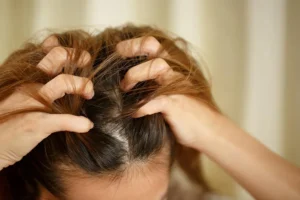
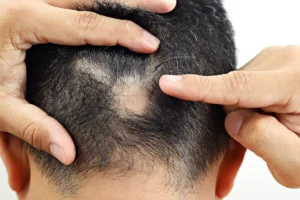
The hair loss associated with Cymbalta typically presents as diffuse thinning across the entire scalp rather than distinct bald patches or a receding hairline. Users often notice increased shedding during brushing or showering, a condition known as telogen effluvium, where more hair follicles enter the shedding phase simultaneously.
Mechanism of Cymbalta-Related Hair Loss
Cymbalta may cause hair loss by triggering a stress response in the hair follicles, shifting them from the growth phase into the resting phase prematurely. This shift is often a systemic reaction to the introduction of the chemical compounds in the medication, which can temporarily disrupt the natural cycle of hair regeneration.
Frequency of Hair Loss Side Effects
Hair loss is considered an infrequent side effect of Cymbalta, occurring in less than 1% of the population taking the drug. Because it is statistically rare, it is often evaluated alongside other factors like stress, nutrition, or underlying health conditions to confirm if the medication is the primary cause.
Managing Hair Loss During Treatment
Managing hair loss while on Cymbalta involves maintaining optimal scalp health and ensuring a diet rich in vitamins like biotin, iron, and zinc to support the follicles. Gentle hair care routines and stress management techniques can also help mitigate the impact of telogen effluvium while your body adapts to the medication.
Discontinuing Cymbalta for Hair Loss
You should never stop taking Cymbalta abruptly due to hair loss, as this can lead to severe withdrawal symptoms and a relapse of the condition being treated. If hair thinning becomes a major concern, it is essential to consult your healthcare provider to discuss a supervised tapering plan or a switch to an alternative medication.
Duloxetine and Constipation
Constipation is a common side effect of duloxetine because the medication affects neurotransmitters that play a role in digestive tract motility. Many patients find that increasing fiber intake and staying well-hydrated can help manage this gastrointestinal side effect during the initial weeks of treatment.
Cymbalta and Drowsiness
Drowsiness and fatigue are frequently reported side effects of Cymbalta, as the medication alters brain chemistry to manage pain and mood. Because it can impair your alertness, doctors often recommend taking the dose at bedtime or avoiding heavy machinery until you know how the drug specifically affects your energy levels.
Cymbalta and Diarrhea
Diarrhea is another potential gastrointestinal side effect of Cymbalta, often occurring as the body adjusts to the changes in serotonin levels within the gut. While usually temporary, persistent diarrhea should be monitored to prevent dehydration and discussed with a medical professional if it does not resolve quickly.
Minimizing Hair Loss Risks
Minimizing the risk of hair loss while on Cymbalta involves proactive wellness, such as staying hydrated and avoiding harsh chemical hair treatments that could further stress the follicles. Ensuring your thyroid levels and iron stores are within a healthy range can also provide a stronger foundation for hair retention during your treatment.
Referanslar
National Center for Biotechnology Information. Evidence-Based Medical Insight. Retrieved from https://pubmed.ncbi.nlm.nih.gov/28763345/