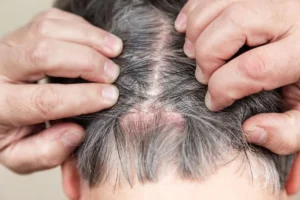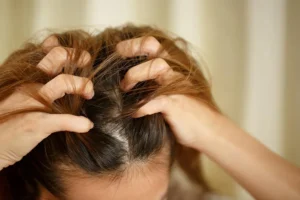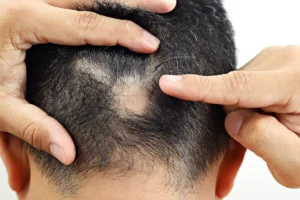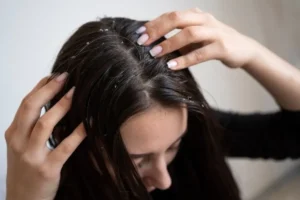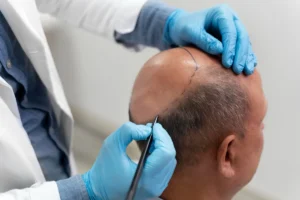
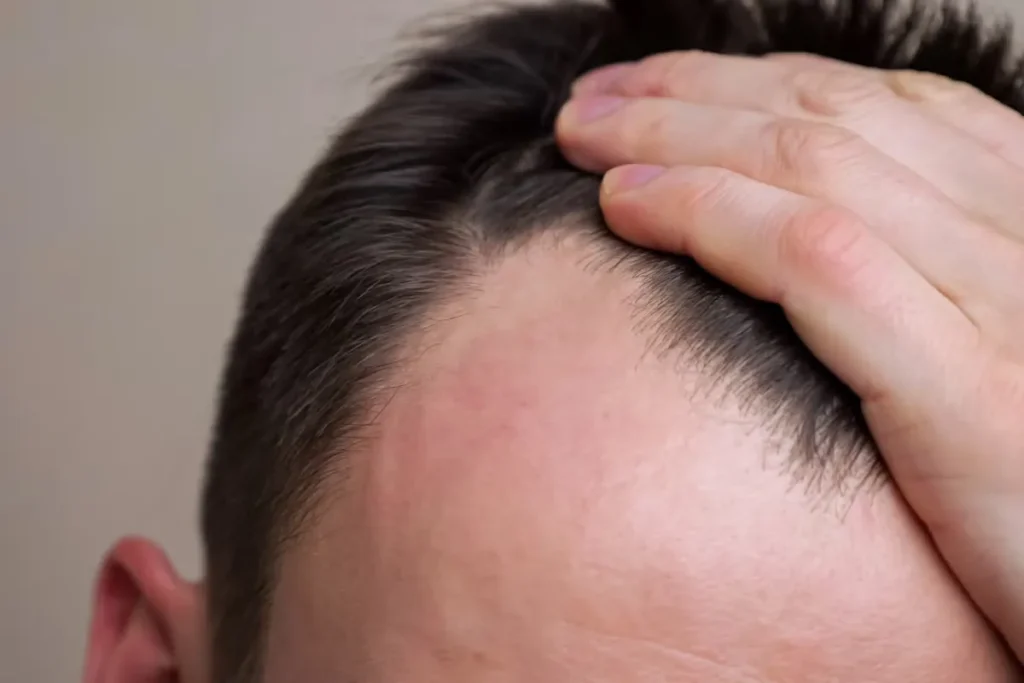
Frontal Fibrosing Alopecia (FFA) is a type of hair loss that mainly hits women after menopause. It makes the hairline recede and causes a lot of emotional pain. Regaining confidence is very important for those dealing with this issue.
It’s vital to manage FFA well to stop it from getting worse and to improve life quality. At gold city hair, we offer full care based on solid evidence. This ensures the best results for our patients.
This article will look at ways to treat FFA and make lifestyle changes. We aim to help you get dream hair and feel confident again.
Önemli Çıkarımlar
Understanding FFA and its symptoms is key to managing it well.
There are many treatments to stop the disease from getting worse.
Making lifestyle changes can greatly help in managing FFA.
Getting full care is important for a better quality of life.
Regaining confidence through good FFA management is possible.
Understanding Frontal Fibrosing Alopecia
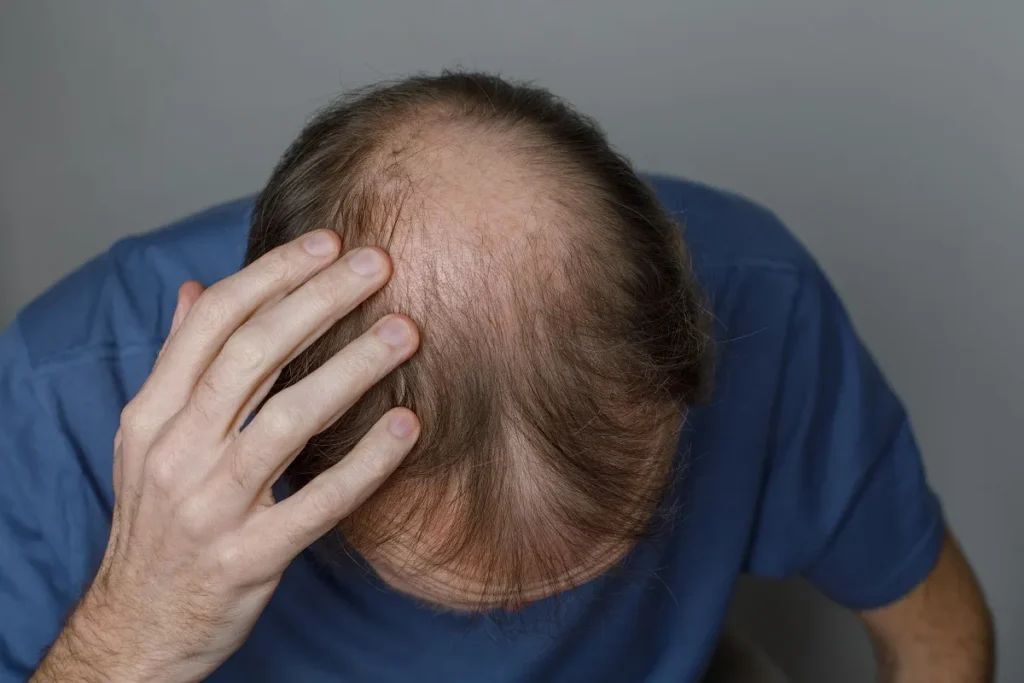
Frontal fibrosing alopecia is a type of hair loss that scars the hairline and eyebrows. It causes a lot of distress for those who have it. The hairline and eyebrows are affected in a band-like pattern, with most women losing 80% to 90% of their eyebrows.
Clinical Characteristics and Diagnosis
To diagnose frontal fibrosing alopecia, doctors look at the hairline and history. Key clinical features include a receding hairline and eyebrow loss. Sometimes, body hair is lost too. Dermoscopy helps by showing signs like redness and scaling around the hair follicles.
Knowing these signs well is key to making the right diagnosis. It helps tell it apart from other hair loss conditions.
Common Symptoms and Progression
Frontal fibrosing alopecia progresses slowly, leading to more hair loss over time. People often feel itching or burning on their scalp, mainly at the hairline.
Early detection is important. It allows for early treatment, which can slow down or stop the disease.
Risk Factors and Possible Causes
The exact cause of frontal fibrosing alopecia is not known. But, some risk factors have been found. These include hormonal changes, genetics, and environmental factors.
Knowing these risk factors helps in creating a treatment plan that fits the individual’s needs.
Medical Treatment Options for Frontal Fibrosing Alopecia

For those with Frontal Fibrosing Alopecia, there are several medical treatments. The right treatment depends on how severe and fast the disease is getting.
Topical Anti-inflammatory Medications
Topical corticosteroids are often the first choice for FFA. They help lessen inflammation and slow the disease’s spread. Maximum results come from regular use and a doctor’s advice.
How well these treatments work can differ. It’s key to watch your condition closely. Sometimes, intralesional triamcinolone acetonide injections are suggested for specific treatment.
Systemic Medications
For more serious FFA, doctors might suggest hydroxychloroquine or methotrexate. These drugs calm the immune system and cut down inflammation. Always talk about the possible side effects and benefits with your doctor.
Hydroxychloroquine: Used for its anti-inflammatory effects.
Methotrexate: Often paired with other treatments for better results.
Injectable and Advanced Therapies
Injectable treatments, like intralesional corticosteroid shots, offer focused relief. Advanced therapies might be considered if other treatments fail. Regain your confidence with these modern treatments.
Seeing a healthcare professional is key to finding the right treatment. They offer personalized care and help you choose the best options.
Lifestyle Management and Self-Care Strategies
Managing Frontal Fibrosing Alopecia needs a whole-body approach. This includes gentle scalp care, changing your diet, and using makeup tricks. These steps can help you manage your condition and live better.
Scalp Care and Product Selection
Scalp care is key for those with Frontal Fibrosing Alopecia. Use mild, sulfate-free shampoos and avoid harsh chemicals. Also, don’t overdo heat styling and use a wide-tooth comb to gently comb your hair.
Choosing the right hair care products is also vital. Look for products made for sensitive scalps. They should have ingredients like saw palmetto or biotin to help your scalp.
Dietary Considerations and Supplements
Eating a balanced diet is important for scalp health. Include foods rich in omega-3s, zinc, and antioxidants. These can help fight inflammation and encourage hair growth. Some people might also benefit from biotin or vitamin D supplements, but talk to a doctor first.
Eating anti-inflammatory foods like turmeric, ginger, and green veggies is good too. Drinking lots of water is also key for keeping your scalp healthy.
Cosmetic Camouflage Techniques
Cosmetic tricks can help hide Frontal Fibrosing Alopecia. Use hair fibers, scalp micropigmentation, or style your hair to cover bald spots. A stylist who knows about alopecia can give you tailored advice.
Try different hairstyles and use products that add volume or texture. Find what works for you and your hair.
Sonuç
Frontal Fibrosing Alopecia (FFA) can really affect a person’s life. It’s important to start treatment early and make lifestyle changes. These steps can help slow down hair loss and encourage new growth.
Knowing about FFA’s symptoms, diagnosis, and risk factors helps a lot. People can then get professional help and manage their condition well. There are many treatments, like creams and pills, to fight FFA.
But, it’s not just about medicine. Taking care of your scalp and eating right are also key. Using makeup to hide hair loss can also boost your confidence.
With the right treatment and lifestyle changes, you can have a full head of hair for life. Finding a good partner and making a care plan can help. This way, you can start a journey to regain your confidence and have the hair you want.
SSS
What is Frontal Fibrosing Alopecia (FFA)?
Frontal Fibrosing Alopecia is a type of scarring hair loss that causes gradual recession of the hairline, usually along the front and sides of the scalp. It can also affect eyebrows and sometimes other body hair.
What are the symptoms of Frontal Fibrosing Alopecia?
Belirtiler şunları içerir a receding hairline, thinning or loss of eyebrows, redness or small bumps on the scalp, itching, and smooth or shiny areas where hair is lost.
What causes Frontal Fibrosing Alopecia?
The exact cause is unknown, but it is believed to involve autoimmune reactions, hormonal changes, and possibly genetic predisposition.
How is Frontal Fibrosing Alopecia diagnosed?
Diagnosis is made through clinical examination, medical history, and sometimes a scalp biopsy to confirm scarring and rule out other causes of hair loss.
What are the treatment options for Frontal Fibrosing Alopecia?
Treatments aim to slow progression and may include topical or oral corticosteroids, anti-inflammatory medications, minoxidil, and hormone-modulating drugs. Early treatment is important to protect remaining hair.
Can Frontal Fibrosing Alopecia be cured?
No, there is no cure, but treatment can halt or slow hair loss and reduce symptoms.
How can I manage Frontal Fibrosing Alopecia through lifestyle changes?
Lifestyle strategies include avoiding harsh chemical treatments, minimizing heat styling, protecting the scalp from sun exposure, and maintaining overall scalp health.
Are there any cosmetic camouflage techniques for Frontal Fibrosing Alopecia?
Yes, options include eyebrow pencils, scalp powders, wigs, hair fibers, or hairstyles that cover thinning areas to improve appearance.
Is hair transplantation effective for Frontal Fibrosing Alopecia?
Hair transplantation may be considered if hair loss is stable and permanent, but it is usually done after medical treatments and is not suitable if the condition is actively progressing.
Where can I find support for managing Frontal Fibrosing Alopecia?
Support can be found through dermatologists, hair loss support groups, online forums, and patient advocacy communities that provide advice, emotional support, and treatment guidance.
Referanslar
Ulusal Biyoteknoloji Bilgi Merkezi. Kanıta Dayalı Tıbbi Öngörü. Erişim adresi https://pubmed.ncbi.nlm.nih.gov/33845164/