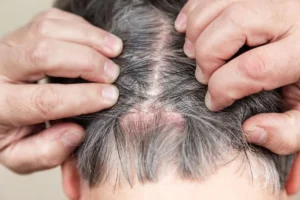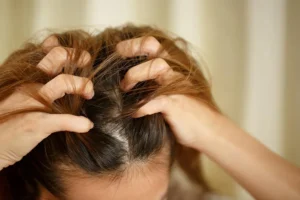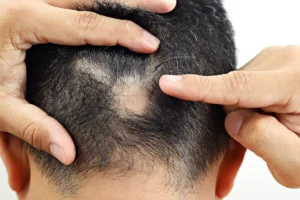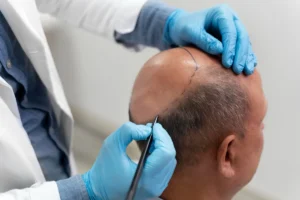
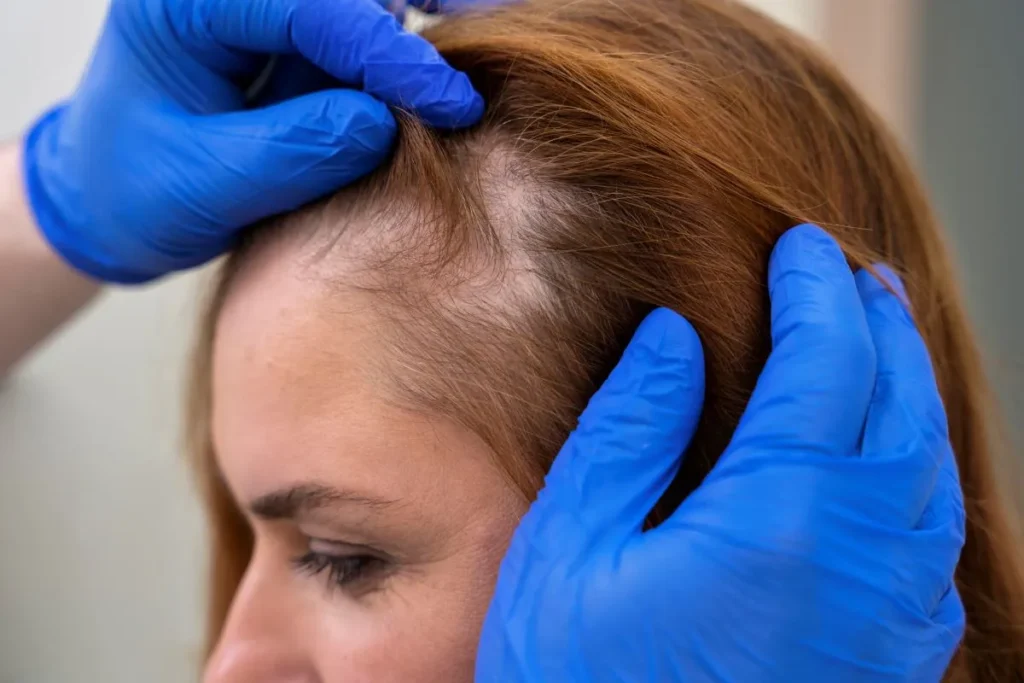
Frontal fibrosing alopecia is a tough hair loss condition that hits many, mostly women after menopause. It often goes unnoticed until a lot of hair is lost. Spotting it early and acting fast is key.
Get the best frontal fibrosing alopecia treatment for a major win. Learn how to stop scarring hair loss and protect your beautiful hairline now.
Getting your confidence back is a big goal for those with this condition. With more cases worldwide, knowing the causes, signs, and treatments is vital. It helps people regain their hair and self-assurance.
At our center, we use cutting-edge technology and personalized care to tackle this issue. We aim for a pain-free experience and lasting results. Our team is here to offer clear advice and support every step of the way.
Önemli Çıkarımlar
Frontal fibrosing alopecia is a type of scarring hair loss that mainly hits postmenopausal women.
Spotting it early and treating it fast is key to avoid permanent hair loss.
Using advanced tech and tailored care can greatly improve treatment results.
A pain-free and lasting outcome is possible with the right treatment.
Our team offers expert guidance and support every step of the way.
Understanding Frontal Fibrosing Alopecia
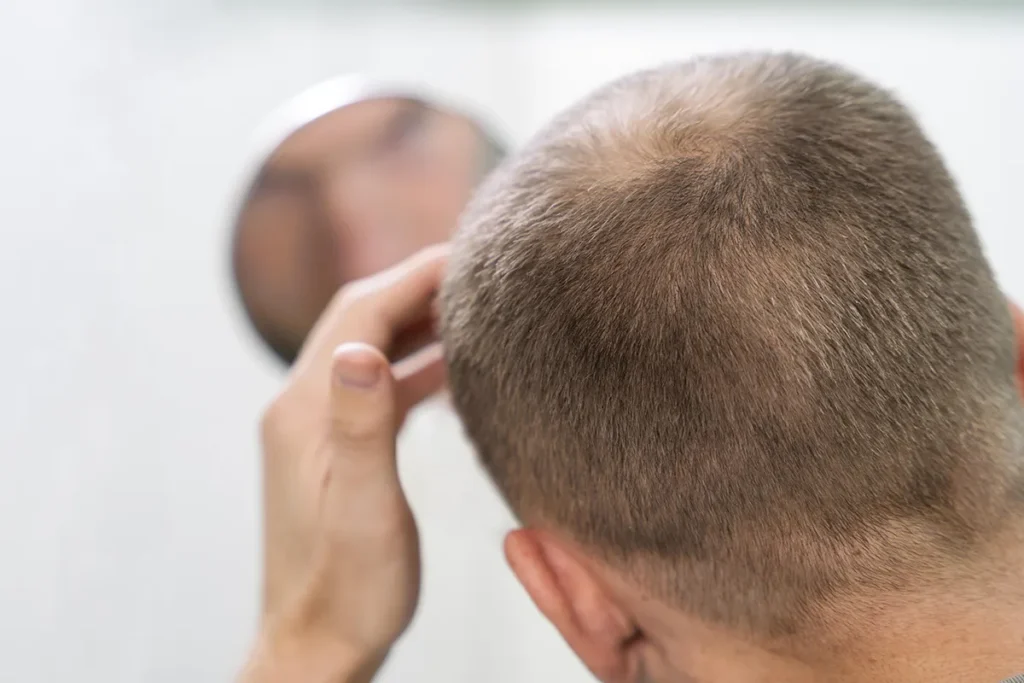
Frontal fibrosing alopecia is a type of hair loss that mainly hits women after menopause. It makes the hairline at the front and sides recede. This leaves behind shiny, thin skin.
What is FFA and Who Does it Affect?
FFA is a scarring hair loss that causes permanent hair loss. It mostly hits women after they stop menstruating. The exact reason for FFA is not known. But it’s thought to be caused by genetics, hormones, and the environment.
Key demographics affected by FFA include:
Postmenopausal women
Individuals with a family history of autoimmune diseases
Those with other autoimmune conditions
Signs and Symptoms
The symptoms of frontal fibrosing alopecia vary but often include:
Frontal and temporoparietal hairline recession
Loss of eyebrows
Presence of facial papules
Shiny, atrophic skin in areas of hair loss
Spotting the signs of FFA is the first step to getting treatment. It might help slow down the condition’s progress.
Causes and Risk Factors
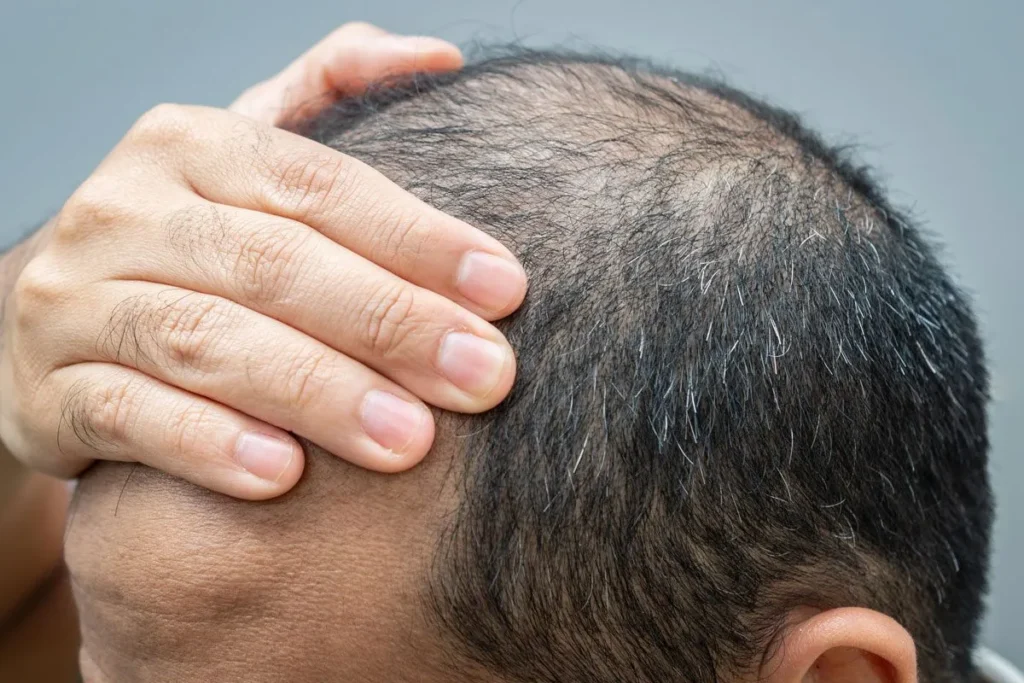
Frontal Fibrosing Alopecia is caused by many factors. These include genetics, autoimmune issues, hormones, and the environment. Knowing these causes helps us find better treatments.
Genetic and Autoimmune Factors
Genetics play a big role in Frontal Fibrosing Alopecia. Some groups are more likely to get it. Autoimmune diseases also raise the risk. This is because FFA is seen as an autoimmune condition, where the body attacks hair follicles by mistake.
People with a family history of autoimmune diseases are more at risk. This shows that genes can make you more likely to get FFA.
Hormonal Influences
Hormonal changes are also key in FFA. It mainly hits postmenopausal women. This suggests a link between hormonal shifts and FFA. Studies have shown that hormonal treatments can affect the disease’s progress.
Many FFA patients also have other hormonal or endocrine disorders. This supports the idea that hormones play a big role.
Environmental Triggers
Genetics and hormones are important, but the environment also matters. Exposure to certain chemicals and lifestyle choices are being looked into as triggers.
Learning about these environmental triggers can help manage and maybe prevent FFA from getting worse.
Frontal Fibrosing Alopecia Treatment Options
Managing frontal fibrosing alopecia (FFA) needs a deep understanding of treatment options. There’s no single way to treat FFA. Instead, a mix of therapies might be needed.
Anti-inflammatory and Immunosuppressive Agents
Anti-inflammatory and immunosuppressive agents are key in treating FFA. They help lower inflammation and stop the disease from getting worse. Corticosteroids, both applied to the skin and taken orally, are often used for their strong anti-inflammatory effects. Sometimes, drugs like methotrexate or hydroxychloroquine are given to control the immune system’s attack on hair follicles.
5-Alpha-Reductase Inhibitors
5-alpha-reductase inhibitors, like finasteride and dutasteride, are also used in FFA treatment. They block the conversion of testosterone to dihydrotestosterone (DHT), a hormone linked to FFA. By lowering DHT levels, these drugs can slow or stop hair loss.
Topical Therapies
Topical treatments are vital in managing FFA. Minoxidil is a top choice for stimulating hair growth and reducing shedding. Topical corticosteroids are also used to lessen inflammation at hair follicle sites.
Procedural and Surgical Approaches
When FFA causes significant hair loss, procedural and surgical options might be considered. Hair transplantation is an option for some, aiming to restore hair in affected areas. Other methods, like platelet-rich plasma (PRP) therapy, are being studied for their hair growth benefits.
It’s critical for patients to talk to a dermatologist to find the right treatment plan. Early action and a customized approach can greatly improve treatment success.
Sonuç
Frontal fibrosing alopecia can really hurt your self-esteem and confidence. It’s important to know what causes it, its signs, and symptoms. This knowledge helps in finding the right treatment.
Getting an early diagnosis and treatment is key. It helps manage the condition and stop more hair loss. There are many treatments available, like medicines and surgeries.
By getting professional help, you can feel more confident again. A hair restoration expert can offer personalized care. They help you through your hair journey.
With the right treatment, you can see big improvements in your hair. Don’t let frontal fibrosing alopecia stop you. Start your journey to better hair and confidence today.
SSS
What is frontal fibrosing alopecia?
Frontal fibrosing alopecia is a type of scarring hair loss that causes gradual recession of the hairline, usually along the front and sides of the scalp. It can also affect eyebrows and sometimes body hair.
Who is most likely to be affected by frontal fibrosing alopecia?
It most commonly affects postmenopausal women, though it can occasionally occur in younger women and men.
What are the signs and symptoms of frontal fibrosing alopecia?
Belirtiler şunları içerir a receding hairline, thinning eyebrows, small bumps or redness on the scalp, itching, and a smooth or shiny appearance where hair is lost.
How is frontal fibrosing alopecia diagnosed?
Diagnosis is usually made through clinical examination, patient history, and sometimes a scalp biopsy to confirm scarring and rule out other causes.
What treatment options are available for frontal fibrosing alopecia?
Treatments aim to slow progression and may include topical or oral corticosteroids, anti-inflammatory medications, minoxidil, and 5-alpha-reductase inhibitors. Early intervention is important.
Can frontal fibrosing alopecia be cured?
There is no known cure, but treatments can help halt or slow hair loss and reduce symptoms.
How effective are 5-alpha-reductase inhibitors in treating frontal fibrosing alopecia?
These medications can be moderately effective in slowing progression, especially when hormonal factors are involved, but results vary between individuals.
Are there any lifestyle changes that can help manage frontal fibrosing alopecia?
Lifestyle changes include avoiding harsh chemical treatments, reducing mechanical stress on hair, protecting the scalp from sun, and maintaining overall scalp health.
Can frontal fibrosing alopecia be prevented?
Prevention is not currently possible because the exact cause is unknown, though early detection and treatment can reduce the rate of progression.
What is the role of genetics in frontal fibrosing alopecia?
Genetics may play a role, as some individuals have a family history of autoimmune or scarring hair disorders, suggesting a predisposition to the condition.
Referanslar
Ulusal Biyoteknoloji Bilgi Merkezi. Kanıta Dayalı Tıbbi Öngörü. Erişim adresi https://pmc.ncbi.nlm.nih.gov/articles/PMC7718862/[3