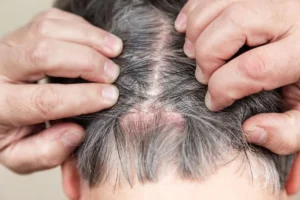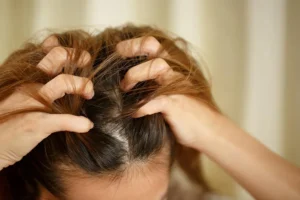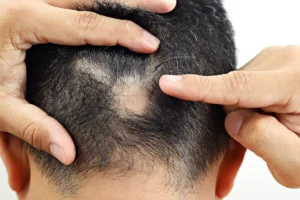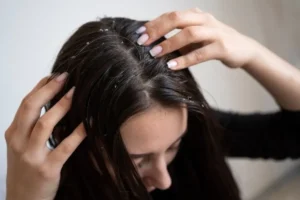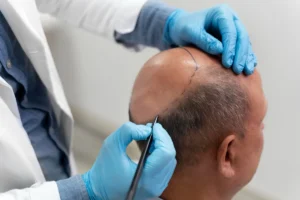
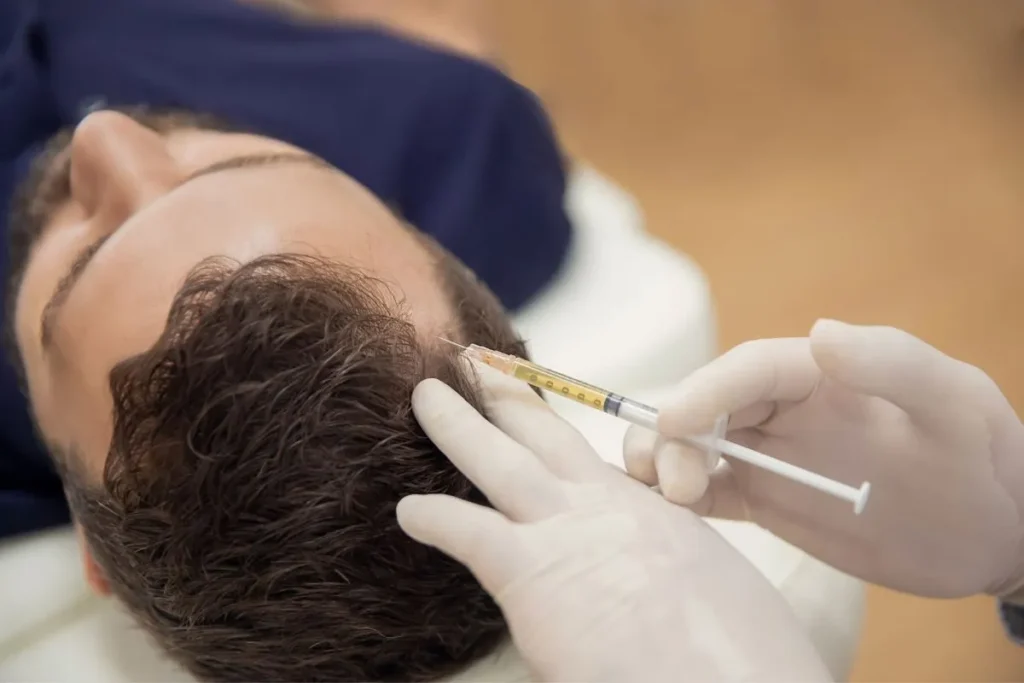
If you’re dealing with patchy hair loss from alopecia areata or other scalp conditions, cortisone shots might help. They’re a better choice than surgery or medicines with many side effects. Steroid injections go straight to the scalp to fight inflammation.
These shots work well for different hair loss types, like alopecia areata. They put corticosteroids in the scalp to cut down inflammation and help hair grow back. With more people looking into hair restoration treatments, like PRP therapy, hair injections are a key option.
Önemli Çıkarımlar
Cortisone shots target inflammation directly in affected scalp areas.
Steroid injections promote hair regrowth by reducing inflammation.
Hair injections are effective in treating various types of hair loss.
PRP therapy is a non-surgical solution that stimulates hair growth.
Hair restoration treatments are gaining popularity for their effectiveness.
Understanding Hair Injections for Hair Loss
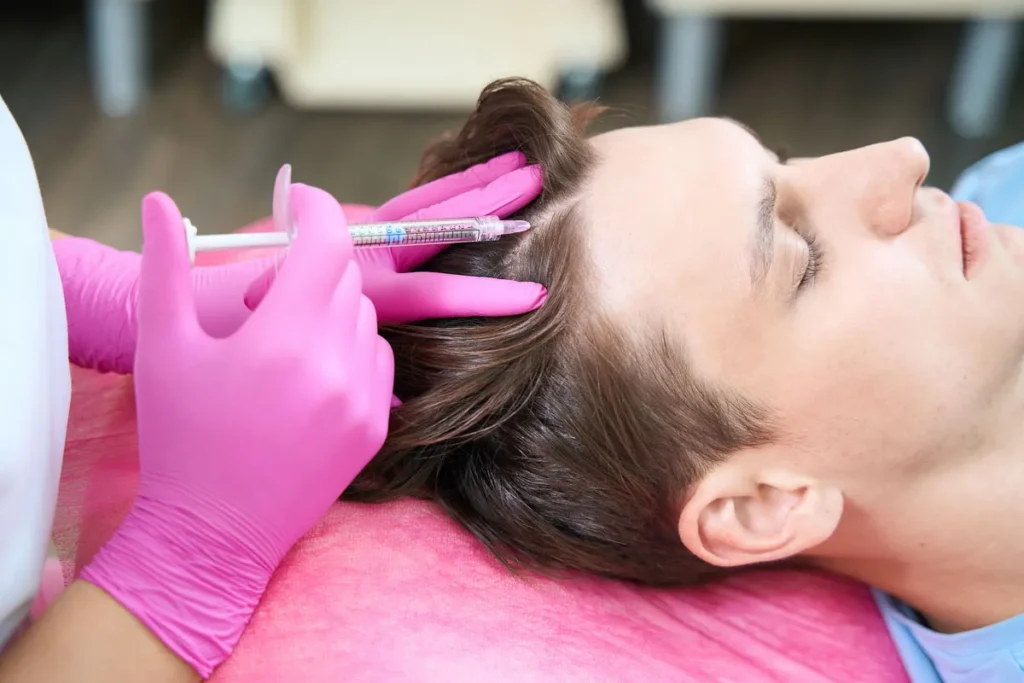
For those dealing with hair loss, cortisone and steroid injections might help. Hair loss can really affect a person’s self-esteem. Cortisone injections for thinning hair can help by reducing inflammation and encouraging hair to grow back.
What Are Cortisone and Steroid Hair Injections
Cortisone and steroid hair injections put corticosteroids right into the scalp. They’re used to treat scalp issues like alopecia areata. By reducing inflammation, they help hair follicles grow back.
Studies show that about sixty percent of patients see a big improvement after three to four sessions. This makes cortisone shots a good option for those with alopecia.
Types of Hair Loss Responsive to Injections
Many types of hair loss can be treated with these injections. Alopecia areata, an autoimmune condition, is a main target. Alopecia scalp injections can also help with other hair loss types, like androgenetic alopecia. But results can vary.
It’s important to know that these injections aren’t a cure-all for hair loss. Talking to a healthcare professional is key to finding the right treatment for you.
How Hair Injections Work to Combat Hair Loss
Steroid injections for hair loss are a promising treatment. They deliver medication directly to the scalp. This reduces inflammation and stops the immune system from attacking hair follicles.
The Science Behind Corticosteroid Action
Corticosteroids are strong anti-inflammatory agents. When injected into the scalp, they help hair grow. They do this by reducing inflammation and controlling the immune system’s attack on hair follicles.
These injections target the scalp directly. This approach reduces side effects, making it safer for many patients.
– Journal of Dermatological Treatment
Common Medications Used in Treatment
The most used corticosteroids for hair loss injections are triamcinolone acetonide and betamethasone dipropionate. These medications reach the dermis layer of the skin. This is where hair follicles are, directly addressing hair loss.
These medications help stimulate hair regrowth. They are often used with other treatments to improve results.
Understanding corticosteroid injections and the medications used helps see their benefits and risks. This knowledge is key for those considering this treatment for hair loss.
The Hair Injection Procedure and Results
Thinking about alopecia shots? It’s important to know what happens during treatment and what results you might see. Hair injections, like scalp steroid injections, are a common choice for those losing hair.
What to Expect During Treatment Sessions
A healthcare expert will give you cortisone injections for hair loss in your scalp. You’ll get a few injections at a time. How many sessions you need depends on your hair loss situation.
Recommended Treatment Schedule
After your treatment, you’ll get a plan for follow-up sessions. You might need steroid injections for hair loss every 4 to 6 weeks.
The first few treatments might be closer together.
Later sessions are spaced out based on how well you’re responding.
You might need regular injections to keep your hair growing.
Potansiyel Yan Etkiler ve Önlemler
PRP therapy is usually safe and has little downtime. But, you might feel some mild scalp tenderness or redness. Always talk to a doctor about the side effects of cortisone injections in scalp to weigh the risks and benefits.
Knowing what to expect from hair injection treatments helps you make a smart choice. Stick to your treatment plan and watch out for side effects to stay safe.
Sonuç
Hair injections are a promising solution for those dealing with hair loss. Cortisone injections and steroid treatments have shown to help hair grow back and reduce inflammation.
Steroid shots, including hair loss injections, work by putting corticosteroids in the scalp. This stimulates hair growth and cuts down on hair loss. Other treatments like PRP therapy are also being recognized for their hair restoration benefits.
Understanding the benefits and risks of hair injections helps people make better choices. It’s key to talk to a healthcare professional to find the right treatment for hair loss.
With the right treatment, people can see a big improvement in their hair growth. Hair injections, including steroid treatments, are a good option for those looking to fight hair loss.
SSS
What are cortisone shots for alopecia?
They are steroid injections given into the scalp to reduce inflammation and treat certain types of hair loss.
How do steroid injections stimulate hair growth?
Steroids calm inflammation around hair follicles, allowing dormant hairs to regrow.
What types of hair loss can be treated with steroid injections?
They are mainly used for alopecia areata, patchy hair loss, and some inflammatory scalp conditions.
What are the common medications used for hair injections?
Triamcinolone acetonide is the most commonly used steroid for scalp injections.
What are the common side effects of cortisone injections in the scalp?
Mild pain, redness, temporary thinning of skin, and small bumps at the injection site.
How often are hair injections administered for optimal results?
Usually every 4–6 weeks, depending on the severity and doctor’s recommendation.
Are there any precautions to minimize risks associated with hair injections?
Use only as prescribed, avoid overuse, and ensure injections are done by a trained professional.
Can hair injections be used in conjunction with other hair loss treatments?
Yes, they can be combined with topical treatments or oral medications under a doctor’s guidance.
How do corticosteroids interact with hair follicles to stimulate regrowth?
They reduce immune attacks on hair follicles and decrease inflammation, allowing normal hair growth to resume.
Referanslar
National Center for Biotechnology Information. Evidence-Based Medical Insight. Retrieved from https://pmc.ncbi.nlm.nih.gov/articles/PMC12126370/