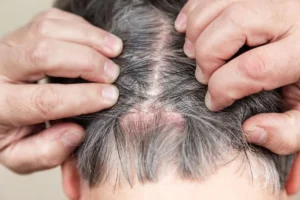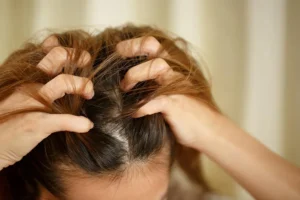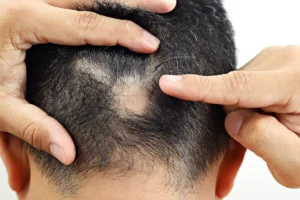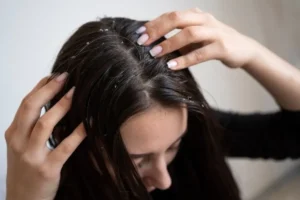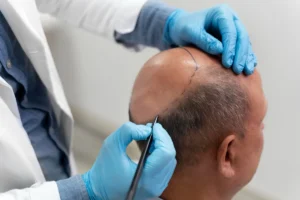
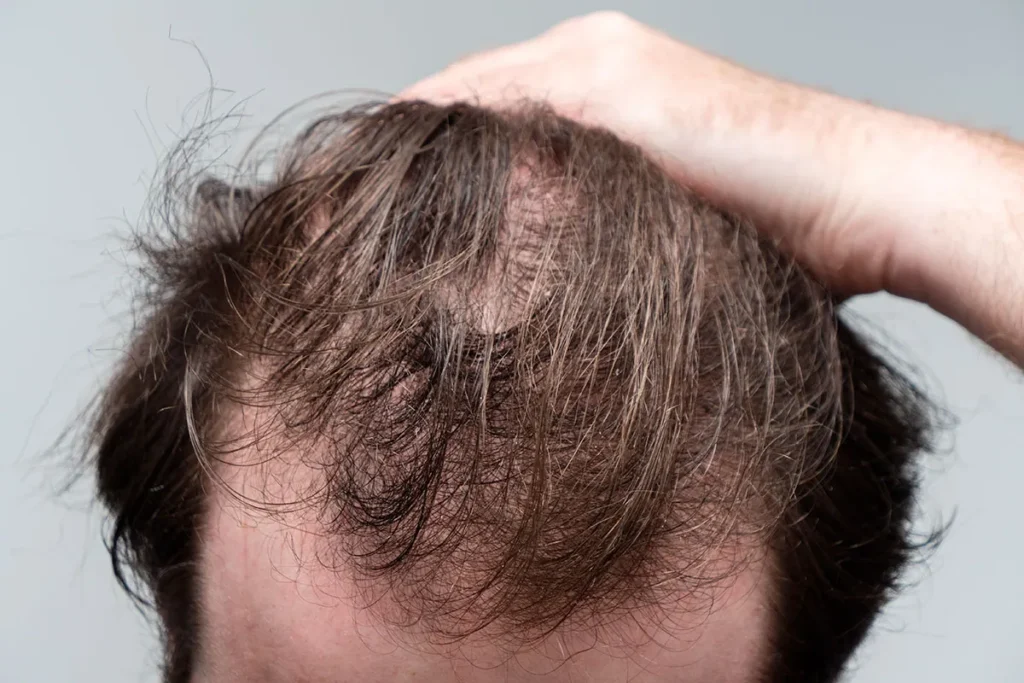
Seeing your hair thinning on one side can be confusing and upsetting. It can change how you look and how you feel about yourself. Unlike usual hair loss, one-sided hair loss might point to certain habits or health problems.
Discover the scary truth about hair thinning on side of head. Learn amazing ways to balance your growth and stop one-sided hair loss effectively.
To feel better, you need to know why it’s happening. It could be because of how you sleep, your hair care, stress, or blood flow issues. A detailed plan is needed to fix side hair thinning for good.
Önemli Çıkarımlar
Asymmetrical hair loss can be caused by various factors including lifestyle and medical conditions.
Identifying the root cause is key for effective treatment.
A detailed plan can help you feel more confident.
Making lifestyle changes and getting a professional check-up are important steps.
Knowing the cause can lead to good solutions for hair thinning at the sides.
Understanding Hair Thinning on Side of Head

One-sided hair thinning, or asymmetric hair loss, happens when hair falls out more on one side of the scalp. It can show up as small patches or thinning over a bigger area. This makes the hair look uneven.
What is Asymmetric Hair Loss?
Asymmetric hair loss means hair thinning or loss is not even on the scalp. It can be caused by many things, like stress, health issues, or genetics.
Knowing why it happens is key to finding the right treatment. It helps people feel better about how they look.
How Common is One-Sided Hair Thinning?
About 80% of men and 50% of women will lose hair at some point, with some losing it on one side. One-sided hair thinning is more common than you might think. It can happen to anyone, no matter their age or gender.
This shows we need hair restoration solutions that fit each person’s needs.
Learning about asymmetric hair loss helps people start to feel better. They can work towards regaining their confidence and getting the hair they want.
Common Causes of One-Sided Hair Loss
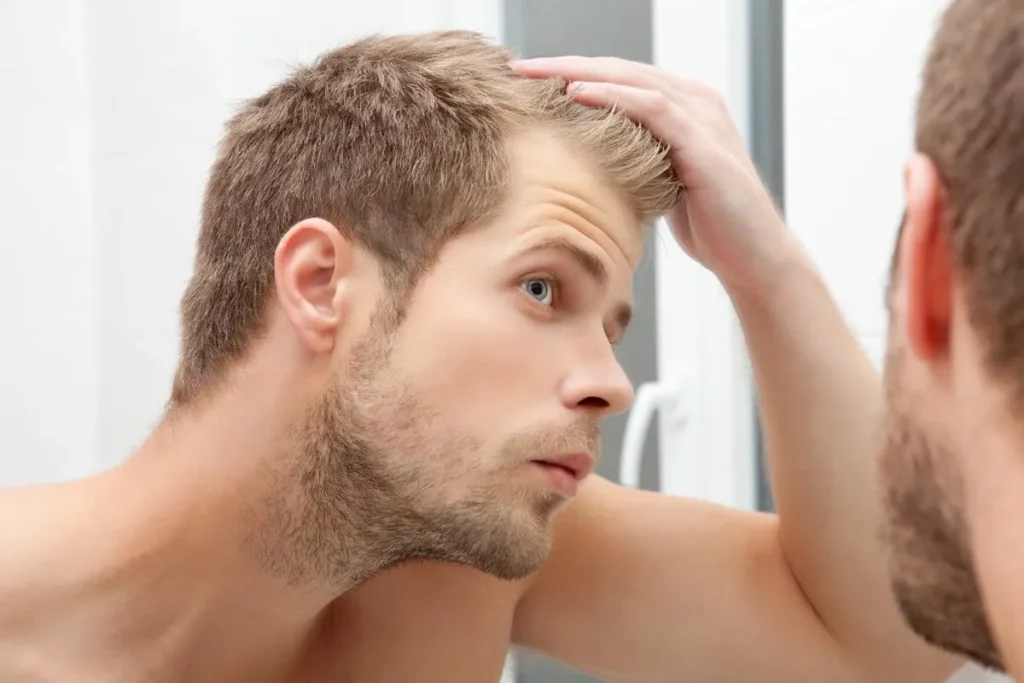
Seeing hair thinning on one side of your head can worry you. It’s important to know why it happens. One-sided hair loss, or asymmetric hair loss, comes from both mechanical stress and medical conditions.
Mechanical Factors
Stress on hair follicles can cause thinning on one side. This stress comes from:
Sleeping on one side can cause friction and hair loss.
Tight hairstyles like ponytails or braids pull on the hair, mainly on one side.
Hair accessories can break hair or cause traction alopecia.
Changing your sleeping position or hairstyle can help prevent this hair loss.
Medical Conditions
Medical issues can also lead to one-sided hair loss. Some include:
Knowing the cause of your hair loss is key to finding the right treatment. Talking to a healthcare professional or dermatologist can help understand your condition.
Sonuç
Experiencing hair loss on one side of the head can be unsettling. But, understanding the causes and seeking professional evaluation can help. By consulting a dermatologist for an accurate diagnosis, individuals can take proactive steps toward restoring their hair’s health and confidence.
One-sided hair thinning, while not uncommon, requires a thorough approach to manage effectively. Combining professional treatments with healthy lifestyle practices can help restore natural hair density. With cutting-edge technology and personalized care, it’s possible to achieve maximum results and regain a full head of hair.
Regaining confidence through hair restoration is a journey that involves tailored solutions and expert guidance. By choosing a trusted partner with a proven track record of successful hair transplants, individuals can enjoy lifetime results and a natural, dense hair growth.
With the right approach, hair loss on one side of the head can be effectively managed. This allows individuals to dream of a fuller head of hair becoming a reality. By focusing on permanent natural hair restoration, individuals can enjoy a lifetime of confidence and a healthy, full head of hair.
SSS
What is asymmetric hair loss, and how does it affect hair thinning on one side of the head?
Asymmetric hair loss refers to uneven thinning or hair loss that affects one side of the scalp more than the other, making hair appear lopsided or patchy.
Is hair thinning on one side of the head a common condition?
It is less common than overall thinning, but it can occur due to mechanical stress, medical conditions, or localized scalp issues.
What are the mechanical factors that contribute to one-sided hair loss?
Frequent hairstyles that pull on one side, constant pressure while sleeping, tight headgear, or habitual combing on one side can cause localized thinning.
Can medical conditions cause hair thinning on one side of the head?
Yes, conditions like alopecia areata, scalp infections, trauma, or nerve-related issues can lead to uneven hair loss on one side.
How can I determine the cause of my hair thinning on one side of my head?
A dermatologist can examine the scalp, review your medical history, run blood tests, and perform scalp biopsies if needed to identify the underlying cause.
What treatment options are available for one-sided hair thinning?
Treatments depend on the cause and may include topical or oral medications, PRP therapy, low-level laser therapy, nutritional support, or treating underlying medical conditions.
Can hair thinning on one side of the head be treated with hair transplant surgery?
Yes, if hair loss is stable and permanent, hair transplantation can restore density on the affected side, provided there is sufficient donor hair.
How can I regain my confidence with hair thinning on one side of my head?
Confidence can be improved with strategic hairstyles, hair fibers, wigs or extensions, cosmetic camouflage, early medical treatments, and focusing on overall hair health
Referanslar
New England Journal of Medicine. Evidence-Based Medical Insight. Retrieved from https://www.nejm.org/doi/full/10.1056/NEJMra2300589