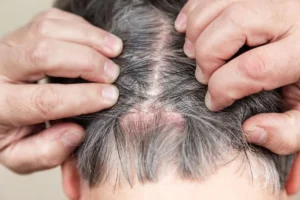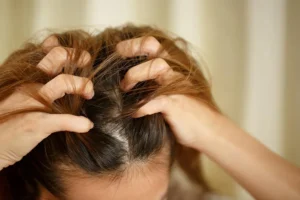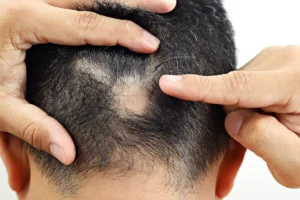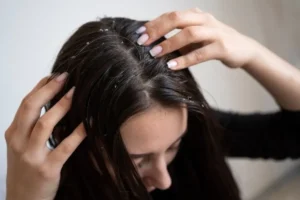
Trichomycosis, also known as trichobacteriosis, is a common bacterial infection. It affects the hair shafts in areas like the armpits and pubic regions.
This condition is marked by bacterial growth on the hair. It causes discomfort and embarrassment for those affected.
Understanding trichomycosis is key to effective treatment and prevention. In this article, we will explore its causes, symptoms, and treatment options.
Önemli Çıkarımlar
Trichomycosis is a bacterial infection affecting hair shafts.
It is commonly found in areas like the armpits and pubic regions.
Understanding trichomycosis is key to effective treatment.
Proper diagnosis is critical for addressing the condition.
Treatment options are available to restore skin health.
Understanding Trichomycosis
To understand trichomycosis, knowing its bacterial cause and body effects is key. It’s a bacterial infection that targets hair shafts. It’s often seen on pubic hair, armpits, and other body parts.
What is Trichomycosis?
Trichomycosis is caused by Corynebacterium family bacteria. It leads to yellow or white spots on hair shafts. These spots are due to aerobic bacteria that coat the hair.
The bacteria thrive in warm, moist places. This makes areas like the underarms and groin more prone to infection. Knowing the bacteria involved is key to treating it.
Common Areas Affected
Trichomycosis can happen in many body parts with hair. Common spots include:
The underarms (axillary region)
Pubic area
Scalp, though less common
Other hair-bearing areas
The condition is more common in humid and warm places. These conditions help the bacteria grow.
A table below shows common areas affected by trichomycosis and their traits:
Knowing where trichomycosis often occurs and its traits helps prevent it. It also helps find the right treatment when needed.
The Truth About Hair Eating Bacteria
Trichomycosis is often misunderstood. People think it’s caused by “hair eating bacteria.” But, these bacteria don’t eat hair. They just live on it.
Bacterial Pathogens Involved
The main bacteria in trichomycosis are from the genus Corynebacterium. They love warm, moist places. That’s why trichomycosis often shows up in the underarms and pubic area.
Corynebacterium bacteria make colored stuff that sticks to hair. This is why you might see an orange coating on pubic hair or other colors.
How Bacteria Colonize Hair Shafts
When Corynebacterium bacteria meet hair, they stick to it. They make biofilms and colored stuff. This is what causes the greasy feel and colored look of trichomycosis.
These bacteria do well in sweaty places. So, people who sweat a lot or don’t wash often are more likely to get trichomycosis. It’s not because the bacteria eat the hair. It’s because they live on it and make stuff.
Belirtilerin Tanınması ve Teşhis
Spotting the signs of Trichomycosis is key to managing it. This condition shows clear signs and symptoms that can really affect your life.
Visual Indicators
Trichomycosis shows up as yellow, black, or orange spots on hair. You might also see a white flaky substance on your pubic hair, looking like dandruff. Seeing black stuff in hair or an orange hue on pubic hair is a big red flag to get checked by a doctor.
Associated Symptoms
Trichomycosis also brings uncomfortable symptoms. You might feel itching, burning, or soreness in your genitals. Plus, there’s often an unpleasant odor from the area. The hair can also look greasy or matted, making things worse.
Knowing these symptoms is important for getting the right medical help. By spotting the signs of Trichomycosis, you can start treating it and avoid more problems.
Effective Treatment and Prevention Strategies
Effective treatment for Trichomycosis includes good hygiene, topical treatments, and lifestyle changes. Shaving the affected area helps remove infected hair shafts. This reduces bacterial load and prevents further infection.
Antibacterial soap is also key in treating Trichomycosis. It cuts down bacterial populations on the skin, easing symptoms and stopping them from coming back. Natural remedies like tea tree oil are also effective due to their antimicrobial properties.
Preventing Trichomycosis is just as important as treating it. Good personal hygiene, wearing loose clothes, and avoiding too much sweat are important. These steps can greatly lower the risk of getting the condition.
Combining these methods helps manage Trichomycosis and prevent it from coming back. Effective treatment and prevention strategies are vital for good health and well-being.
SSS
What is Trichomycosis?
Trichomycosis is a bacterial infection of the hair shafts, usually caused by Corynebacterium species, leading to discoloration and deposits on hair.
What are the common areas affected by Trichomycosis?
It most commonly affects the underarm (axillary) hair, but can also appear in pubic or scalp hair.
Is Trichomycosis caused by “hair eating bacteria”?
No, the bacteria do not eat hair. They colonize the hair shaft surface, causing color changes and coating.
What are the symptoms of Trichomycosis?
Symptoms include yellow, orange, or black nodules on hair, mild odor, and sometimes itching in the affected area.
How is Trichomycosis diagnosed?
Diagnosis is made by visual inspection of hair nodules and sometimes confirmed with bacterial cultures under a microscope.
How can Trichomycosis be treated?
Treatment includes shaving the affected hair and using topical or oral antibiotics to eliminate the bacterial infection.
What are some prevention strategies for Trichomycosis?
Maintain good hygiene, keep hair trimmed in prone areas, and regularly wash with antibacterial soaps.
Can Trichomycosis be prevented?
Yes, proper hygiene and hair care in areas like armpits and pubic regions can prevent infection.
Why is my pubic hair turning brown or developing an orange coating?
This may be due to Trichomycosis, where bacteria form colored nodules on the hair shaft.
Is Trichomycosis contagious?
It is not highly contagious, but close contact in unhygienic conditions can spread the bacteria.
Can Trichomycosis be treated with natural remedies?
Natural remedies are generally not effective; proper medical treatment with hygiene and antibiotics is recommended.
Referanslar
Ulusal Biyoteknoloji Bilgi Merkezi. Kanıta Dayalı Tıbbi Öngörü. Erişim adresi https://pmc.ncbi.nlm.nih.gov/articles/PMC10600505/