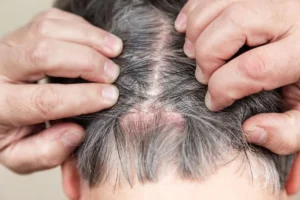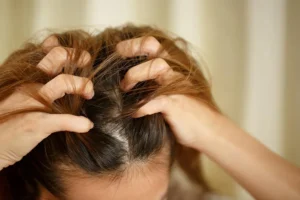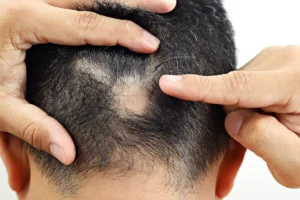
Alopecia is a condition that causes significant hair loss, affecting millions globally. It comes in different forms, like androgenetic alopecia and alopecia areata. While finding a cure is tough, there are many treatments that can help manage hair loss and encourage new hair growth.
Is there a cure for alopecia? Discover the big truth and amazing, powerful treatments for incredible hair restoration and health today.
New research in JAK inhibitors and targeted immunotherapies is showing great promise. These are being tested in clinical trials for hair loss caused by autoimmune diseases. This breakthrough gives hope to those dealing with alopecia, providing better ways to manage their condition.
Önemli Çıkarımlar
Alopecia encompasses various forms, including androgenetic alopecia and alopecia areata.
A complete cure for most types of alopecia is currently unavailable.
Evidence-based treatment options can manage hair loss and promote regrowth.
JAK inhibitors and targeted immunotherapies show promise in treating autoimmune-related hair loss.
Effective management strategies are available to help individuals with alopecia.
Understanding Alopecia: Types and Causes
Hair loss, or alopecia, is more than just a beauty issue. It’s a complex medical problem with many forms and reasons. Knowing the different types and causes is key to treating it well.
What is Alopecia?
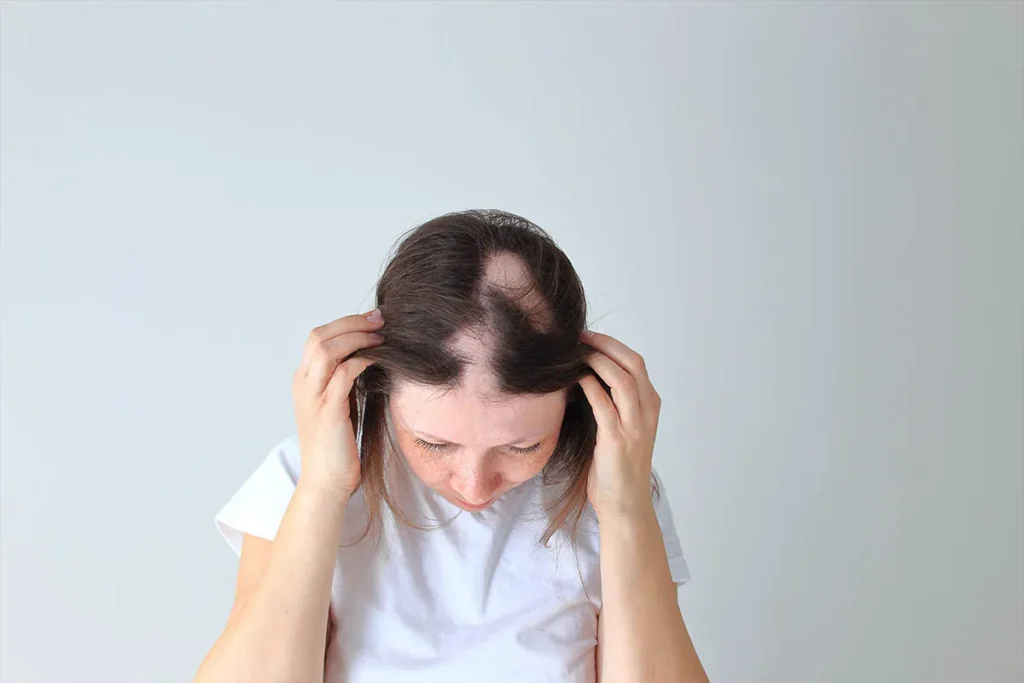
Alopecia is a group of conditions that cause hair loss on the scalp or body. It can be a small patch or total hair loss. The duration of hair loss varies based on the cause and type.
Alopecia areata is an autoimmune condition. It happens when the immune system attacks hair follicles, causing hair loss. Anyone can get it, no matter their age or gender.
Common Types of Alopecia
There are several types of alopecia, each with its own features:
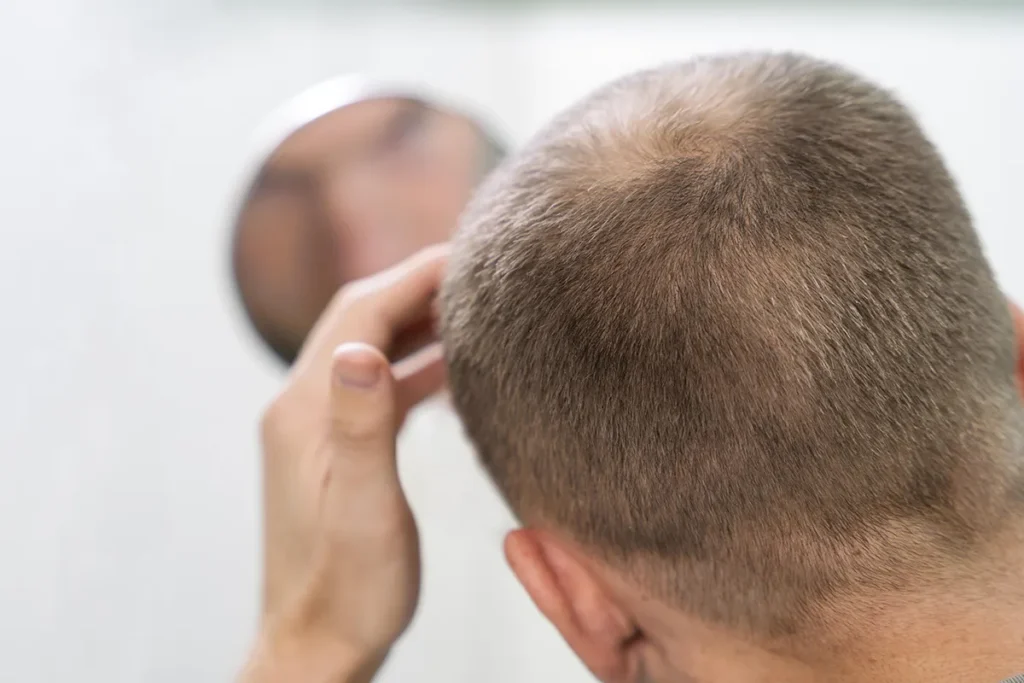
Androgenetic Alopecia: Also known as male or female pattern baldness, this is the most common type. It’s caused by genetics and hormones, like testosterone turning into DHT, which harms hair follicles.
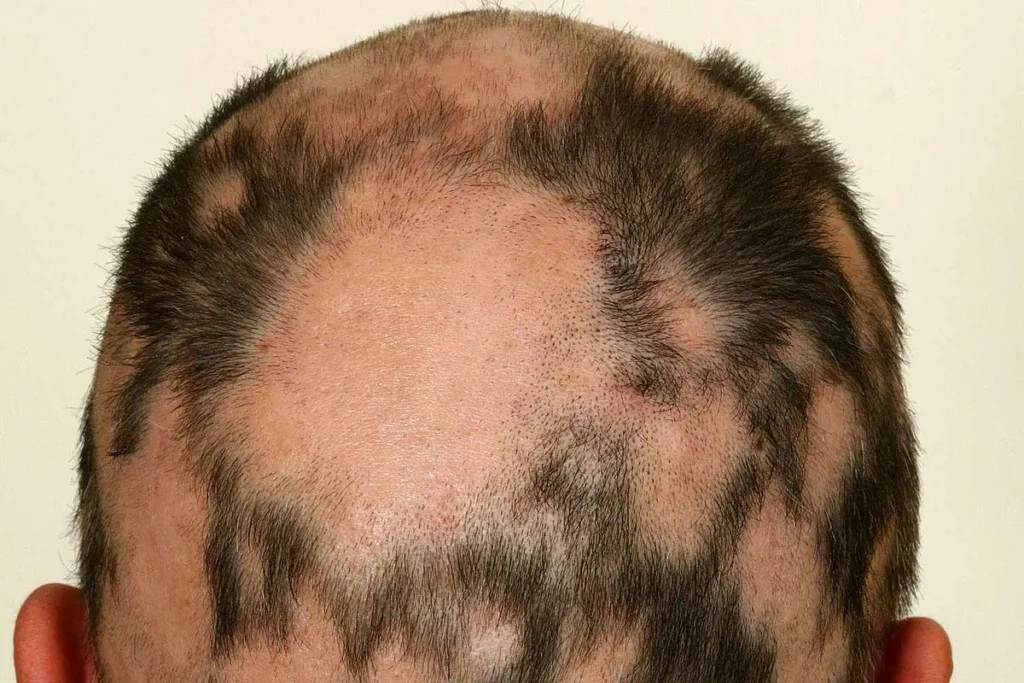
Alopecia Areata: This is an autoimmune condition that leads to patchy hair loss. It can get worse, causing total hair loss on the scalp or whole body.
Alopecia Totalis and Universalis: These are more severe forms of alopecia areata. They result in complete hair loss on the scalp or entire body, respectively.
Yaygınlık ve İstatistikler
Alopecia affects a lot of people worldwide. For example, about 1-2 percent of people have alopecia areata. Also, around 50 percent of men have male pattern baldness by age 50. Knowing these numbers helps both patients and doctors understand the problem’s size and effect.
Research on alopecia is ongoing, giving us new insights into its causes and treatments. By learning about the different types and how common they are, people can find the right treatment and care.
Is There a Cure for Alopecia? The Current Reality
It’s important to know if alopecia can be cured. This helps manage hopes and look into treatment choices. The difference between a “cure” and “treatment” is key when talking about alopecia.
Defining “Cure” vs. “Treatment”
A cure means a complete fix, forever. On the other hand, treatment helps manage symptoms and might stop the disease from getting worse. For many alopecia types, treatments exist, but finding a cure is hard.
Alopecia’s complexity, with its many types and causes, makes finding a cure tough. Each type, like androgenetic alopecia and alopecia areata, has its own reasons for causing hair loss. This makes finding one cure hard.
Why Complete Cures Remain Elusive
Several reasons make finding a cure for alopecia hard. It’s caused by genetics, immune system problems, and hormones. Fixing all these at once is a big challenge.
Also, alopecia areata patients often don’t see much hair growth on their own. This shows we need to keep treating it actively, not just wait for it to get better.
Setting Realistic Treatment Expectations
With current research and treatments, it’s key to have realistic hopes. Some treatments can really help with hair growth and slow down the disease. But, results can differ a lot from person to person.
Knowing what treatments can do is important for making good choices. Here’s a table that shows some common treatments and how well they work:
By knowing about treatments and their effects, people with alopecia can make better choices. They can also have more realistic hopes for how well treatments will work.
Evidence-Based Treatment Options for Different Types of Alopecia
Looking for a good alopecia remedy means checking out various treatments for different types. Each type of alopecia needs its own special treatment. Knowing these options helps find the right one.
Treatments for Androgenetic Alopecia
Androgenetic alopecia, or male/female pattern baldness, is very common. FDA-approved medications like minoxidil and finasteride work well for it.
Minoxidil: Applied topically, minoxidil makes hair grow and slows loss.
Finasteride: Taken orally, finasteride stops DHT production, a hormone that causes hair loss.
These treatments can be used alone or together for better results. Always talk to a healthcare professional to find the best treatment.
Treatments for Alopecia Areata
Alopecia areata is an autoimmune condition causing patchy hair loss. Treatments for it include:
Corticosteroid injections: These injections help hair grow by reducing inflammation.
JAK inhibitors: Medications like tofacitinib and ruxolitinib help by stopping the immune system from attacking hair follicles.
Studies show these treatments can help hair grow back and manage the condition.
— Medical Expert, Dermatologist
Lifestyle and Supportive Approaches
Medical treatments aren’t the only way to fight alopecia. Lifestyle and supportive approaches can also help. These include:
Eating a healthy diet full of vitamins and minerals that help hair grow.
Lowering stress with meditation and yoga.
Using gentle hair care products and avoiding too much heat styling.
Combining these methods with medical treatments can help manage alopecia better. It also improves overall well-being.
The Future of Alopecia Treatment: Research and Breakthroughs
Recent advances in alopecia treatment have brought new hope to those affected. Research into JAK inhibitors, like baricitinib, ritlecitinib, and deuruxolitinib, shows great promise. These treatments target specific pathways in the autoimmune response that causes hair loss.
Studies have shown JAK inhibitors can promote hair regrowth and lessen alopecia areata’s severity. As research continues, people with alopecia have new options for managing their condition. So, is there treatment for alopecia? Yes, and the future looks brighter with ongoing research into cures.
While we’re not there yet, the progress in understanding and treating alopecia is encouraging. How can you get rid of alopecia? The answer is to explore evidence-based treatments and stay updated on the latest breakthroughs. As research advances, we can expect more effective treatments to emerge, improving outcomes for those with alopecia.
SSS
What is alopecia, and what are its common types?
Alopecia is hair loss that can affect the scalp or body. Common types include androgenetic alopecia (pattern hair loss), alopecia areata (patchy autoimmune hair loss), telogen effluvium (shedding due to stress or illness), and scarring alopecia.
Can alopecia be cured?
There is currently no universal cure for alopecia, but many types can be managed or partially reversed with treatments.
What are the treatment options for androgenetic alopecia?
Tedaviler şunları içerir topical minoxidil, oral finasteride (for men), low-level laser therapy, PRP injections, and hair transplantation in some cases.
How is alopecia areata treated?
Alopecia areata may be treated with corticosteroid injections, topical immunotherapy, topical minoxidil, and emerging therapies like JAK inhibitors.
Are there any lifestyle changes that can help manage alopecia?
Reducing stress, maintaining a nutrient-rich diet, avoiding harsh hair treatments, and gentle hair care can help manage hair loss and support regrowth.
What are JAK inhibitors, and how do they work in treating alopecia?
JAK inhibitors are medications that block inflammatory pathways involved in alopecia areata, helping hair follicles escape immune attack and potentially regrow hair.
Can alopecia areata go away on its own?
Yes, spontaneous regrowth can occur in some cases, though the course is unpredictable and may recur.
Is there a cure for alopecia areata?
Currently, no permanent cure exists, but treatments can stimulate regrowth and reduce severity.
How effective are treatments for alopecia?
Effectiveness varies by type and severity: minoxidil and finasteride work best for androgenetic alopecia, while corticosteroids and JAK inhibitors can help some people with alopecia areata, but results are inconsistent.
Are there any new developments in alopecia treatment?
Research is ongoing on JAK inhibitors, stem cell therapies, platelet-rich plasma, and novel topical formulations, aiming to improve regrowth outcomes and reduce side effects.
Referanslar
New England Journal of Medicine. Evidence-Based Medical Insight. Retrieved from https://www.nejm.org/doi/full/10.1056/NEJMra2101195