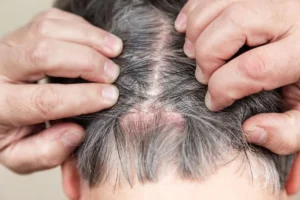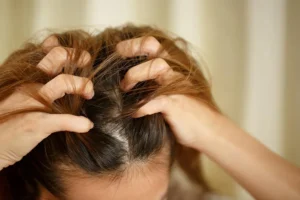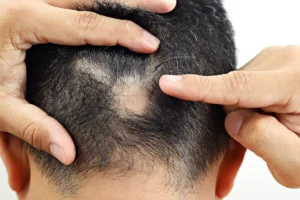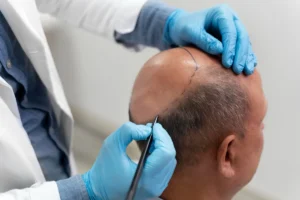
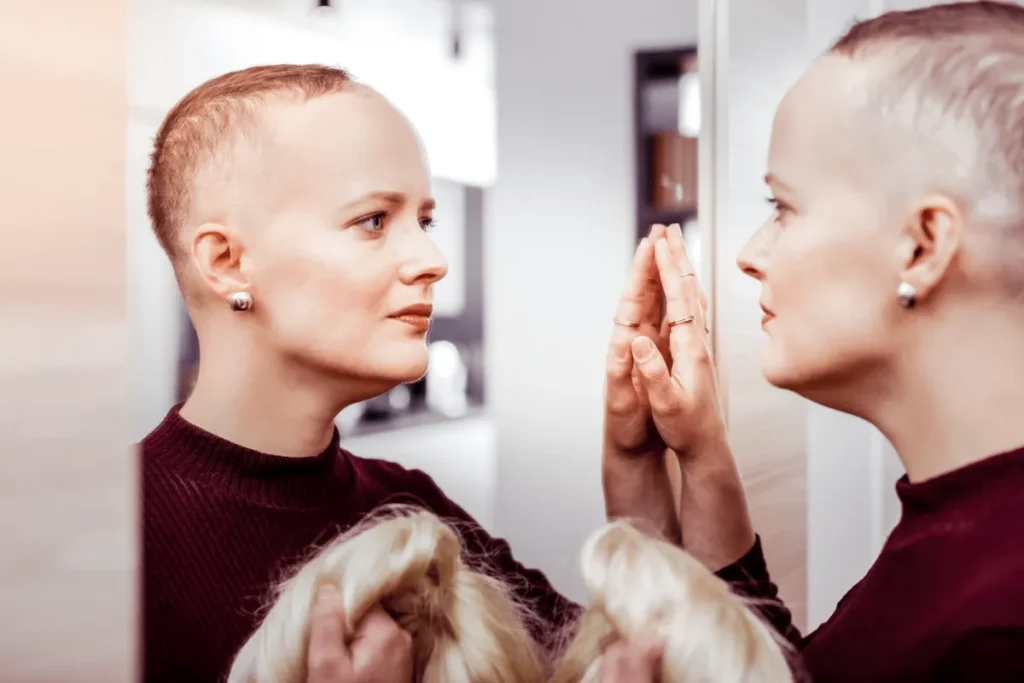
Breast cancer treatment, like chemotherapy, can lead to significant distress due to its side effects. One of these is hair loss. For a long time, people thought this hair loss was always temporary. But new research shows a different story.
Some studies found that certain chemotherapy drugs, like taxane-based ones, increase the risk of lasting hair loss. For many women, this ongoing hair loss is a constant reminder of their cancer fight. It affects not just how they look but also their mental health and overall happiness.
Önemli Çıkarımlar
Chemotherapy can cause significant hair loss in breast cancer patients.
Research indicates that certain chemotherapy drugs may lead to persistent hair loss.
The emotional impact of hair loss can be substantial, affecting patients’ well-being and quality of life.
Understanding the factors influencing hair loss during breast cancer treatment is important.
Breast cancer survivors may experience long-term effects from chemotherapy.
Understanding Hair Loss During Breast Cancer Treatment
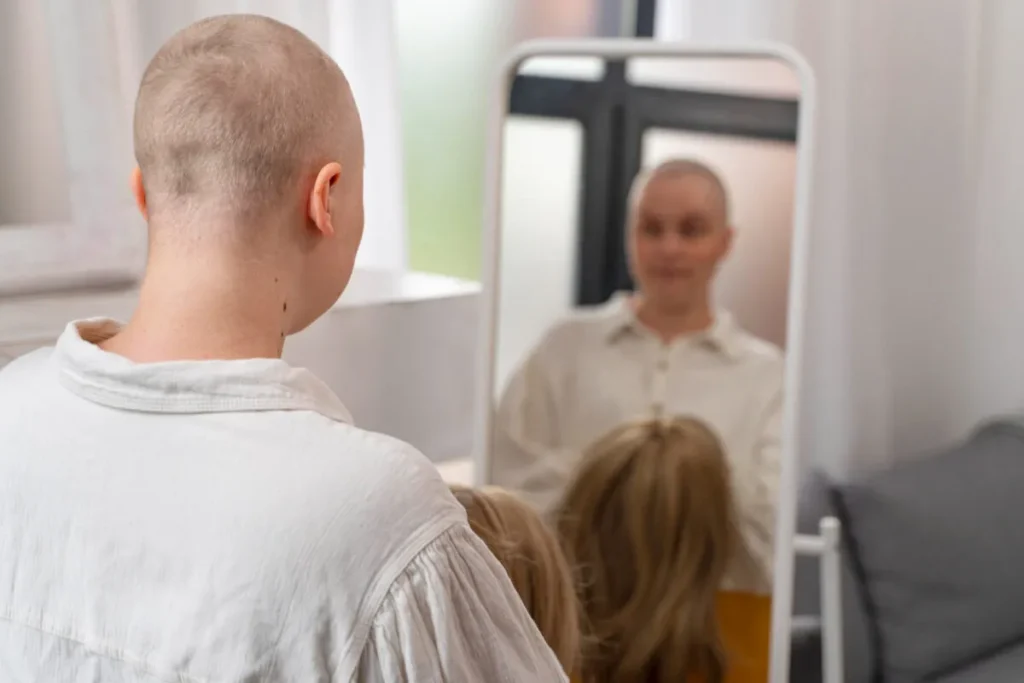
Hair loss during breast cancer treatment is complex. It’s influenced by many factors. Treatments like chemotherapy, hormonal therapy, targeted therapy, and radiation therapy can all cause hair loss.
Types of Breast Cancer Treatments That Cause Hair Loss
Each breast cancer treatment affects hair loss differently. Chemotherapy is known to cause hair loss because it targets fast-growing cells, including hair follicles. The chance and amount of hair loss depend on the type and dose of chemotherapy.
Hormonal therapy is less likely to cause hair loss but can slow down hair growth. Targeted therapy might also lead to hair loss, but the risk varies by treatment.
The Expected Timeline of Hair Loss and Regrowth
Hair loss usually starts a few weeks after chemotherapy begins. The most hair loss happens in the first few months. After treatment ends, hair growth starts, but it varies by person.
The time and amount of hair regrowth depend on treatment type, health, and age. Some people might notice changes in hair texture or color when it grows back.
Permanent Hair Loss After Chemotherapy: Facts and Statistics
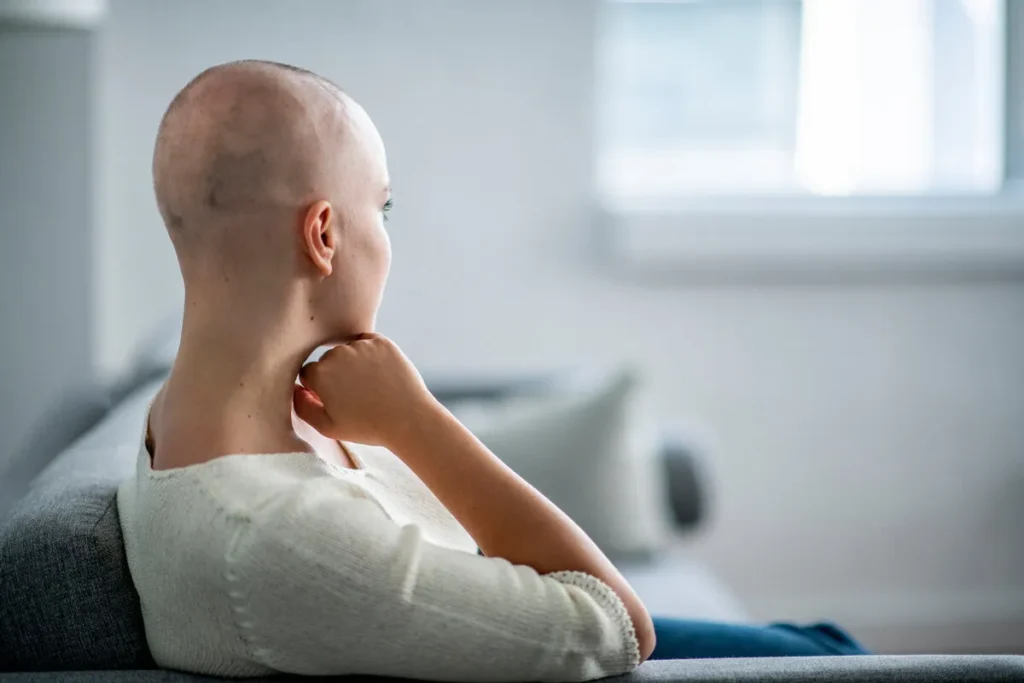
Many breast cancer survivors face permanent hair loss after chemotherapy. Knowing the facts and statistics can help them prepare for treatment outcomes.
Defining Permanent Chemotherapy-Induced Alopecia
Permanent chemotherapy-induced alopecia means hair doesn’t grow back in six months or more after treatment. It shows how chemotherapy can affect hair growth long-term.
“The worry about hair loss lasting too long is big for many patients,” says Medical Expert, a top oncologist. “It’s key to know the risks and which treatments might cause permanent hair loss.”
Prevalence Rates in Breast Cancer Survivors
Research shows over 40% of breast cancer patients face permanent hair loss three years after chemo. This highlights the need for support and awareness.
Taxane-Based Chemotherapy and Hair Loss Risk
Taxane-based chemotherapy drugs are often used in breast cancer treatment. But, they can increase the risk of permanent hair loss. Knowing the risks of different treatments helps patients and doctors make better choices.
Radiation therapy also affects hair loss in breast cancer patients. Even though it’s focused, it can cause hair loss in the treated area. Talking to your healthcare team about your risk can help manage expectations and find ways to reduce hair loss.
As one survivor shared, “Hair loss’s emotional impact is huge. It’s not just about looking different; it affects your mind and feelings too.”
Conclusion: Managing Expectations and Finding Support
Breast cancer treatment is tough, and hair loss is a big side effect. Knowing why and how hair loss happens is key to managing your hopes.
Chemotherapy can lead to permanent hair loss, called permanent chemotherapy-induced alopecia. The chance of this happening depends on the type of chemo used, like taxane-based chemo.
Support and learning are important to lessen the emotional blow of hair loss. Remember, you’re not alone; many have faced this too. For example, some chemo patients may deal with neuropathy 10 years later, showing the value of support groups.
Even famous people like Dwayne “The Rock” Johnson can lose hair, but for breast cancer patients, it’s a big deal. Do you lose hair with breast cancer treatment? Yes, often, but knowing about it can help.
By understanding the risk of hair loss and looking for support, patients can handle their treatment better.
SSS
Does Breast Cancer Treatment Always Cause Hair Loss?
No, hair loss varies by treatment type; chemotherapy causes it in 65-89% of cases, while some hormonal therapies cause mild thinning.
Chemotherapy Types Causing Permanent Hair Loss?
Taxane-based (docetaxel, paclitaxel) most linked to persistent alopecia (pCIA) in 10-30% of breast cancer patients.
Can Hormonal Therapy Cause Hair Loss?
Yes, tamoxifen/aromatase inhibitors cause diffuse thinning resembling female pattern hair loss in some patients.
Hair Regrowth Time After Chemotherapy?
Typically 3-6 months for full regrowth; taxane cases may take longer or remain incomplete.
Permanent Hair Loss After Chemo Common?
Radiation Therapy Cause Hair Loss?
Factors Influencing Hair Loss Extent?
Drug type/dose, genetics, age, hormone status, concurrent endocrine therapy.
Prevent/Minimize Hair Loss?
Scalp cooling reduces loss by 50%; minoxidil may help; early intervention for pCIA.
Coping with Treatment Hair Loss?
Wigs/scarves pre-loss, support groups, counseling; focus on emotional preparation.
Referanslar
JAMA Ağı. Kanıta Dayalı Tıbbi Öngörü. Erişim adresi https://jamanetwork.com/journals/jamadermatology/fullarticle/2784689