Getting healthy, vibrant hair begins with knowing your specific needs. It’s about making a care plan just for you. With 86% of Americans using shampoo or conditioner, it’s clear that hair care is a big deal. The global scalp care market is growing fast, showing how important scalp health is.
Build a proper hair care routine for amazing results. Follow these powerful, easy steps to keep your hair shiny, strong, and healthy every day.
Eating a diet full of protein is key for healthy hair. Aim for at least 45 grams of protein every day to boost hair wellness. By mixing a healthy diet with the right hair care products and methods, you can get the healthy hair you want.
Önemli Çıkarımlar
Understand your unique hair needs to create a tailored care plan.
Eat a balanced diet rich in protein to promote hair wellness.
Use the right hair care products for your hair type.
Maintain a healthy scalp to achieve healthy hair.
Combine a balanced diet with hair care techniques for optimal results.
Understanding Your Hair and Scalp Health
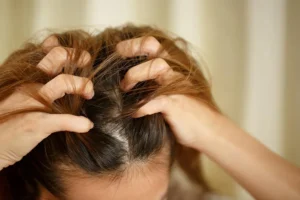
Hair care starts with knowing what your hair and scalp need. To make a good hair care plan, find out your hair type and scalp health. Also, learn about common hair problems.
Identifying Your Hair Type and Concerns
Knowing your hair type is key to a custom hair care plan. Hair types include normal, dry, oily, or a mix. This helps pick the right products and methods for your hair.
Issues like dryness, oiliness, dandruff, and hair loss are common. Knowing why these problems happen lets you fix them. For example, eating more omega-3 fatty acids can help your scalp and hair.
The Science Behind Scalp Microbiome
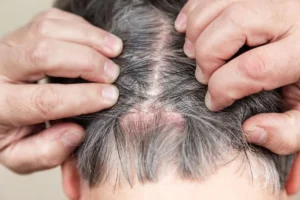
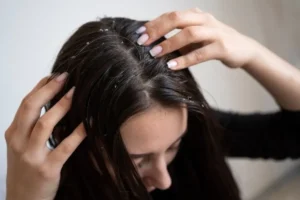
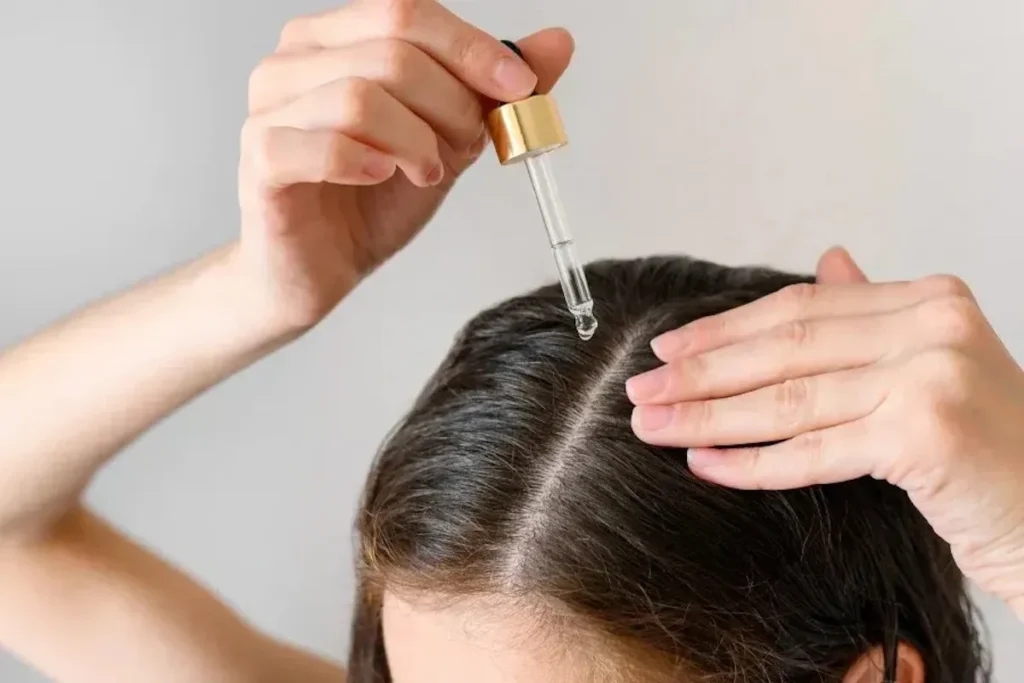
The scalp microbiome is vital for hair health. A healthy scalp is needed for hair to grow well. An unbalanced scalp microbiome can cause dandruff, itchiness, and hair loss.
To keep your scalp healthy, use gentle, sulfate-free shampoos. Avoid harsh chemicals. Eating foods rich in zinc and omega-3 fatty acids also helps your scalp.
Common Hair Issues and Their Root Causes
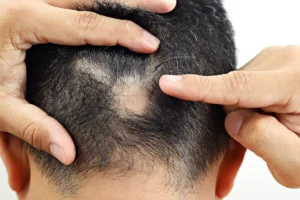
Hair loss, dandruff, and itchiness can come from genetics, diet, or the environment. Knowing why these problems happen is important for fixing them.
Zinc deficiency can make hair fall out, and an oily scalp can cause dandruff. By tackling these problems, you can get on the path to healthy, beautiful hair.
Building a Proper Hair Care Routine
To get healthy, shiny hair, you need a good hair care routine. It’s not just about using the right products. It’s about a multi-step process that includes washing, conditioning, and treating your hair.
Cleansing: Frequency and Technique
Cleansing is key to a good hair care routine. How often and how you wash your hair matters a lot. Using the wrong shampoo or washing too much can dry out your hair and cause damage.
Determining the Right Cleansing Frequency: How often you should wash your hair depends on your hair type. Most people should wash their hair 2-3 times a week. If you have oily hair, you might need to wash it more. If your hair is dry, you might need to wash it less.
Conditioning: Methods for Maximum Nourishment
Conditioning is vital for soft, easy-to-manage hair. It keeps your hair moist, reduces tangles, and protects it from damage.
Effective Conditioning Techniques: To get the most from your conditioner, apply it from mid-length to the ends. Leave it on for 1-2 minutes before rinsing with cold water. This seals the cuticles.
Treatment Products: Masks, Serums, and Oils
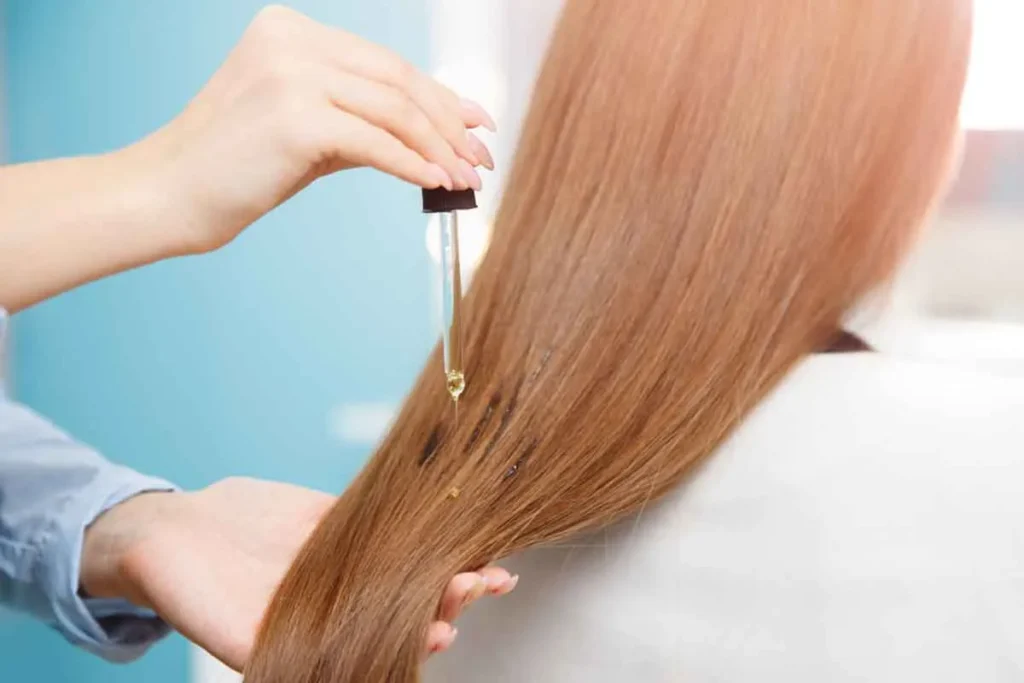
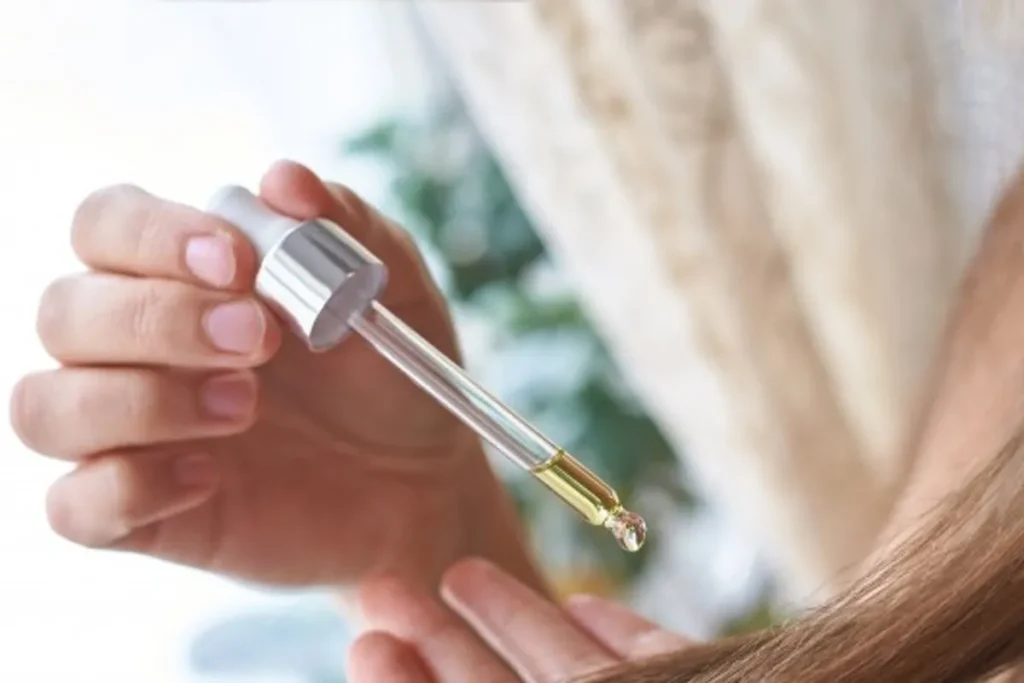
Treatment products add extra nourishment and protection to your hair. Masks, serums, and oils can repair damage, add shine, and protect against environmental stressors.
Choosing the Right Treatment Products: The right treatment product depends on your hair concerns. For dry hair, use moisturizing masks and hydrating serums. For damaged hair, repair masks and nourishing oils can restore health and shine.
By following these steps, you can make your hair healthier and more resilient. Remember, consistency and patience are key. The benefits of a good hair care routine take time to show.
Customizing Your Routine for Specific Hair Needs
To get the most out of your hair care routine, it’s essential to tailor it to your specific hair needs. Whether you’re dealing with thinning hair, dryness, oiliness, or curly/textured hair, a customized approach can help you achieve optimal hair health.
Solutions for Thinning Hair and Hair Loss
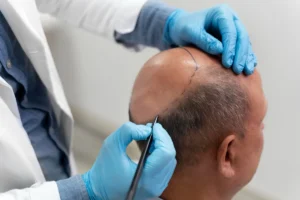
Thinning hair and hair loss can be distressing, but there are several strategies you can employ to address these issues. Incorporating a diet rich in protein and omega-3 fatty acids can help promote hair growth. Also, using gentle hair care products and minimizing heat styling can reduce hair breakage.
A study published in the Journal of Clinical and Aesthetic Dermatology found that
. This highlights the benefits of exploring various treatment options for hair loss.
Routines for Dry and Damaged Hair
Dry and damaged hair needs extra nourishment and care. Using a hydrating mask once a week can help lock in moisture. It’s also beneficial to use a leave-in conditioner or hair serum to protect your hair from environmental stressors and heat styling tools.
When choosing products for dry and damaged hair, look for ingredients like coconut oil, shea butter, and argan oil, which are known for their moisturizing properties.
Addressing Oily Scalp and Hair
An oily scalp can lead to greasy hair and other scalp issues. Using a clarifying shampoo can help control oil production. Tea tree oil has natural antifungal properties that can help balance the scalp’s microbiome.
Use a gentle, sulfate-free shampoo to clean the scalp without stripping it of its natural oils.
Avoid using heavy styling products that can exacerbate oiliness.
Consider using a scalp scrub to remove dead skin cells and promote a healthy scalp environment.
Special Care for Curly and Textured Hair
Curly and textured hair types require specific care to maintain their natural beauty and prevent dryness. Using a sulfate-free shampoo and a deep conditioning treatment can help define curls and reduce frizz.
It’s also important to use a microfiber towel or an old t-shirt to dry curly hair, as regular towels can cause friction and lead to breakage.
Sonuç: Sağlıklı Saçları Uzun Vadede Korumak
To keep your hair healthy, you need a good hair care routine and a healthy lifestyle. Knowing your hair and scalp health helps you make a plan that fits you. This way, you can meet your hair’s specific needs.
Keeping your hair healthy means regular care, like trims and protecting it from damage. Eating right and using the right hair care practices also help. For a healthy scalp, use gentle cleansers and nourishing treatments.
By following these tips, you can have healthy, vibrant hair for years. Get your confidence back with a full head of hair. Use gentle products and cut down on heat styling.
Keeping your hair healthy for the long run takes effort and patience. But the payoff is huge. With a consistent and detailed hair care plan, you can get the hair you want and keep it that way.
SSS
How do I create a proper hair care routine?
A proper hair care routine starts with understanding your hair type, scalp needs, and goals. Include gentle cleansing, regular conditioning, protective styling, occasional treatments, and trimming to maintain shape and health.
What is the importance of scalp health in hair care?
A healthy scalp provides strong foundations for hair growth. Poor scalp health can lead to dryness, irritation, clogged follicles, and even hair thinning.
How often should I cleanse my hair?
Cleansing depends on hair type and lifestyle. Oily hair may need washing every 1–2 days, while dry or curly hair may only need washing once or twice a week to avoid stripping natural oils.
What are the best ways to condition my hair?
Use a suitable conditioner after shampooing, focusing on mid-lengths to ends. Deep conditioning treatments once a week can nourish, hydrate, and repair damage.
How can I address common hair concerns such as thinning hair or dryness?
For thinning hair, strengthen follicles with gentle care, scalp massages, and treatments like minoxidil. For dryness, use hydrating shampoos, oils, and deep conditioners to restore moisture.
What are some tips for maintaining healthy hair long-term?
Maintain healthy hair by protecting it from heat and sun, eating a nutrient-rich diet, trimming regularly, avoiding harsh chemicals, and using gentle styling practices.
Saçımı nasıl daha sağlıklı hale getirebilirim?
Focus on balanced nutrition, hydration, minimal heat styling, proper cleansing and conditioning, and stress management, all of which improve hair strength and appearance.
What is the best way to care for curly and textured hair?
Curly and textured hair benefits from gentle, sulfate-free shampoos, regular deep conditioning, protective styles, and minimal manipulation to prevent breakage and retain moisture.
How can I achieve healthy hair?
Healthy hair comes from consistent care, nourishing products, scalp health, proper diet, and avoiding damaging practices, combined with patience, as hair growth and repair take time.
Referanslar
Ulusal Biyoteknoloji Bilgi Merkezi. Kanıta Dayalı Tıbbi Öngörü. Erişim adresi https://www.ncbi.nlm.nih.gov/pmc/articles/PMC4387693/