Are you losing hair unexpectedly and worried about getting it back? Telogen effluvium is a common, temporary hair loss issue. It’s reversible. Identify telogen effluvium recovery signs with these incredible secrets. Learn powerful ways to monitor amazing hair regrowth and health now.
This condition is different from permanent hair loss. It has a good chance of getting better, with up to 95 percent of cases improving. Spotting the signs of recovery early can give you hope and confidence.
Knowing what recovery looks like helps you track your progress. It shows you’re on the right path. Signs of recovery include less hair falling out and new hair growing. These are good signs that you’re getting better.
Önemli Çıkarımlar
Telogen effluvium is a reversible form of hair loss.
Recovery is indicated by decreased daily hair shedding.
New hair growth is a positive sign of recovery.
Up to 95 percent of acute cases resolve completely.
Recognizing recovery signs early provides hope and confidence.
Understanding Telogen Effluvium
Telogen effluvium can start for many reasons like stress, illness, and not getting enough nutrients. It makes a lot of hair fall out because it messes with the hair growth cycle.
What Causes Telogen Effluvium
Many things can make telogen effluvium happen. These include:
Physical or emotional stress: Stress can make more hair follicles stop growing and rest.
Hormonal changes: Changes in hormones, like during pregnancy, can cause it.
Nutritional deficiencies: Not having enough iron, zinc, or biotin can make hair fall out more.
Major illness or fever: Being very sick can shock the body and make hair follicles rest.
The Hair Growth Cycle Disruption
Telogen effluvium messes with the hair growth cycle. This cycle has three parts: growth, transitional, and resting. Normally, most hair is growing, but in telogen effluvium, more hair rests and falls out.
Stress can start this disruption. Then, the body changes the hair growth cycle. This leads to more hair falling out.
Acute vs. Chronic Telogen Effluvium
Telogen effluvium can be either acute or chronic.
Acute Telogen Effluvium: This is the most common type. It starts after a stressful event and usually goes away in 6-12 months.
Chronic Telogen Effluvium: This lasts more than 6 months. It can be due to ongoing stress, not enough nutrients, or other health problems. It might need more treatment.
Knowing the difference between acute and chronic telogen effluvium helps figure out the right treatment.
Recognizing Telogen Effluvium Recovery Signs
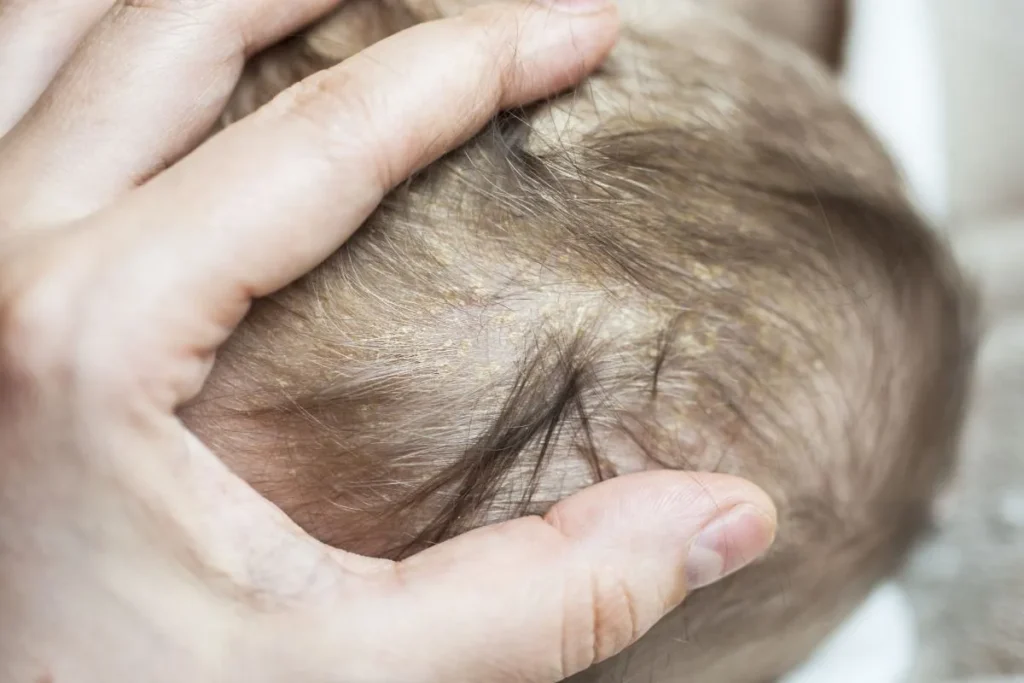
The journey to regaining normal hair growth after telogen effluvium involves noticeable changes. Recognizing these signs can provide reassurance that the condition is improving.
Decreased Daily Hair Shedding
One of the earliest signs of recovery is a decrease in daily hair shedding. Experts say, “A reduction in the amount of hair lost during routine activities like combing or showering is a positive indicator of recovery.” Reduced daily shedding shows that hair follicles are recovering and returning to their normal growth cycle.
New Hair Growth Along the Hairline
New hair growth, mainly along the hairline, is another encouraging sign. This new growth often appears as short, fine strands, indicating that the hair follicles are actively producing new hair. As Medical Expert, a dermatologist, notes, “New hair growth along the hairline is a significant indicator that the hair is regrowing and recovering from telogen effluvium.”
Short Regrowth Throughout the Scalp
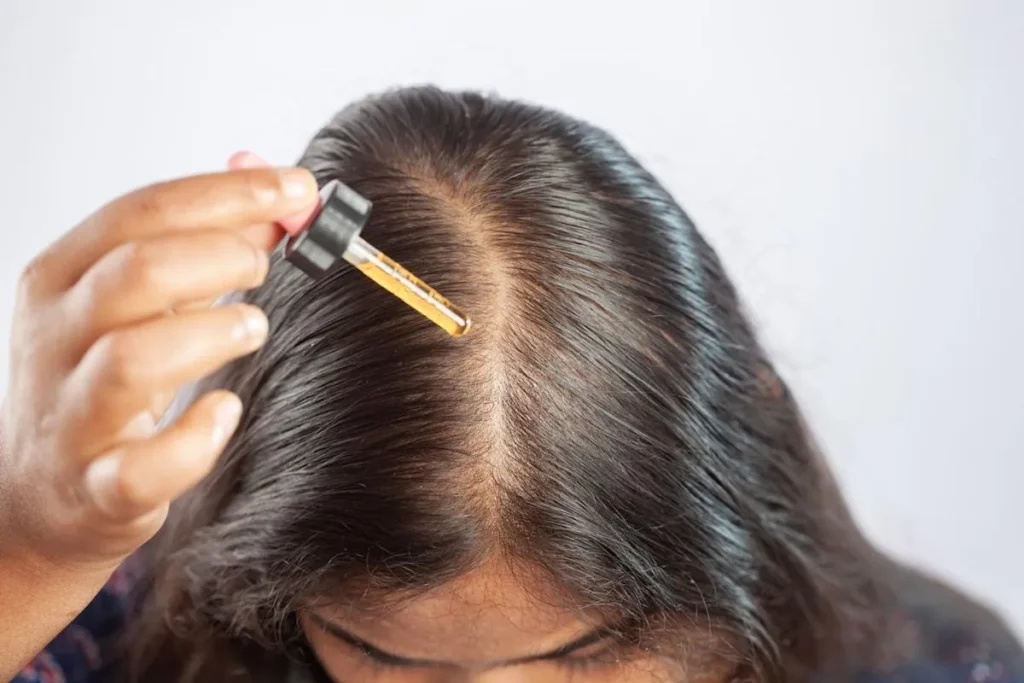
In addition to new hair growth along the hairline, short regrowth throughout the scalp is a promising sign. This regrowth may be fine and soft, but it signifies that the hair follicles are recovering and producing new hair. Hair thickening is a gradual process, and patience is essential during this phase.
Paradoxical Shedding During Recovery
Some individuals may experience paradoxical shedding during the recovery phase. This phenomenon can be confusing, as it appears to be a continuation of the hair loss. Experts explain that this shedding is a part of the recovery process, as the old hair is pushed out by new growth. Understanding this process can help individuals stay positive and focused on their recovery.
Recovery from telogen effluvium is a gradual process, and recognizing the signs of recovery can help individuals stay reassured. By understanding the physical changes that occur during recovery, individuals can better navigate this condition and work towards regaining their normal hair growth.
Sonuç
Knowing the signs of telogen effluvium recovery is key. Look for less hair falling out, new hair at the hairline, and short growth on the scalp. These signs help you understand your recovery better.
To manage telogen effluvium, find and fix the cause, eat well, and care for your scalp gently. Good telogen effluvium treatment and telogen effluvium hair loss treatment can ease symptoms and help your hair grow strong.
If you have chronic telogen effluvium hair loss, be patient and keep up with your care. Proper treatment of telogen effluvium can greatly improve your recovery. Saying it right, “telogen effluvium pronounce,” is just the beginning. Really understanding the condition is the first step to managing it.
By taking the right steps and staying informed, you can feel confident again. With the right telogen effluvium treatment, you can recover and grow healthy hair.
SSS
What is telogen effluvium, and how does it affect hair growth?
Telogen effluvium is a temporary hair loss condition where stress, illness, hormonal changes, or nutritional deficiencies push many hairs into the resting (telogen) phase. This causes noticeable shedding 2–3 months after the trigger.
How long does telogen effluvium typically last?
Acute telogen effluvium usually lasts 3–6 months. Chronic cases can persist longer than 6 months if the underlying trigger continues.
What are the signs of telogen effluvium recovery?
Reduced daily shedding, appearance of short “baby hairs” along the hairline or crown, improved density over time, and less hair fall during washing or brushing.
How can I promote healthy hair growth during telogen effluvium recovery?
Maintain adequate protein, iron, and vitamin D intake, manage stress, sleep well, avoid crash dieting, use gentle hair care, and consider treatments like Minoxidil if advised.
Can telogen effluvium be treated, and if so, what are the treatment options?
Yes. Treatment focuses on correcting the trigger (stress, deficiency, thyroid issues). Nutritional correction, stress management, and sometimes Minoxidil may help support regrowth.
Is telogen effluvium more common in women, and are there any specific triggers?
Yes, it is more commonly reported in women. Common triggers include postpartum hormonal changes, iron deficiency, thyroid disorders, major stress, illness, surgery, or rapid weight loss.
How can I differentiate between telogen effluvium and other hair loss conditions?
Telogen effluvium causes diffuse shedding across the scalp without clear bald patches. Genetic hair loss (androgenetic alopecia) causes gradual thinning in specific patterns. A dermatologist can confirm through examination or tests.
Referanslar
National Center for Biotechnology Information. Evidence-Based Medical Insight. Retrieved from https://pmc.ncbi.nlm.nih.gov/articles/PMC4606321/