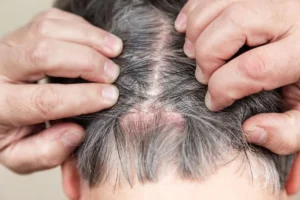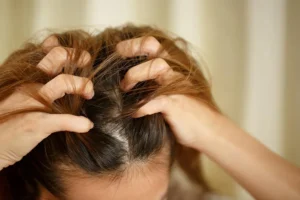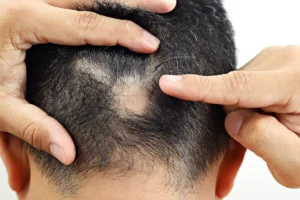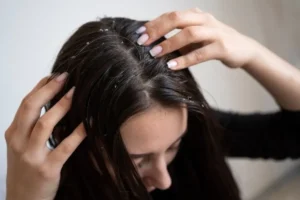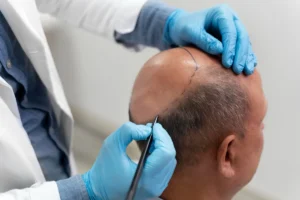
A hair follicle is a tiny organ in the skin. It’s key for growing and keeping hair all our lives.
Found in the dermis, each follicle has a hair bulb. Here, cells divide to make the hair shaft. This keeps the hair in place.
At gold city hair, experts know a lot about hair follicles. They see how important they are for skin health.
Önemli Çıkarımlar
Hair follicles are complex structures responsible for producing and maintaining hair growth.
Each follicle contains a hair bulb where living cells divide to form the hair shaft.
Hair follicles play a critical role in dermatological care and hair-related issues.
Understanding hair follicle anatomy and function is essential for addressing hair-related concerns.
Dermatology experts recognize the importance of hair follicles in maintaining overall skin health.
Understanding Hair Follicles: The Mini-Organs of Hair Production
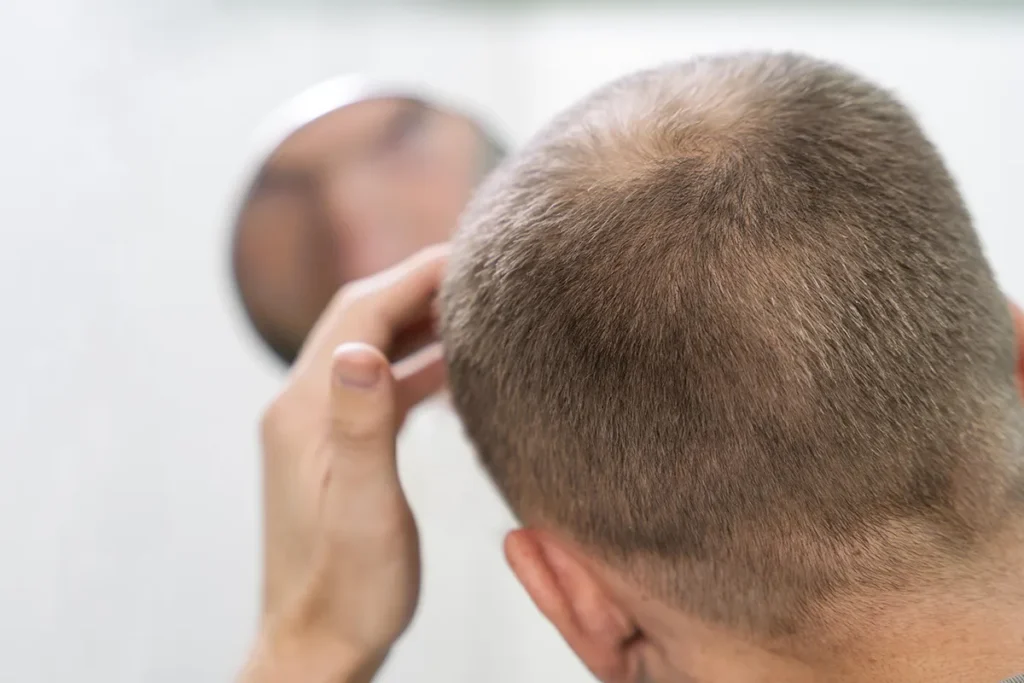
The hair follicle is a dynamic mini-organ that is responsible for hair growth. At Gold City Hair, we recognize the critical importance of understanding hair follicle anatomy and function in delivering comprehensive dermatological care.
Definition and Basic Structure
Hair follicles are downward extensions of the epidermis that project into the underlying dermis. Each follicle gives rise to a strand of hair, which grows from its base and extends towards the skin surface. The hair follicle is composed of several distinct regions, including the infundibulum, isthmus, and inferior segment, each playing a critical role in hair production.
The infundibulum is the upper portion of the follicle, extending from the skin surface to the sebaceous gland duct. The isthmus is the middle segment, located between the sebaceous gland duct and the arrector pili muscle attachment. The inferior segment is the lower part of the follicle, where the hair bulb is located.
Relationship Between Follicles and Skin
Hair follicles interact closely with other skin components, such as sebaceous glands and arrector pili muscles, to facilitate hair growth and maintenance. The sebaceous glands produce sebum, an oily substance that helps to condition the hair and skin. The arrector pili muscles, on the other hand, control the angle of the hair follicle, causing the hair to stand upright in response to cold or emotional stimuli.
Understanding the relationship between hair follicles and surrounding skin structures is key. It helps us appreciate the complex processes involved in hair production. By recognizing the importance of hair follicle anatomy and function, we can better address various hair-related disorders and develop effective treatments.
Anatomy of Hair Bulbs and Their Critical Role

Learning about hair bulbs is key to understanding hair growth. The hair bulb is at the base of the hair follicle. It’s vital for making hair.
The Three Main Regions of a Hair Follicle
A hair follicle has three main parts: the infundibulum, the isthmus, and the suprabulbar region. The hair bulb is at the bottom. Each part has its own role in hair health and growth.
The infundibulum is at the top, from the skin to the sebaceous gland. The isthmus is below the gland, to the arrector pili muscle. The suprabulbar region is between the muscle and the hair bulb.
Hair Bulb Components: Dermal Papilla and Matrix
The hair bulb has two key parts: the dermal papilla and the hair matrix. The dermal papilla is at the base, full of blood vessels and nerves. It gives hair the nutrients and oxygen it needs to grow.
The hair matrix is around the dermal papilla. It’s where cells divide fast to make the hair shaft. It also has melanocytes that make melanin, which decides hair color.
How Hair Bulbs Determine Hair Characteristics
The hair bulb’s structure and function greatly affect hair traits like color, strength, and growth speed. The dermal papilla’s size and melanocytes in the hair matrix play big roles.
The dermal papilla’s size can change hair shaft thickness.
Melanocytes’ activity decides hair color.
How fast cells divide in the hair matrix affects growth speed.
Changes in the hair bulb can alter hair look and growth. Knowing this helps fix hair problems and promote healthy growth.
Functions and Biological Processes of Hair Follicles
It’s important to know how hair follicles work to keep our hair healthy. Hair follicles are tiny organs that help grow hair and keep the scalp healthy.
Hair Production Mechanism
The function of the hair follicle is to make hair. This happens through a detailed process involving different cells and growth factors. Inside the follicle, dermal papilla and matrix cells create the hair shaft.
Hair growth is influenced by hormones, growth factors, and the follicle’s own traits. Knowing this helps us understand how hair grows and why it might stop.
The Four Phases of the Hair Growth Cycle
The hair growth cycle has four phases: anagen, catagen, telogen, and exogen. The anagen phase is the longest, where hair grows.
The anagen phase can last several years, depending on the individual and the location of the hair follicle.
The catagen phase is a short transitional phase that lasts about two weeks, where the hair follicle prepares for the resting phase.
The telogen phase, or resting phase, lasts about three months, during which the hair is released from the follicle but remains in place.
The exogen phase is the shedding phase, where the hair is released from the scalp.
Common Hair Follicle Conditions and Health
Hair follicles can face many issues that affect hair growth and health. These include genetic hair loss, hormonal imbalances, poor nutrition, and scalp problems.
To keep hair follicles healthy, eat well, take care of your scalp, and manage hormones. Knowing what affects hair follicle health helps prevent or lessen hair problems.
Conclusion: The Importance of Maintaining Healthy Follicles
Knowing how hair follicles work is key for good skin care. Healthy follicles help your hair grow strong and thick. But, if they get damaged, your hair can become weak or even stop growing.
It’s important to keep your follicles healthy for your hair’s sake. The right care can stop hair loss and help your hair grow well. Dermatologists play a big role in keeping your hair follicles in top shape.
Learning about hair follicles helps you protect them and keep your scalp healthy. The air follicle’s role is vital for hair growth. Knowing this can help you understand your hair better.
By focusing on healthy follicles, you can have a fuller, healthier head of hair. Good dermatological care can tackle common hair problems. This leads to better hair health overall.
SSS
What is a hair follicle?
A hair follicle is a small tubular structure in the skin that produces and supports hair growth.
What are the different regions of a hair follicle?
Hair follicles have three main regions: the hair bulb at the base, the inner and outer root sheaths, and the hair shaft that emerges from the scalp.
What is the function of the dermal papilla in the hair bulb?
The dermal papilla provides nutrients and signals to the hair matrix cells, stimulating hair growth.
How do hair follicles interact with other skin components?
Hair follicles connect with sebaceous glands, blood vessels, and nerves to maintain hair health and respond to signals like hormones.
What are the phases of the hair growth cycle?
The hair growth cycle includes anagen (growth), catagen (transitional), and telogen (resting/shedding) phases.
What factors influence hair follicle health?
Nutrition, hormones, genetics, stress, and scalp hygiene all affect follicle function and hair growth.
What is the role of the hair matrix in hair production?
The hair matrix contains rapidly dividing cells that form the hair shaft and inner root sheath.
How do alterations in hair bulb components affect hair growth?
Damage or dysfunction in the dermal papilla or hair matrix can lead to thinning, slower growth, or hair loss.
What is the importance of maintaining healthy hair follicles?
Healthy follicles ensure strong, thick hair growth, prevent premature hair loss, and maintain overall scalp health.
Referanslar
Ulusal Biyoteknoloji Bilgi Merkezi. Kanıta Dayalı Tıbbi Öngörü. Erişim adresi https://pubmed.ncbi.nlm.nih.gov/4358640/