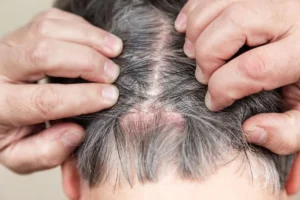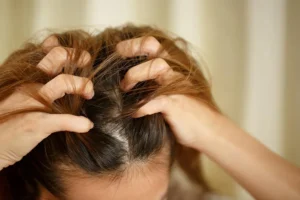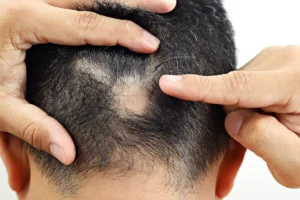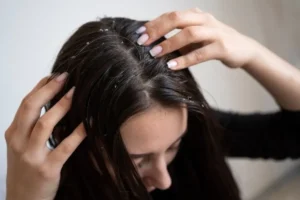

Dandruff can be embarrassing and frustrating when it starts suddenly. Dandruff affects between 30 to 95 percent of the global population. It’s a common scalp condition that causes small pieces of dry skin to flake off.
The Medical organization says it’s not contagious or harmful. But, it can be hard to treat.
Dandruff often starts when Malassezia fungi grows too much. This fungus makes skin cells on the scalp renew faster. At Gold City Hair, we know dandruff needs more than just quick fixes.
We use evidence-based dermatology and personalized care. Our goal is to help you feel confident again through effective treatments.
Önemli Çıkarımlar
Dandruff is a common condition affecting a significant portion of the global population.
It’s characterized by small pieces of dry skin flaking from the scalp.
The condition is linked to an overgrowth of Malassezia fungi.
Effective treatment requires evidence-based dermatological expertise.
Personalized care is key for addressing dandruff and boosting confidence.
Understanding Sudden Dandruff Onset
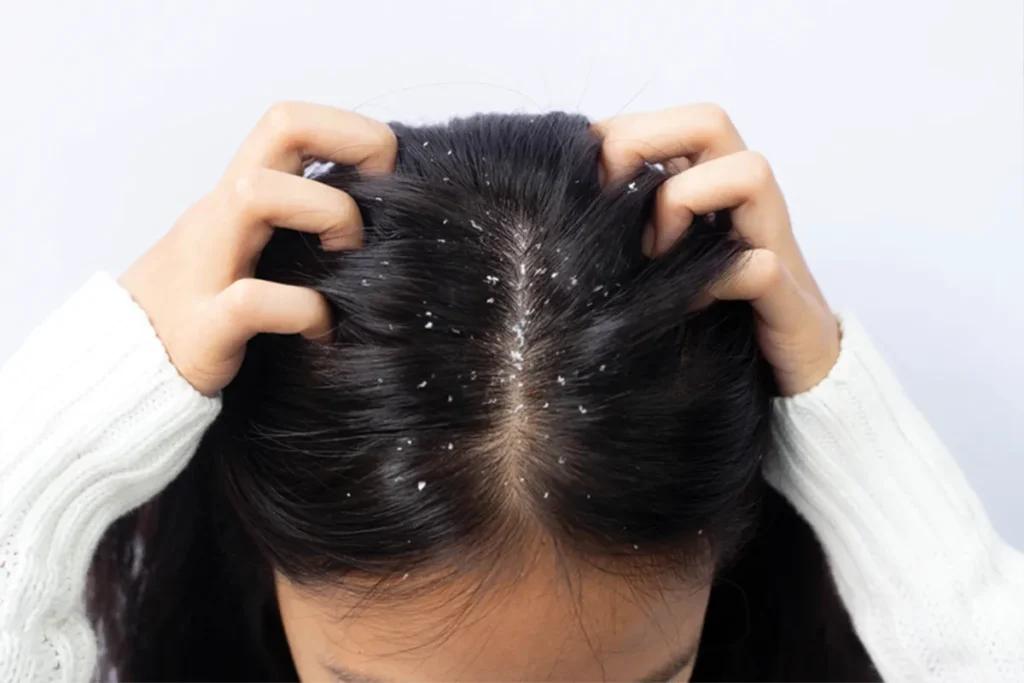
Dandruff can pop up suddenly, leaving many wondering why. It’s a condition where dead skin flakes off the scalp. It often comes with itchiness and irritation.
What Is Dandruff and How Common Is It?
Dandruff is a chronic scalp issue caused by an imbalance in the scalp’s microbiome. This imbalance leads to an overgrowth of yeast. According to Davines, this imbalance causes unsightly flakes and can lead to social anxiety. It affects a lot of people worldwide at some point.
Many things can disrupt the scalp’s natural environment. Stress, hygiene habits, and product usage are some of them. Understanding these factors is key to managing and preventing dandruff.
Stress and hormonal changes can trigger dandruff.
Poor scalp hygiene or using the wrong hair care products can make it worse.
Certain health conditions can also contribute to dandruff’s onset.
Signs of Sudden Dandruff Development
It’s important to recognize the signs of dandruff early. Common signs include:
Visible flakes on the scalp or in the hair.
Itchiness or irritation on the scalp.
Redness or inflammation in severe cases.
Addressing these symptoms quickly can help lessen the condition’s impact.
The sudden appearance of dandruff can be due to an overgrowth of Malassezia fungi. This yeast is naturally found on the scalp. Managing its overgrowth is essential to controlling dandruff.
Why Do I Have Dandruff All of a Sudden?
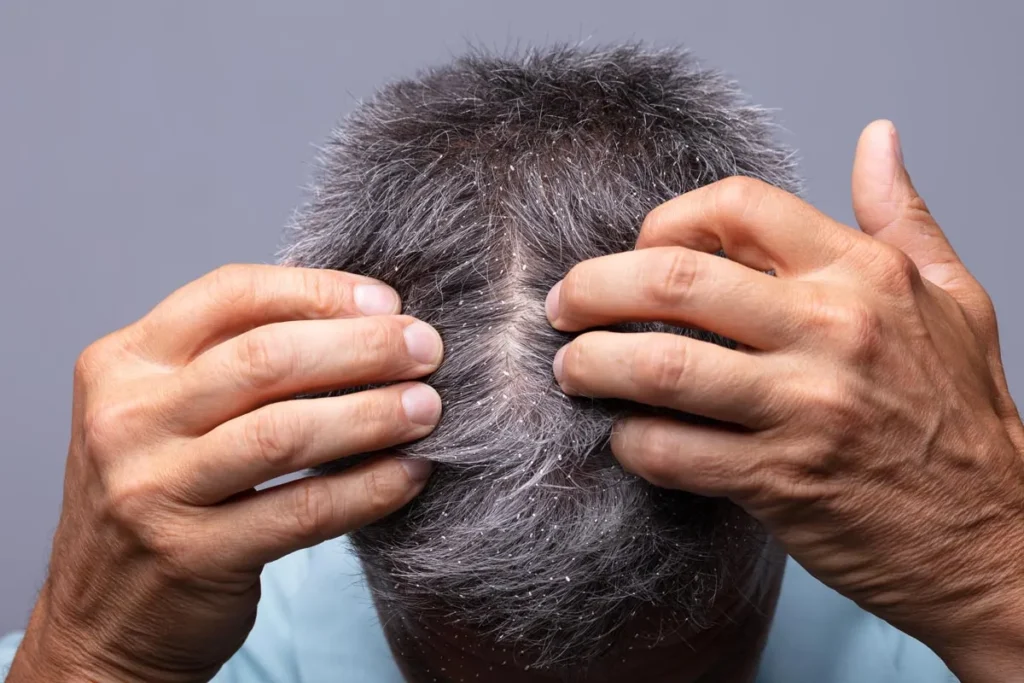
Dandruff can start suddenly and without warning. It’s a complex issue with many causes.
Malassezia Fungi Overgrowth
Malassezia fungi growing too much on the scalp is a main cause of dandruff. These fungi eat the sebum from the scalp. For some, this can cause irritation, inflammation, and flaking.
Studies show that Malassezia growing too much is a big part of dandruff. Controlling this growth is key to fighting dandruff.
Sebaceous Gland Activity and Sebum Production
The sebaceous glands are important in dandruff because they make sebum. Malassezia fungi break down this sebum. More sebum can make dandruff worse.
Things like hormonal changes, stress, and how you take care of your scalp can affect sebum production. Knowing these can help manage dandruff.
Individual Susceptibility Factors
Some people are more likely to get dandruff because of their genes, skin conditions, or lifestyle. Knowing what makes you more likely to get dandruff is important.
Understanding how Malassezia fungi overgrowth, sebaceous gland activity, and individual susceptibility work together can help manage dandruff. This knowledge can lead to finding good ways to deal with it.
Taking Control: Effective Solutions for Sudden Dandruff
Getting rid of dandruff is possible with the right steps. If you’re wondering “hy do i all of a sudden have dandruff,” finding the cause is key. Then, you can start solving the problem.
Davines suggests using clarifying shampoos or those with antifungal ingredients. These help clear out product buildup and control Malassezia, a fungus that causes dandruff. Using these products regularly can help manage and prevent dandruff.
Knowing “hat does fungal dandruff look like” is important for the right treatment. Fungal dandruff shows as white or yellow flakes on the scalp. It also causes redness and itchiness. Spotting these signs early helps you tackle the problem.
To fight “hy am i suddenly getting dandruff,” try medicated shampoos and home remedies. The right mix of treatments and consistent use can lead to a healthy scalp. Say goodbye to “udden dandruff” with these steps.
SSS
Why do I have dandruff all of a sudden?
A sudden onset of dandruff is usually triggered by a change in your scalp’s environment that allows the naturally occurring fungus, Malassezia, to flourish. Common triggers include a shift in the weather (like moving into a cold, dry winter), a high-stress period that affects your hormones, or even switching to a new hair product that irritates your skin. Sometimes, not washing your hair as frequently as usual can also lead to a sudden buildup of oils that “feed” the dandruff-causing fungus.
What are the signs of sudden dandruff development?
Beyond the obvious white or yellow flakes, you might notice intense itching, a “tight” or inflamed feeling on the scalp, and a sudden increase in how oily your hair feels at the roots. If the dandruff develops into seborrheic dermatitis, the scalp may appear red or scaly, and the flakes might become larger and oilier rather than the fine, dry dust associated with a simple dry scalp.
How does Malassezia fungi contribute to dandruff?
Malassezia is a yeast-like fungus that lives on everyone’s scalp. It survives by breaking down sebum (your natural skin oil). When the fungus grows out of balance, it produces oleic acid as a byproduct. In sensitive individuals, this acid penetrates the skin barrier and triggers an inflammatory response, signaling the scalp to shed skin cells much faster than the normal 30-day cycle—creating the “snowfall” of flakes.
Can stress cause dandruff?
Yes, stress is a major contributor to sudden flare-ups. Stress triggers the release of cortisol, which can increase your scalp’s oil production. Additionally, chronic stress can weaken your immune system’s ability to keep fungal populations in check. While stress doesn’t “create” the fungus, it creates the perfect high-oil, low-defense environment for dandruff to take over.
What are the effective solutions for managing sudden dandruff?
-
Active Ingredients: Look for shampoos containing Ketoconazole, Zinc Pyrithione, or Selenium Sulfide.
-
Application Technique: Massage the shampoo into your scalp and let it sit for 3 to 5 minutes before rinsing so the active ingredients have time to work.
-
Clarifying: Use a clarifying wash once a week to remove product buildup that might be trapping oils.
How can I prevent dandruff from coming back?
Prevention is about maintenance rather than a one-time cure. Even after the flakes disappear, use a medicated shampoo once a week to keep fungal levels stable. Avoid applying heavy conditioners or oils directly to the scalp, and make sure to rinse your hair thoroughly after exercise to remove sweat and salt, which can irritate the skin.
What does fungal dandruff look like?
Fungal dandruff (seborrheic dermatitis) typically appears as yellowish, oily, and larger flakes compared to dry scalp flakes. It is often accompanied by a distinct redness on the scalp and may feel slightly “sticky” to the touch. In severe cases, it can form crusty patches behind the ears or along the hairline.
Can I treat dandruff at home?
Most mild to moderate cases can be handled at home with over-the-counter medicated shampoos. Some people find relief using Tea Tree oil (for its antifungal properties) or Apple Cider Vinegar rinses (to balance the scalp’s pH), though these are generally less potent than pharmaceutical options. If your scalp begins to ooze, crust, or doesn’t improve after a month of home care, it’s time to see a dermatologist.
Why am I getting dandruff all of a sudden?
If your habits haven’t changed, look at your diet or hair products. A sudden increase in sugary or high-yeast foods can sometimes impact skin health. Alternatively, you may be experiencing Contact Dermatitis, where your scalp is reacting to a specific ingredient in a new shampoo, hair dye, or styling cream, causing the skin to peel off in a way that looks like dandruff.
How do I know if I have dandruff or dry scalp?
The difference lies in moisture and oil:
-
Dry Scalp: Small, white, “dust-like” flakes. The rest of your skin (hands/legs) is likely dry too. It usually improves when you add moisture.
-
Dandruff: Larger, yellow, or oily-looking flakes. Your hair often feels greasy. It actually requires cleansing and antifungal treatment rather than just more oil or moisture.
Referanslar
Ulusal Biyoteknoloji Bilgi Merkezi. Kanıta Dayalı Tıbbi Öngörü. Erişim adresi https://pmc.ncbi.nlm.nih.gov/articles/PMC4852869/