Finding reliable alopecia help can feel overwhelming, especially when hair loss impacts both appearance and self‑esteem. This article walks you through the essential steps—from identifying the type of alopecia you’re dealing with, to exploring non‑surgical treatments, and understanding when a hair transplant might be the best option. According to recent studies, more than 40 % of adults experience noticeable hair thinning by age 35, making early intervention crucial.
We’ll break down the science behind hair loss, highlight proven therapies, and provide a clear roadmap for anyone seeking lasting improvement. Whether you’re dealing with patchy spots, gradual thinning, or complete baldness, the information here is designed to empower you with knowledge and realistic expectations.
By the end of this guide, you’ll know how to choose the right approach for your unique situation and why partnering with an experienced clinic can make all the difference.
Understanding Alopecia: Types and Causes
Before seeking any form of alopecia help, it’s important to recognize that alopecia is not a single condition but a group of disorders that affect hair follicles in different ways. The most common types include:
- Androgenetic alopecia (male or female pattern baldness)
- Alopecia areata – an autoimmune condition causing sudden, round patches of hair loss
- Telogen effluvium – temporary shedding triggered by stress, illness, or medication
- Scarring alopecia – permanent loss due to inflammation that destroys follicles
Key factors that contribute to hair loss are genetics, hormonal changes, nutritional deficiencies, and environmental stressors. Understanding the root cause helps clinicians tailor the most effective treatment plan.
| Type of Alopecia | Typical Pattern | Primary Cause | Reversibility |
|---|---|---|---|
| Androgenetik Alopesi | Gradual thinning on crown and frontal hairline | Genetic sensitivity to dihydrotestosterone (DHT) | Partially reversible with medication |
| Alopesi Areata | Round, smooth patches | Autoimmune attack on follicles | Variable; many respond to immunotherapy |
| Telogen Effluvium | Diffuse shedding across scalp | Physical or emotional stress, hormonal shifts | Usually self‑limiting within months |
| Scarring Alopecia | Irregular, often painful areas | Chronic inflammation, infection, or trauma | Often permanent; early treatment essential |
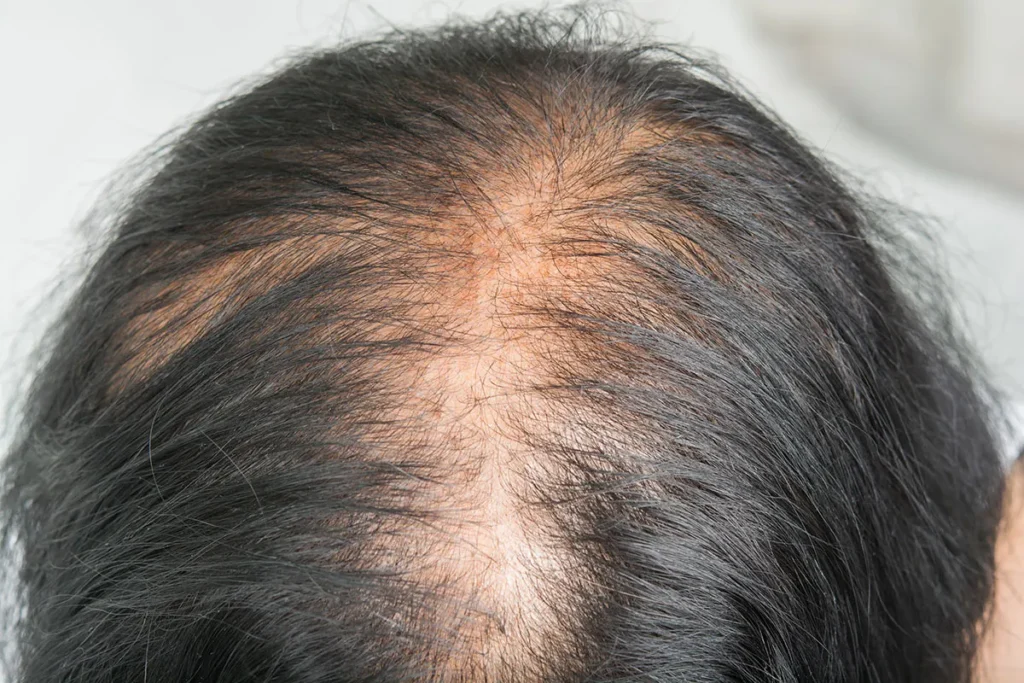
Non‑Surgical Options for Alopecia Help
For many individuals, the first line of alopecia help involves topical or oral therapies that stimulate hair growth and slow further loss. Below are the most widely used non‑surgical treatments and their typical outcomes.
Topical Treatments
- Minoxidil (2 % for women, 5 % for men) – FDA‑approved solution that prolongs the growth phase of hair follicles.
- Finasteride (oral) – Primarily for male pattern baldness; reduces DHT levels.
- Natural extracts such as rosemary oil, pumpkin seed oil, and caffeine‑based serums – Offer modest benefits for mild thinning.
Oral Supplements
- Biotin, zinc, and iron – Address nutritional deficiencies that can exacerbate shedding.
- Finasteride (for men) and spironolactone (for women) – Hormonal modulators that target the underlying cause of androgenetic alopecia.
- Plant‑based blends (e.g., Nutrafol, Viviscal) – Combine vitamins, antioxidants, and botanical extracts to support overall scalp health.
Procedural Alternatives
- Platelet‑rich plasma (PRP) therapy – Concentrated platelets injected into the scalp to promote follicular regeneration.
- Low‑level laser therapy (LLLT) – Devices that emit red light to increase cellular metabolism in hair follicles.
| Treatment | Mode of Action | Typical Results | Time to Noticeable Effect |
|---|---|---|---|
| Minoxidil | Vasodilation, prolongs anagen phase | 5‑10 % increase in density | 3‑6 months |
| Finasterid | DHT inhibition | Stabilizes loss, modest regrowth | 6‑12 months |
| PRP | Growth factor release | 10‑30 % increase in thickness | 2‑4 months per session |
| LLLT | Cellular stimulation | Improved texture, mild regrowth | 3‑6 months |
When Surgical Intervention Is the Right Choice
If non‑surgical methods have not delivered satisfactory results, a hair transplant may provide the most durable solution. Modern techniques such as Follicular Unit Extraction (FUE) and Direct Hair Implantation (DHI) allow for high‑density restoration with minimal scarring.
Suitability Criteria
- Stable donor area – sufficient healthy follicles on the back or sides of the scalp.
- Diagnosed pattern baldness or localized alopecia areata patches that are unresponsive to medication.
- Realistic expectations regarding density and coverage.
Comparing FUE and DHI
| Technique | Procedure Steps | Recovery Time | Typical Graft Survival Rate |
|---|---|---|---|
| FUE | Individual follicles harvested, then implanted | 7‑10 days | 85‑90 % |
| DHI | Follicles extracted and implanted using a patented implanter pen | 5‑7 days | 90‑95 % |
Both methods can be tailored to treat male or female pattern baldness, as well as specific bald spots caused by alopecia areata. The decision often depends on surgeon expertise, patient comfort, and desired precision.
Preparing for a Hair Transplant: What to Expect
Successful outcomes begin long before the first incision. Proper preparation ensures the surgeon can achieve optimal graft survival and natural‑looking results.
Pre‑Consultation Checklist
- Medical history review – disclose any medications, hormonal treatments, or autoimmune conditions.
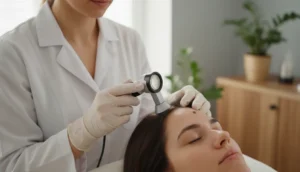
- Scalp analysis – the surgeon assesses donor density and identifies any scar tissue.
- Photography – standardized images document baseline hair loss.
- Discussion of goals – realistic expectations are set regarding density, coverage, and timeline.
Day‑Of‑Procedure Overview
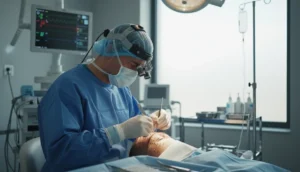
- Local anesthesia is administered to keep the patient comfortable.
- Follicles are harvested using FUE or DHI tools.
- Grafts are meticulously placed according to natural hair growth patterns.
- The procedure typically lasts 6‑8 hours for moderate‑to‑large sessions.
Post‑Operative Care
- Gentle washing with a prescribed shampoo after 48 hours.
- Avoid direct sunlight, heavy exercise, and tight hats for at least two weeks.
- Follow‑up visits at 1 week, 1 month, and 6 months to monitor graft integration.
Adhering to these guidelines maximizes graft survival and reduces the risk of complications, giving you the best chance for a natural, lasting transformation.
Maintaining Results and Ongoing Care
Even after a successful transplant, long‑term maintenance is essential to preserve both native and transplanted hair. Continued alopecia help involves a combination of lifestyle choices, targeted products, and periodic professional assessments.
Daily Hair‑Care Routine
- Use a sulfate‑free shampoo and conditioner to reduce scalp irritation.
- Apply a topical minoxidil solution if recommended by your surgeon for added density.
- Massage the scalp gently for 2‑3 minutes daily to improve blood flow.
Nutrition and Supplements
Key nutrients that support hair health include omega‑3 fatty acids, vitamin D, iron, and biotin. A balanced diet rich in lean proteins, leafy greens, and nuts can complement medical treatments.
Regular Follow‑Ups
Most clinics schedule a check‑up at six months and one year post‑procedure to assess growth and address any concerns. Early detection of new shedding patterns allows for timely intervention, whether through topical agents or supplemental therapy.
| Time Post‑Transplant | Typical Hair Growth Phase | Recommended Maintenance |
|---|---|---|
| 0‑2 weeks | Scabbing and shedding of grafts | Gentle washing, avoid friction |
| 2‑4 months | Early new hair emergence | Introduce minoxidil if advised |
| 4‑12 months | Rapid thickening phase | Maintain nutrition, regular scalp massage |
| 12 months+ | Stabilization and maturation | Annual professional review, ongoing care |
Why Choose Gold City Hair for Your Alopecia Journey
Since 2017, Gold City Saç has been dedicated to delivering personalized hair restoration solutions in Turkey. Our team combines advanced FUE and DHI techniques with transparent communication, ensuring every patient receives a treatment plan tailored to their specific type of alopecia. With a focus on safety, natural‑looking results, and post‑procedure support, we help individuals regain confidence and enjoy lasting hair health.
Ready to take the next step toward lasting hair restoration? Contact Gold City Hair today to schedule a personalized consultation and discover the most effective alopecia help for your unique needs.
SSS
What are the main types of alopecia and how do they differ?
Alopecia includes androgenetic alopecia, alopecia areata, telogen effluvium, and scarring alopecia, each with distinct patterns and causes.
Which non‑surgical treatments are most effective for hair loss?
Topical minoxidil, oral finasteride, PRP therapy, and low‑level laser therapy are among the most evidence‑based non‑surgical options.
How does PRP therapy work for alopecia?
PRP injects concentrated platelets into the scalp to release growth factors that stimulate follicle regeneration.
When should I consider a hair transplant for alopecia?
A transplant is advisable when non‑surgical methods have plateaued and you have a stable donor area with realistic expectations.
What is the difference between FUE and DHI hair transplant techniques?
FUE extracts individual follicles and implants them later, while DHI extracts and implants follicles in one step using a pen‑like device.
How should I care for my scalp after a hair transplant?
Follow gentle washing guidelines, avoid sun and strenuous activity, and attend scheduled follow‑ups to ensure graft survival.