When it comes to hair loss medication, many people wonder which treatments truly work and how they fit into a broader hair restoration plan. This article breaks down the science behind common drugs, over‑the‑counter products, and the role they can play alongside surgical procedures. According to recent studies, up to 70% of men experience some degree of androgenetic alopecia by age 35, making early intervention crucial.
We’ll explore how these medications stimulate hair growth, compare prescription choices like finasteride and minoxidil, and discuss safety considerations you should keep in mind. Whether you’re dealing with thinning hair, a receding hairline, or full‑scale baldness, understanding your options empowers you to make informed decisions.
By the end of this guide, you’ll have a clear roadmap for selecting the right medication, recognizing potential side effects, and integrating medical therapy with advanced procedures such as FUE or DHI hair transplants offered at Gold City Hair.
How Hair Loss Medications Work
Hair loss medications target the underlying hormonal or cellular processes that cause follicles to shrink and stop producing pigment. The most common mechanism involves blocking dihydrotestosterone (DHT), a derivative of testosterone that binds to receptors in the scalp and accelerates follicular miniaturization.
Two primary pathways are addressed by medication:
- DHT inhibition: Reduces the hormone’s impact on hair follicles, slowing or reversing the miniaturization process.
- Follicle stimulation: Enhances blood flow and nutrient delivery to the scalp, encouraging dormant follicles to re-enter the growth (anagen) phase.
In addition to hormonal control, some products contain vasodilators, antioxidants, or vitamins that support a healthy scalp environment. By improving circulation and reducing oxidative stress, these agents create conditions where hair can grow more robustly.
Below is a concise comparison of the main action types and typical outcomes:
| Action Type | Primary Goal | Typical Results (6‑12 months) |
|---|---|---|
| DHT Inhibition | Prevent further follicle miniaturization | Stabilization of hair loss, modest regrowth in 30‑40% of users |
| Follicle Stimulation | Reactivate dormant follicles | Visible thickening and new growth in 20‑30% of users |
| Combined Approach | Address both hormonal and vascular factors | Best outcomes when used with lifestyle support |
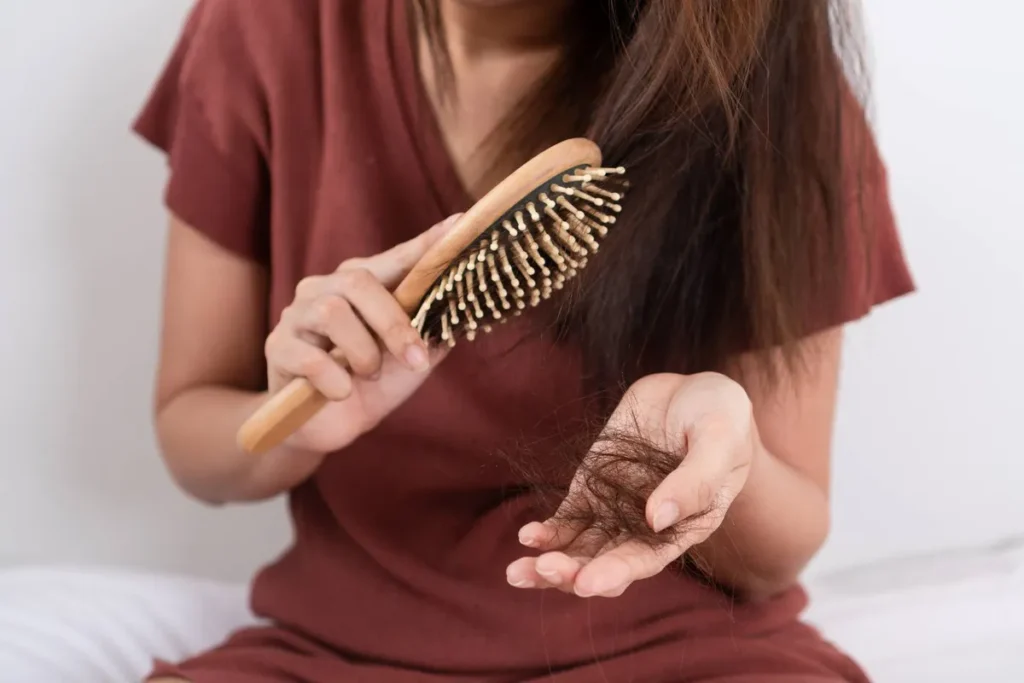
Common Prescription Options: Finasteride and Minoxidil
Among the most widely studied hair loss treatment drugs, finasteride and minoxidil dominate the market. Both have extensive clinical data supporting their efficacy, yet they differ significantly in administration and target demographics.
Finasteride (5 mg and 1 mg)
Finasteride works by inhibiting the enzyme 5‑alpha‑reductase, which converts testosterone to DHT. The 1 mg dose is typically prescribed for men with androgenetic alopecia, while the 5 mg formulation is used for benign prostatic hyperplasia but may also be recommended off‑label for severe cases.
- Typical dosage: 1 mg daily for hair loss.
- Onset of visible improvement: 3‑6 months.
- Long‑term success: Up to 90% of users maintain existing hair density.
Minoxidil for Men (2 % and 5 %)
Originally developed as a blood pressure medication, minoxidil is applied topically and acts as a vasodilator, increasing blood flow to the scalp. The 5 % solution is now the standard for men seeking faster results, while a 2 % formulation remains available for those with sensitive skin.
- Application: Twice daily to clean, dry scalp.
- Visible results: Usually within 2‑4 months.
- Best for: Early‑stage thinning and vertex balding.
Both drugs are often combined with other hair growth products to maximize efficacy. Below is a quick reference table for clinicians and patients:
| Medication | Form | Primary Use | Key Benefit | Common Side Effects |
|---|---|---|---|---|
| Finasterid | Oral tablet | DHT inhibition | Prevents further loss, modest regrowth | Sexual dysfunction, rare depression |
| Minoxidil | Topical solution | Follicle stimulation | Rapid thickening, easy to use | Scalp irritation, unwanted facial hair |
Over‑the‑Counter Hair Growth Products and Supplements
For individuals hesitant to start prescription therapy, a range of over‑the‑counter (OTC) hair growth supplements and topical solutions offer a gentler entry point. While these products typically lack the potency of finasteride or minoxidil, many contain ingredients that support scalp health and can complement prescription regimens.
Key Ingredients in OTC Formulations
- Biotin: A B‑vitamin that strengthens keratin structure.
- Saw Palmetto: A natural DHT blocker derived from palm berries.
- Caffeine: Improves microcirculation in the scalp.
- Peptide Complexes: Stimulate cellular signaling for hair growth.
When selecting a product, look for clinically backed dosages and transparent labeling. Below is a comparison of popular categories:
| Product Type | Typical Ingredients | Suggested Use | Evidence Level |
|---|---|---|---|
| Biotin Supplements | Biotin 5 000 µg | Oral daily | Low – supports overall hair health |
| Saw Palmetto Capsules | Saw Palmetto extract 320 mg | Oral twice daily | Moderate – mild DHT reduction |
| Caffeine Shampoos | Caffeine 0.1 % | Apply during wash, 2‑3 times/week | Low – improves scalp circulation |
| Peptide Serums | Copper peptides, GHK‑Cu | Topical nightly | Emerging – promising early trials |
While OTC options can be useful, they are most effective when paired with a comprehensive plan that includes professional evaluation. For persistent or advanced balding, prescription medication or surgical intervention may be necessary.
Potansiyel Yan Etkiler ve Önlemler
Every medication carries a risk profile, and hair loss medication is no exception. Understanding possible side effects helps you weigh benefits against drawbacks and decide whether a particular treatment aligns with your health status.
Finasteride Risks
- Sexual dysfunction (decreased libido, erectile issues).
- Potential mood changes, including depression.
- Rare cases of breast tenderness or enlargement.
Minoxidil Risks
- Scalp irritation, itching, or redness.
- Unwanted facial hair growth if the solution drips.
- Temporary shedding during the first 2‑4 weeks.
OTC Product Considerations
- Allergic reactions to botanical extracts.
- Interactions with other medications (e.g., blood thinners).
- Variability in product quality and concentration.
Before starting any regimen, consult a qualified dermatologist or a hair restoration specialist. They can assess underlying conditions such as thyroid disorders, iron deficiency, or autoimmune alopecia that may mimic or exacerbate hair loss. Regular monitoring—typically every 3‑6 months—ensures that any adverse effects are caught early and managed appropriately.
Integrating Medication with Hair Transplant Procedures
For many patients, medication alone does not achieve the desired density, especially in advanced stages of balding. Combining hair loss medication with a hair transplant can enhance both graft survival and long‑term results.
Pre‑Transplant Medication Use
Doctors often recommend continuing finasteride or minoxidil for at least 3‑6 months before surgery. This pre‑conditioning stabilizes the scalp environment, reduces ongoing follicular loss, and may improve graft uptake.
Post‑Transplant Maintenance
After a successful FUE or DHI procedure, patients typically maintain their medication regimen for at least a year. The continued DHT suppression prevents new thinning around the transplanted area, while minoxidil can promote faster healing of the recipient sites.
Case Study Summary
| Patient Profile | Medication Regimen | Transplant Technique | Outcome at 12 Months |
|---|---|---|---|
| Male, 34, Norwood 4 | Finasteride 1 mg daily + Minoxidil 5 % twice daily | DHI, 2500 grafts | 90 % graft survival, noticeable increase in density, no further thinning |
| Female, 42, diffuse thinning | Topical caffeine serum, biotin supplement | FUE, 1800 grafts | 80 % graft survival, improved scalp health, continued use of supplements |
Integrating medication with surgical restoration creates a synergistic effect: the transplant provides immediate visual improvement, while the medication safeguards existing hair and supports the growth of new follicles. At Gold City Hair, our specialists tailor a combined plan that aligns with your specific pattern of loss and aesthetic goals.
Why Choose Gold City Hair
Gold City Hair has been delivering personalized hair restoration solutions in Turkey since 2017. Our clinic specializes in advanced techniques such as FUE, DHI, and eyebrow/beard transplants, ensuring each patient receives a treatment plan that matches their unique needs. We prioritize transparent communication, thorough medical assessment, and post‑procedure support, helping you achieve lasting confidence through natural‑looking results.
Ready to take the next step toward fuller, healthier hair? Contact Gold City Hair today to schedule a personalized consultation and discover how the right medication combined with expert transplant techniques can transform your look.
SSS
What is the difference between finasteride and minoxidil?
Finasteride is an oral DHT inhibitor, while minoxidil is a topical vasodilator that stimulates blood flow to the scalp.
How long does it take to see results from hair loss medication?
Visible improvements typically appear after 3‑6 months for finasteride and 2‑4 months for minoxidil.
Are over‑the‑counter hair supplements effective?
OTC supplements can support scalp health but are generally less potent than prescription drugs.
What are the common side effects of finasteride and minoxidil?
Finasteride may cause sexual dysfunction and mood changes; minoxidil can cause scalp irritation and unwanted facial hair.
How should medication be used around a hair transplant?
Continue finasteride and minoxidil before surgery and maintain them for at least a year after the transplant.
Can women use finasteride for hair loss?
Finasteride is generally not recommended for women, especially those who are pregnant or may become pregnant.