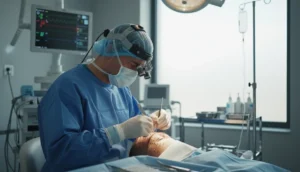
Post surgical hair loss is a common concern for patients who have recently undergone an operation. While the hair on the scalp is not directly involved in most surgeries, the stress of the procedure, anesthesia, and rapid changes in the body can trigger shedding. This article explores the underlying mechanisms, how to recognize the condition early, and what steps can be taken to prevent or treat it effectively.
According to dermatological studies, up to 30% of patients report noticeable hair thinning within weeks after major surgery. The phenomenon is often temporary, but for some, it can become a persistent issue that affects self‑esteem. Understanding why this happens is the first step toward maintaining a healthy head of hair during the recovery period.
We will examine the primary causes, diagnostic methods, preventive measures, and the most advanced treatment options available today, including those offered by Gold City Hair. By the end of this guide, you will have a clear roadmap to address post surgical hair loss and restore confidence in your appearance.
What Causes Hair Loss After Surgery?
The scalp reacts to a variety of physiological stresses that accompany an operation. The most frequent triggers include:
- Physical stress from the surgical trauma itself.
- Side effects of anesthesia, which can disrupt the normal hair growth cycle.
- Rapid weight loss or nutritional deficiencies, especially after bariatric procedures.
- Hormonal fluctuations caused by the body’s healing response.
- “Shock hair” or telogen effluvium, a condition where a large number of follicles enter the resting phase simultaneously.
Below is a comparison of temporary versus potentially permanent hair loss following surgery:
| Factor | Temporary (Telogen Effluvium) | Potentially Permanent |
|---|---|---|
| Anesthesia | Usually resolves within 3‑6 months | Rare, linked to nerve damage |
| Severe Nutrient Deficiency | Hair regrows with proper nutrition | May cause scarring alopecia if untreated |
| Hormonal Shock | Hair cycle normalizes after hormone levels stabilize | Chronic hormonal imbalance can lead to lasting thinning |
Understanding these triggers helps patients and clinicians decide whether simple lifestyle adjustments are enough or if more intensive intervention is required.

How to Identify and Diagnose Post Surgical Hair Loss
Early detection is crucial for effective management. Patients should monitor the following signs within the first few weeks after an operation:
- Increased shedding of hair during washing or brushing.
- Noticeable thinning on the crown or frontal scalp.
- Patchy areas that feel smoother to the touch.
- Overall feeling of hair fragility or breakage.
When these symptoms appear, a dermatologist may perform a clinical scalp examination and request a trichogram or dermoscopy to assess follicle health. Blood tests can also reveal deficiencies in iron, vitamin D, or thyroid hormones, all of which can exacerbate hair thinning after surgery.
For patients who have undergone procedures such as gastric sleeve or bariatric surgery, it is common to see a combination of weight loss‑related shedding and anesthesia‑related effects. In such cases, the diagnostic process should also consider nutritional status and any rapid changes in body mass.
Effective Strategies to Prevent Hair Loss After Operations
Prevention begins before the operation and continues throughout the recovery phase. Implementing the following measures can significantly reduce the risk of post surgical hair loss:
- Optimize Nutrition: Ensure adequate intake of protein, iron, zinc, and vitamins A, C, D, and E. Supplements may be necessary after bariatric procedures.
- Gentle Hair Care: Use a mild, sulfate‑free shampoo and avoid harsh brushing or heat styling for at least a month post‑op.
- Manage Stress: Incorporate relaxation techniques such as deep breathing, meditation, or light walking to lower cortisol levels.
- Discuss Anesthesia Effects: Talk to your anesthesiologist about potential hair‑related side effects; some agents have a lower risk of triggering telogen effluvium.
- Monitor Weight Changes: Rapid weight loss can exacerbate shedding; aim for a gradual, medically supervised reduction when possible.
Patients who combine these lifestyle adjustments with topical treatments—such as minoxidil or biotin‑rich serums—often experience less severe shedding and faster regrowth.
Treatment Options for Restoring Hair After Surgery
If shedding persists beyond six months or leads to noticeable thinning, several medical and surgical options are available:
- Topical Therapies: Minoxidil 5% solution applied twice daily can stimulate follicular activity.
- Platelet‑Rich Plasma (PRP): Injections of autologous plasma promote healing and encourage hair growth.
- Low‑Level Laser Therapy (LLLT): Devices that emit red light to improve cellular metabolism in the scalp.
- Hair Transplant Techniques: Follicular Unit Extraction (FUE) and Direct Hair Implantation (DHI) provide permanent, natural‑looking results.
- Medical Management: Address underlying hormonal or nutritional issues with appropriate medication or supplements.
Below is a quick comparison of the most common treatments:
| Treatment | Effectiveness | Recovery Time | Typical Cost (USD) |
|---|---|---|---|
| Minoxidil | Moderate | 3‑6 months for visible results | $30‑$70 per month |
| PRP | High (in early‑stage loss) | 2‑3 weeks per session | $500‑$800 per session |
| LLLT | Low‑to‑Moderate | Ongoing use, 6‑12 weeks for improvement | $200‑$1,200 (device) |
| FUE / DHI Transplant | Very High | 7‑10 days post‑procedure | $2,000‑$7,000 (depends on graft count) |
For patients who have experienced hair loss after bariatric surgery or gastric sleeve procedures, combining nutritional rehabilitation with PRP or a hair transplant often yields the best outcomes.
When to Seek Professional Help for Post Surgical Hair Loss
While mild shedding often resolves on its own, certain warning signs indicate the need for expert intervention:
- Hair loss persists beyond six months without any sign of regrowth.
- Patchy or bald areas develop rapidly.
- Accompanying scalp symptoms such as itching, redness, or pain.
- History of severe nutritional deficiencies or hormonal disorders.
- Psychological distress or significant impact on self‑confidence.
Consulting a qualified dermatologist or a specialized hair restoration clinic like Gold City Hair ensures a comprehensive assessment and a tailored treatment plan. Early professional involvement can prevent permanent follicular damage and accelerate the return of a full, healthy head of hair.
Why Choose Gold City Hair for Your Hair Restoration Needs
Gold City Hair has been delivering personalized hair restoration solutions in Turkey since 2017. Our clinic combines the latest FUE and DHI technologies with a patient‑centered approach, ensuring transparent communication at every step. Whether you are dealing with post surgical hair loss or seeking a permanent transplant, our experienced team tailors each plan to your unique situation, helping you regain confidence and a natural‑looking hairline.
Ready to stop worrying about post surgical hair loss? Contact Gold City Hair today for a personalized consultation and discover the most effective path to restoring your hair and confidence.
SSS
What is post surgical hair loss and why does it happen?
Post surgical hair loss is temporary shedding that occurs after an operation due to stress, anesthesia, hormonal changes, and nutritional deficiencies.
How can I diagnose post surgical hair loss early?
Monitor increased shedding, thinning patches, and consult a dermatologist for scalp examination, trichogram, and blood tests.
What preventive measures reduce the risk of hair loss after surgery?
Optimize nutrition, use gentle hair care, manage stress, discuss anesthesia options, and monitor weight changes.
Which treatments are most effective for persistent post surgical hair loss?
Topical minoxidil, PRP injections, low‑level laser therapy, and hair transplant (FUE/DHI) are the main options.
When should I seek professional help for post surgical hair loss?
Seek a specialist if shedding lasts over six months, patches appear, or you experience scalp pain, itching, or psychological distress.
Why choose Gold City Hair for treating post surgical hair loss?
Gold City Hair offers personalized care, advanced FUE/DHI techniques, and a team experienced in post‑operative hair restoration.