Understanding when male baldness starts is essential for anyone noticing the first signs of hair thinning. This article explores the typical age range, early indicators, and the factors that can accelerate hair loss, providing you with a clear roadmap to proactive care. In fact, research shows that up to 30% of men begin to see noticeable changes by the age of 30, making early detection a key component of successful treatment.
We will break down the science behind androgenetic alopecia, discuss lifestyle influences, and outline practical steps you can take before the condition progresses. Whether you are experiencing a receding hairline or subtle thinning across the crown, recognizing the pattern early can empower you to make informed decisions about hair restoration.
By the end of this guide, you will have a solid understanding of the timeline of male pattern baldness, the warning signs to watch for, and the options available at Gold City Hair for restoring confidence and a full head of hair.
Understanding the Onset of Male Baldness
Male pattern baldness, medically known as androgenetic alopecia, typically begins due to a combination of genetic predisposition and hormonal activity. The hormone dihydrotestosterone (DHT) binds to hair follicles, shortening the growth phase and eventually leading to miniaturization of the hair shaft. While genetics set the stage, the exact timing varies widely among individuals.
Most men notice the first signs between their late teens and early thirties. A study of over 1,000 participants found that the average age of onset is around 27, but some men may experience a receding hairline as early as 15, especially if there is a strong family history of baldness.
Below is a quick reference of common age ranges and the typical hair changes observed:
- 15‑20 years: Early recession at the temples, often subtle.
- 21‑30 years: Noticeable thinning on the crown, slight widening of the part.
- 31‑40 years: Accelerated loss at the temples and crown, visible bald spots.
- 41‑50 years: Advanced thinning, potential complete baldness in some areas.
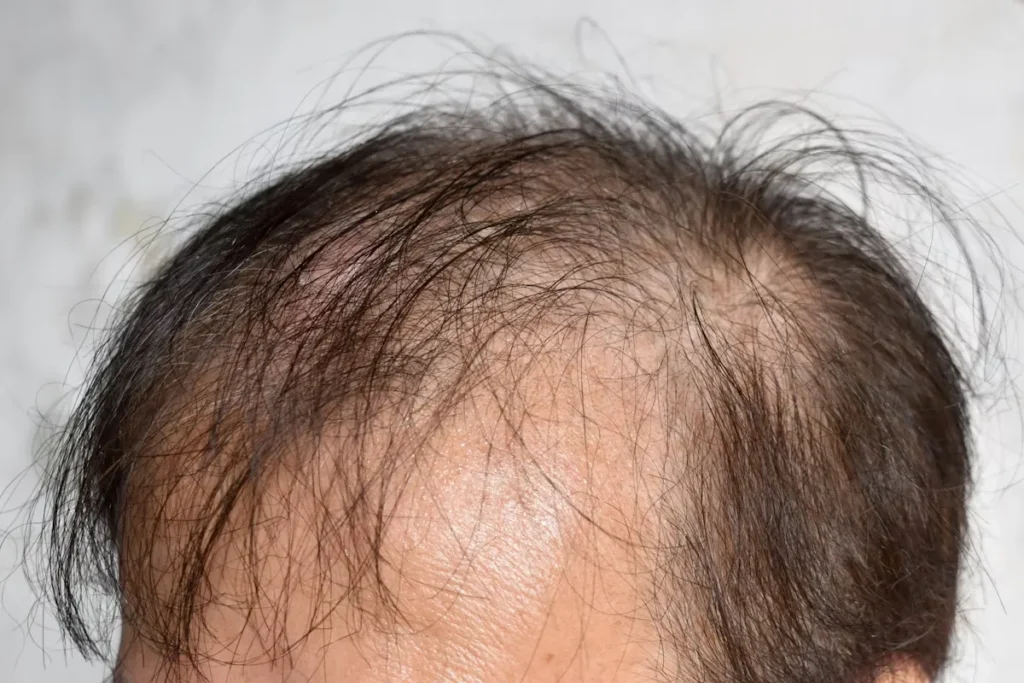
The following table outlines the typical progression of hair loss stages alongside common visual cues:
| Age Range | Typical Signs | Hair Loss Stage |
|---|---|---|
| 15‑20 | Temple recession, slight thinning | Stage I (Early) |
| 21‑30 | Crown thinning, widening part | Stage II (Moderate) |
| 31‑40 | Pronounced bald spots, increased recession | Stage III (Advanced) |
| 41‑50+ | Extensive baldness, possible total hair loss | Stage IV (Severe) |
Recognizing Early Signs of Hair Thinning
Spotting the early indicators of hair thinning can be challenging, but certain patterns are unmistakable. The most common early sign is a receding hairline that forms an “M” shape. Additionally, thinning on the crown often appears as a diffuse reduction in density rather than a distinct bald spot.
Understanding how to differentiate between normal shedding and the onset of male pattern baldness is crucial. Normal daily hair loss averages 50‑100 hairs, while balding is characterized by a persistent, progressive reduction in hair density over several months.
Key visual cues to monitor include:
- Visible scalp at the temples or crown.
- Increased hair shedding after washing or brushing.
- Feel of thinner hair when running fingers through the scalp.
- Family members with similar patterns of loss.
The table below compares typical hair thinning patterns with other types of hair loss, helping you identify whether you are experiencing androgenetic alopecia or another condition such as alopecia areata.
| Pattern | Location | Typical Cause | Progression Speed |
|---|---|---|---|
| Male Pattern Baldness | Temples & Crown | Androgenetic factors | Slow, steady |
| Alopesi Areata | Random patches | Autoimmune response | Variable, can regrow |
| Telogen Effluvium | Diffuse across scalp | Stress, hormonal changes | Rapid shedding, reversible |
Factors That Accelerate Balding
While genetics set the baseline, several lifestyle and health factors can hasten the onset of male baldness. Poor nutrition, chronic stress, smoking, and certain medications are known to exacerbate hair follicle miniaturization.
Hormonal imbalances, particularly elevated DHT levels, play a pivotal role. Foods high in saturated fats may increase DHT production, while a diet rich in vitamins and minerals supports healthier hair growth. Additionally, scalp health—such as frequent inflammation from harsh styling or tight hairstyles—can contribute to traction alopecia, further accelerating thinning.
Consider the following list of common accelerators:
- Smoking and excessive alcohol consumption.
- High‑sugar and high‑fat diets lacking essential nutrients.
- Chronic stress and lack of sleep.
- Use of anabolic steroids or certain prescription drugs.
- Frequent use of tight hats or aggressive hairstyling.
The impact of each factor can be visualized in the table below, which rates their typical contribution to accelerated balding on a scale of 1 (low) to 5 (high):
| Factor | Impact Rating | Notes |
|---|---|---|
| Smoking | 5 | Reduces blood flow to follicles. |
| Stres | 4 | Triggers hormonal changes. |
| Poor Nutrition | 4 | Lacks essential hair-building nutrients. |
| Medications (e.g., steroids) | 3 | May increase DHT levels. |
| Traction from hairstyles | 2 | Leads to localized alopecia. |
Ne Zaman Profesyonel Yardım Alınmalı?
If you notice any of the early signs described above, it is advisable to consult a hair restoration specialist before the condition advances. Early intervention offers the best chance to preserve existing hair and stimulate regrowth.
During a professional evaluation, a dermatologist or hair transplant surgeon will assess your scalp, review your medical history, and may perform a trichogram or dermoscopy to determine the severity of follicular miniaturization. Based on the findings, a personalized treatment plan can be created, ranging from medication to surgical options.
Typical steps before your first appointment include:
- Documenting the timeline of hair loss with photos.
- Gathering family history of baldness.
- Listing current medications and supplements.
- Preparing questions about treatment expectations.
The table below summarizes the main treatment pathways offered by experts, including those available at Gold City Hair:
| Treatment | Method | Typical Results | Duration |
|---|---|---|---|
| Topical Minoxidil | 5% solution applied twice daily | Slows loss, modest regrowth | 3‑6 months |
| Oral Finasteride | 1 mg tablet daily | Reduces DHT, stabilizes loss | 6‑12 months |
| FUE Hair Transplant | Follicular unit extraction | Natural density, permanent | 1‑2 weeks procedure, 12‑18 months growth |
| DHI Saç Ekimi | Direct hair implantation | Higher graft survival, quicker recovery | Similar timeline to FUE |
Preventive Measures and Early Interventions
While you cannot change your genetic predisposition, adopting preventive habits can delay the progression of male baldness. A balanced diet rich in biotin, zinc, iron, and omega‑3 fatty acids supplies the building blocks needed for healthy hair follicles.
Topical treatments such as minoxidil are most effective when started at the first sign of thinning. Consistent use, combined with a low‑stress lifestyle and proper scalp hygiene, creates an environment where existing hair can thrive.
Here are practical daily tips to support hair health:
- Massage the scalp gently for 5 minutes each night to stimulate circulation.
- Avoid excessive heat styling and harsh chemical treatments.
- Use a mild, sulfate‑free shampoo and condition regularly.
- Incorporate foods like salmon, eggs, nuts, and leafy greens.
- Consider a daily supplement containing biotin and vitamin D.
The following comparison highlights the relative effectiveness of common preventive products based on clinical studies:
| Product | Evidence Level | Typical Outcome |
|---|---|---|
| Minoxidil 5% | High | 10‑15% increase in hair density |
| Finasteride 1 mg | High | Stabilizes loss in 80% of users |
| Biotin Supplements | Moderate | Improved hair strength, modest growth |
| Natural Oils (e.g., rosemary) | Low‑Moderate | May support scalp health, limited regrowth |
Why Choose Gold City Hair
Gold City Hair combines over a decade of expertise with cutting‑edge techniques such as FUE and DHI, delivering natural‑looking results for men worldwide. Our personalized approach ensures every patient receives a treatment plan tailored to their unique pattern of hair loss, backed by transparent communication and comprehensive after‑care. With a focus on safety, affordability, and lasting confidence, Gold City Hair is a trusted partner for those seeking effective solutions to male baldness.
Ready to take control of your hair loss journey? Contact Gold City Hair today to schedule a confidential consultation and discover the best treatment options for you.
Regain confidence, restore your hair, and start a new chapter with a personalized plan that works.
SSS
At what age does male baldness usually start?
Most men notice the first signs between their late teens and early thirties, with an average onset around age 27.
What are the early signs of male pattern baldness?
The most common early signs are a receding hairline forming an “M” shape and thinning on the crown.
Which lifestyle factors can speed up hair loss?
Smoking, chronic stress, poor nutrition, certain medications, and tight hairstyles can accelerate baldness.
How can I tell if my hair shedding is normal or a sign of balding?
Normal shedding is 50‑100 hairs per day; persistent thinning and visible scalp indicate balding.
When should I consult a hair restoration specialist?
Seek professional help as soon as you notice consistent thinning or a receding hairline.
What treatment options are effective for early‑stage male baldness?
Topical minoxidil, oral finasteride, and lifestyle changes are the primary early‑stage treatments.