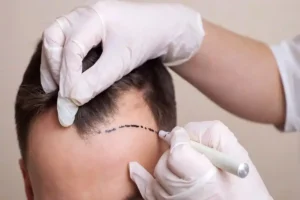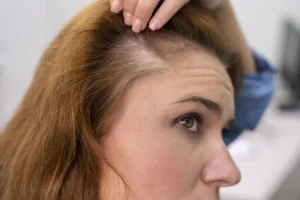
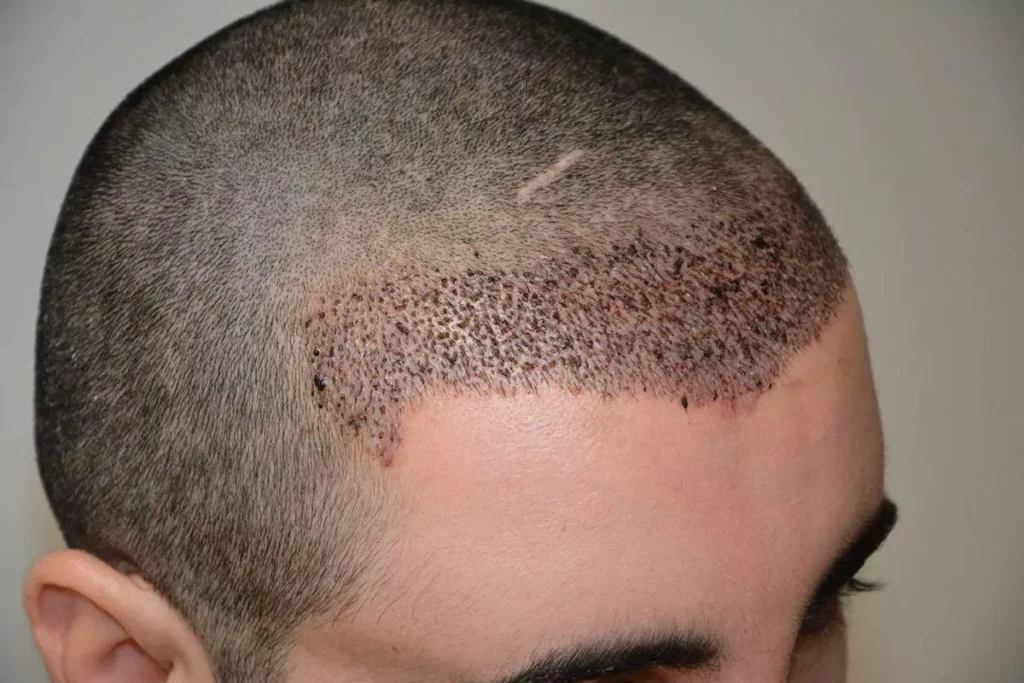
Regaining confidence through hair restoration is now easier than ever. For men with moderate hair loss, a 2000 graft hair transplant is a proven solution. It helps achieve a fuller crown and a natural hairline.
See 2000 hair grafts before and after photos. Discover the amazing transformation and real results of this proven hair restoration.
Thanks to advanced FUE technology and expert planning, this procedure offers natural-looking results in 12 months. It’s the top choice for over half of hair restoration patients, showing its effectiveness against hair loss.
At Gold City Hair, we’re dedicated to international medical standards and patient care. Your hair restoration journey will be both comfortable and successful. We focus on a transparent process and personalized care, guiding you every step of the way.
Key Takeaways
2000 graft hair transplant is a popular choice for men with moderate hair loss.
Advanced FUE technology ensures natural-looking results.
Procedure is designed to be pain-free and comfortable.
Results are visible within 12 months.
Personalized care and transparent process throughout the journey.
Understanding the 2000 Hair Graft Procedure
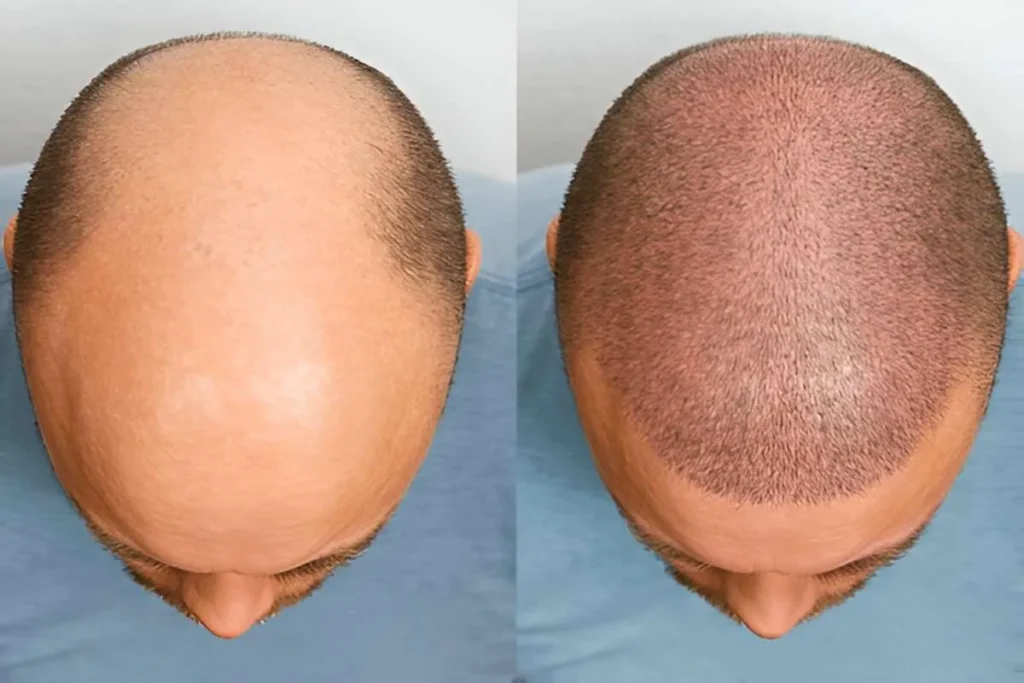
The 2000 hair graft procedure is a big step for those losing their hair. It moves hair follicles from the back and sides to the bald spots. This helps restore a full head of hair.
What Exactly Are Hair Grafts?
Hair grafts are small groups with one to four hair follicles. They come from the donor area and go to the bald spots. The aim is to look natural and have a full head of hair. The quality of the grafts and how well they’re placed are key to success.
Why 2000 Grafts Is the Most Common Choice
Choosing 2000 grafts is based on what most people need for moderate hair loss. For those at Norwood stage III-IV hair loss, it’s enough to fix the hairline or thinning crown in one go. It’s a good mix of coverage and less invasive.
Provides substantial coverage for moderate hair loss
Enhances the hairline and overall hair density
Can be completed in a single session, depending on the technique and the surgeon’s expertise
Ideal Candidates: Norwood Stage III-IV Hair Loss
Those with Norwood stage III-IV hair loss are perfect for 2000 hair grafts. At this stage, hair loss is clear but not too much. The FUE method, used in hair transplants, has minimum scarring and quick recovery. It’s great for those wanting to fix their hair.
Knowing about the 2000 hair graft procedure helps people decide on their hair restoration. With the right skills, you can get dense, natural results that boost your look and confidence.
2000 Hair Grafts Before and After: Realistic Expectations
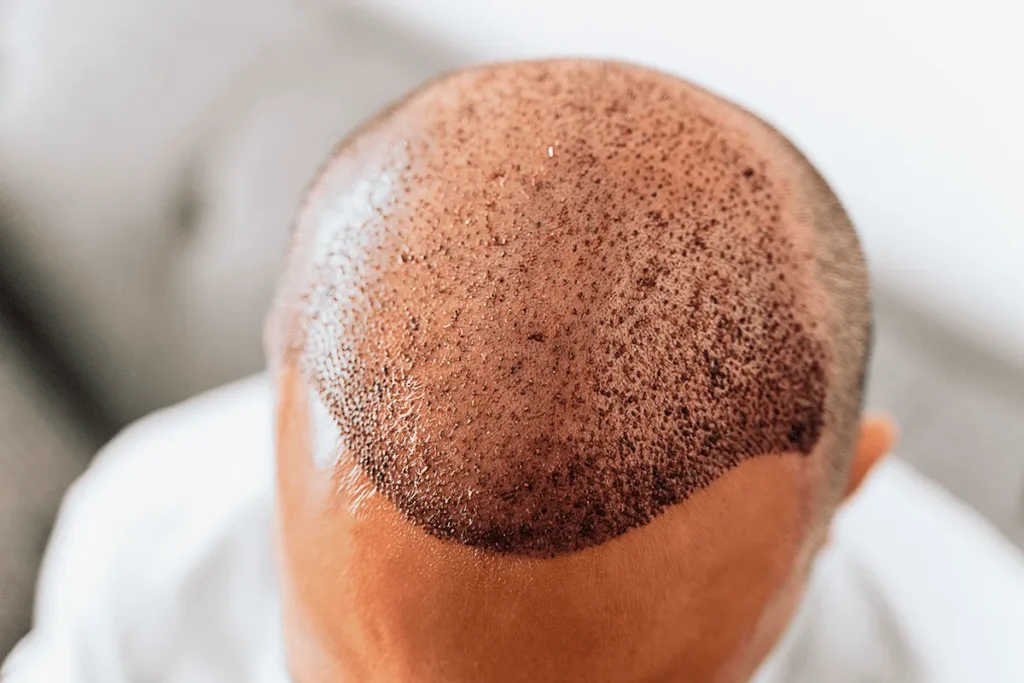
Knowing what 2000 hair grafts can do helps set the right expectations for hair restoration. With about 4000 to 7000 individual hairs, skilled surgeons can make hairlines look natural. They can also fill in thinning areas.
Coverage and Density Possibilities
The amount of coverage and density from 2000 grafts varies. It depends on the size of the balding area and the person’s hair type. Maximum coverage is best when grafts are spread out evenly for a natural look.
2000 grafts can add significant density. This is true when using modern techniques like DHI or Sapphire FUE. These methods place grafts precisely and leave little to no scar, improving the look.
Hairline Design and Natural Appearance
A good hairline is key for a natural look. Surgeons use advanced techniques to design a hairline that fits the person’s face and hair loss pattern.
The aim is to blend the transplanted hair with the existing hair seamlessly. This ensures the result looks natural and boosts the person’s appearance.
Statistical Success Rates
Hair transplantation success rates are high, often over 90%. Success depends on the surgeon’s skill, graft quality, and the person’s health.
High success rates with 2000 grafts
Significant improvement in density and coverage
Natural appearance achieved through advanced techniques
Understanding 2000 hair grafts’ possibilities and limits helps in making informed decisions. Regain your confidence with a fuller head of hair. This is possible through personalized care and modern techniques.
The FUE Method: Timeline and Recovery Process
The FUE hair transplant method has changed how we restore hair. It’s a less invasive way that gives great results. Many people choose it because it works well and heals fast.
The Surgical Procedure: What to Expect
The FUE procedure takes 4 to 5 hours. During this time, you’ll be comfortable thanks to pain-free methods and sedation. Follicular units are taken from the donor area and moved to the recipient sites. This careful work ensures maximum coverage and natural density.
Initial consultation to determine the number of grafts needed
Preparation of the donor and recipient areas
Extraction and transplantation of follicular units
Post-op care instructions for a smooth recovery
Month-by-Month Progress
Knowing what to expect during recovery is key. Here’s how things usually go:
0-1 month: Initial healing and shock loss
1-3 months: Shedding phase, followed by the start of new growth
6 months: Noticeable hair growth and improvement
12 months: Full maturation of the transplanted hair
Shock loss is a normal part of recovery. It’s important to follow a strict post-op care plan. This includes washing instructions and using the right shampoos and serums for the best results.
Expert Hair Restoration Surgeon
Choosing the FUE method can help you regain your confidence with more hair. Success depends on the surgeon’s skill and the quality of care after the transplant.
Conclusion: Making an Informed Decision
Getting a 2000 graft hair transplant is a journey that takes a year. Each step brings you closer to having a full head of hair. The follicular unit extraction method is reliable and effective, giving natural density and coverage.
When thinking about a hair transplant, making a smart choice is key. It’s important to understand the procedure, its benefits, and what to expect. With 2000 grafts, you can see big improvements in hair restoration, as shown in before and after photos.
Finding a trusted partner for your hair transplant is essential. Look for clinics that use the latest technology, like DHI and Sapphire FUE. They should also have a good track record of successful transplants. This way, you’ll have a pain-free experience and lasting results.
With the right help and knowledge, your dream hair is within reach. Start your journey to regain confidence by talking to a hair restoration specialist today.
FAQ
What is a 2000 graft hair transplant?
A 2000 graft hair transplant is a procedure in which about 2000 hair grafts are moved from a donor area to thinning or bald areas to restore hair density.
What is the FUE hair transplant method?
The FUE method involves extracting individual hair follicles from the donor area and implanting them into the target area for natural-looking results.
Is the FUE hair transplant procedure painful?
The procedure is usually done under local anesthesia, so pain is minimal. Mild discomfort may occur after the treatment.
What are the benefits of choosing a 2000 graft hair transplant?
It improves hair density, creates a natural hairline, has minimal scarring, and offers long-lasting results.
How long does it take to recover from a 2000 graft hair transplant?
Most people recover within 7 to 10 days, while full healing and hair growth results take several months.
What are the chances of success with a 2000 graft hair transplant?
Success rates are generally high when performed by an experienced surgeon and with proper aftercare.
Can I get a 2000 graft hair transplant if I have advanced hair loss?
It depends on your donor hair availability. A consultation is needed to determine if 2000 grafts are sufficient.
How do I care for my hair after a 2000 graft hair transplant?
Follow your doctor’s instructions, avoid touching or scratching the area, wash gently, and avoid heavy activities for a few days.
Are the results of a 2000 graft hair transplant permanent?
Yes, transplanted hair is usually permanent because it is taken from areas resistant to hair loss.
Can I see before and after photos of 2000 graft hair transplants?
Yes, most clinics provide before and after photos to show expected results and treatment outcomes.
References
National Center for Biotechnology Information. Evidence-Based Medical Insight. Retrieved from https://pmc.ncbi.nlm.nih.gov/articles/PMC6967160/