Experiencing hair thinning or balding can be distressing. But you’re not alone. About 16 to 25 percent of men between 18 and 29 face male pattern baldness. At Gold City Hair, we get how hard it is for young adults to deal with early hair loss.
Facing balding in 20s? Use these 7 powerful ways to stop it. Learn about early prevention and the best treatments to keep your hair thick.
Our clinic offers a mix of medical treatments and care to help you regain your confidence. Starting early is important to manage hair loss well. By acting fast, you can try different treatments to get dream hair.
Key Takeaways
Understand the prevalence of hair loss among young adults.
Learn about the importance of early intervention.
Discover 7 proven strategies to address balding.
Explore personalized care options for hair restoration.
Find out how to regain confidence through effective treatments.
Understanding Early Hair Loss in Your 20s
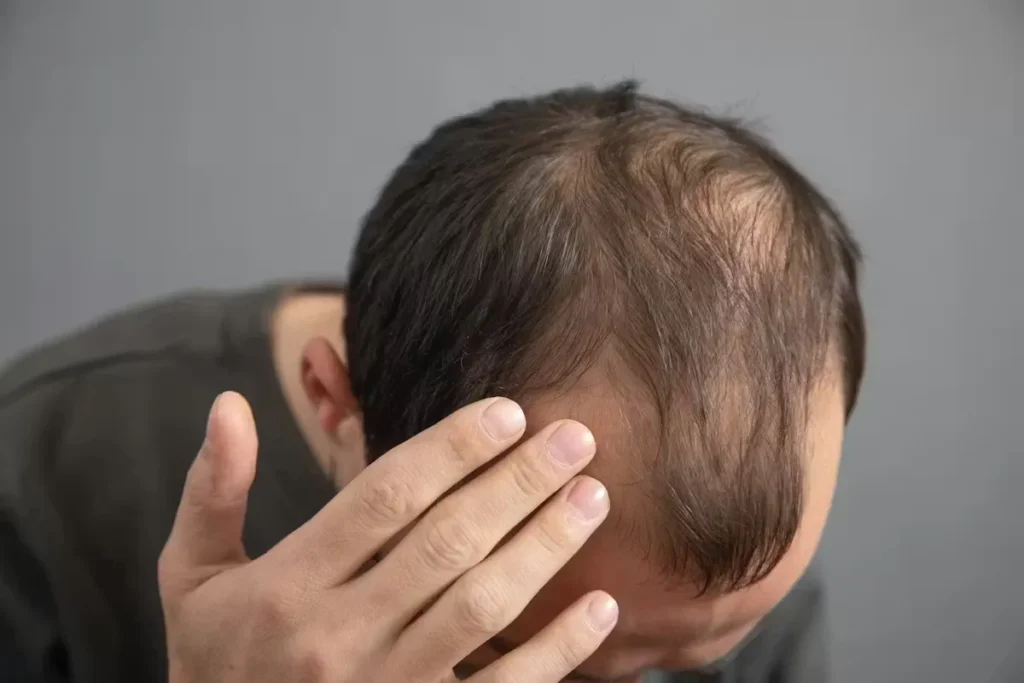
Hair loss in your 20s can be upsetting. But knowing why it happens is the first step to feeling better. Many young people struggle with thinning hair. It’s important to find out why.
The Prevalence: Why Hair Thinning in Early 20s Is Common
Hair thinning in your 20s is more common than you might think. Both genes and the environment play a part. It’s key to know that losing hair early can be caused by many things, like not eating right, stress, and some health issues.
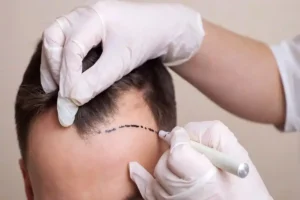
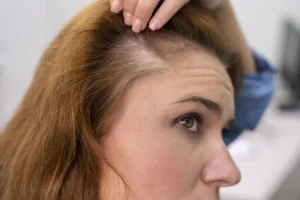
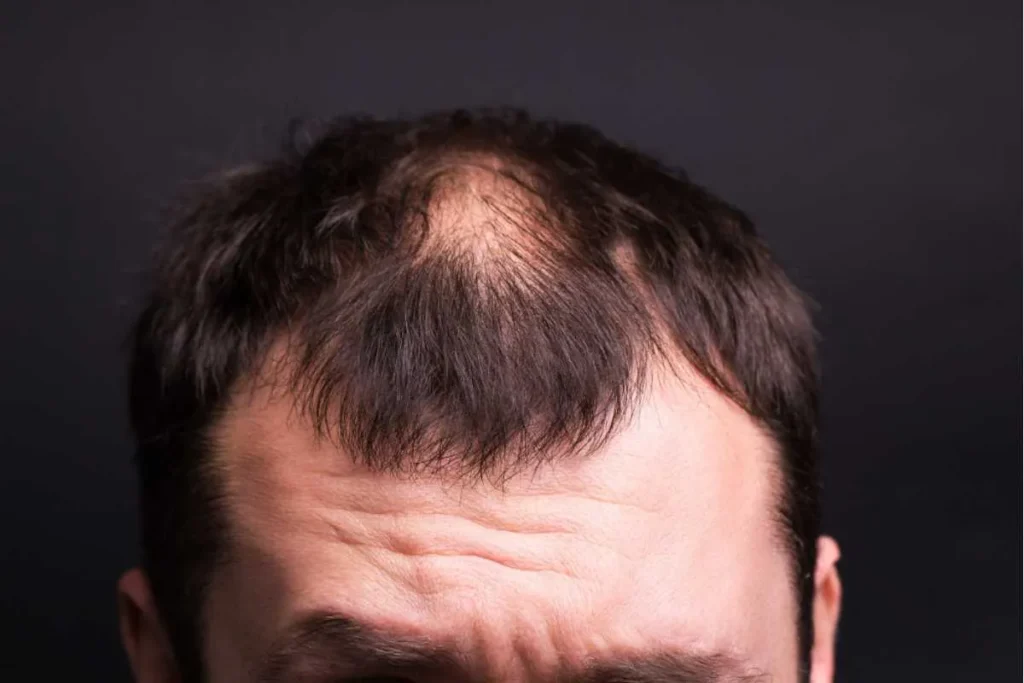
Male pattern baldness often starts with hair thinning at the temples and crown. Female pattern baldness shows as thinning across the crown but keeps the hairline intact.
Root Causes: Genetics, Hormones, and Lifestyle Factors
Early hair loss comes from many sources, like genes, hormones, and how you live. Genes can make hair follicles more sensitive to DHT, a hormone that can cause hair loss.
Hormonal changes, like more DHT, can make hair follicles shrink. This leads to thinner, shorter hairs. Your diet, stress levels, and how you take care of your hair also affect your hair health.
Recognizing the Signs: How to Detect Balding Early
Spotting balding early is key to acting fast. Men might see their hairline receding or thinning at the crown. Women might notice thinning, mainly at the part line.
Spotting it early opens up many treatment options, from medicines like finasteride and minoxidil to changing your lifestyle and diet. Knowing the signs and acting early can make treatments work better.
7 Proven Strategies to Stop Balding in 20s
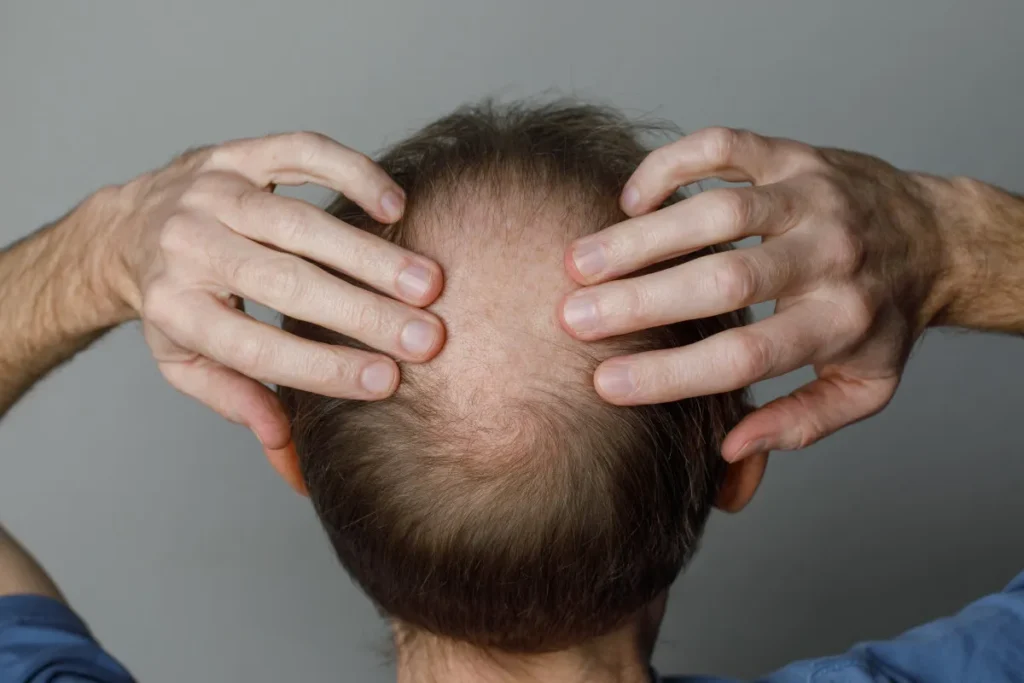
To stop balding in your 20s, you need a mix of medical help, lifestyle changes, and good hair care. Knowing why you lose hair and using the right strategies can help you regain your confidence. It also promotes healthy hair growth.
1. Medical Interventions: Finasteride and Minoxidil
Medical treatments are often the first step against hair loss. Finasteride and Minoxidil are FDA-approved for male pattern baldness. Finasteride stops DHT, a hormone that causes hair loss. Minoxidil boosts blood flow to the scalp, helping hair grow.
Research shows Finasteride and Minoxidil together can slow hair loss and grow new hair. Always talk to a doctor before starting these treatments.
2. Nutrition for Hair Health: Essential Vitamins and Minerals
Eating a balanced diet with key vitamins and minerals is key for healthy hair. Vitamin D, Biotin, and Iron are vital for hair growth. Add foods like salmon, almonds, and spinach to your meals for better hair health.
Also, cut down on sugar and processed foods. They can cause inflammation and harm your scalp.
3. Stress Management: Protecting Your Hairline from Cortisol
Too much stress can lead to hair loss, as cortisol messes with hair growth. Doing stress-reducing activities like yoga, meditation, or deep breathing exercises can help. They keep cortisol levels down and encourage hair growth.
Also, getting enough sleep and using relaxation techniques can lower stress. This improves your overall well-being.
4. Scalp Care Regimen: Cleansing and Stimulation Techniques
Good scalp care is vital for healthy hair. Clean your scalp with a gentle shampoo to remove dirt and oil. Scalp massages can also boost blood flow and help hair grow.
Try using a scalp massager or your fingertips for scalp massages. This increases blood flow and eases tension.
Conclusion: Taking Action Against Hair Loss in Your 20s
Starting to treat hair loss in your 20s is key to keeping your hair healthy. It boosts hair growth and makes treatments work better. This means you can grow thicker and fuller hair.
To fight balding early, you need a plan that includes doctors, diet, stress control, and scalp care. Knowing why your hair is thinning and acting fast can stop balding before it starts.
Take back your confidence by managing your hair health. Modern technology and custom care can give you thick, natural-looking hair. Talk to a specialist to create a plan just for you and start growing a fuller head of hair.
Don’t let hair loss in your 20s control your future. With the right steps and expert help, you can have healthy hair for life. Look into your options now and begin your journey to a more confident you.
FAQ
Why is my hair thinning in my 20s?
Hair thinning in your 20s is often caused by genetics (androgenetic alopecia), hormonal changes, stress, poor nutrition, or medical conditions.
How can I stop balding in my 20s?
You can slow balding by using treatments like minoxidil, maintaining a healthy diet, managing stress, avoiding harsh hairstyles, and consulting a dermatologist early.
What are the early signs of balding?
Early signs include receding hairline, widening hair part, thinning at the crown, more hair shedding than usual, and noticing scalp visibility.
Is hair loss in young adults common?
Yes, male and female pattern hair loss can start in the late teens to 20s, and temporary hair shedding from stress or illness is also common.
Can I prevent balding at a young age?
While you can’t change genetics, you can slow progression by early treatment, proper hair care, a balanced diet, and reducing stress.
What is the difference between male and female pattern baldness?
Male pattern baldness usually starts with a receding hairline and crown thinning, while female pattern baldness causes diffuse thinning across the scalp with less hairline recession.
Are there any effective treatments for hair loss in my 20s?
Yes, treatments include topical minoxidil, low-level laser therapy, PRP injections, oral medications like finasteride (for men), and hair transplant in advanced cases.
How can I regrow my hair in my 20s?
Hair regrowth can be supported through consistent use of proven treatments, scalp care, proper nutrition, stress management, and consulting a hair specialist for tailored solutions.
References
National Center for Biotechnology Information. Evidence-Based Medical Insight. Retrieved from https://www.ncbi.nlm.nih.gov/books/NBK278957/