
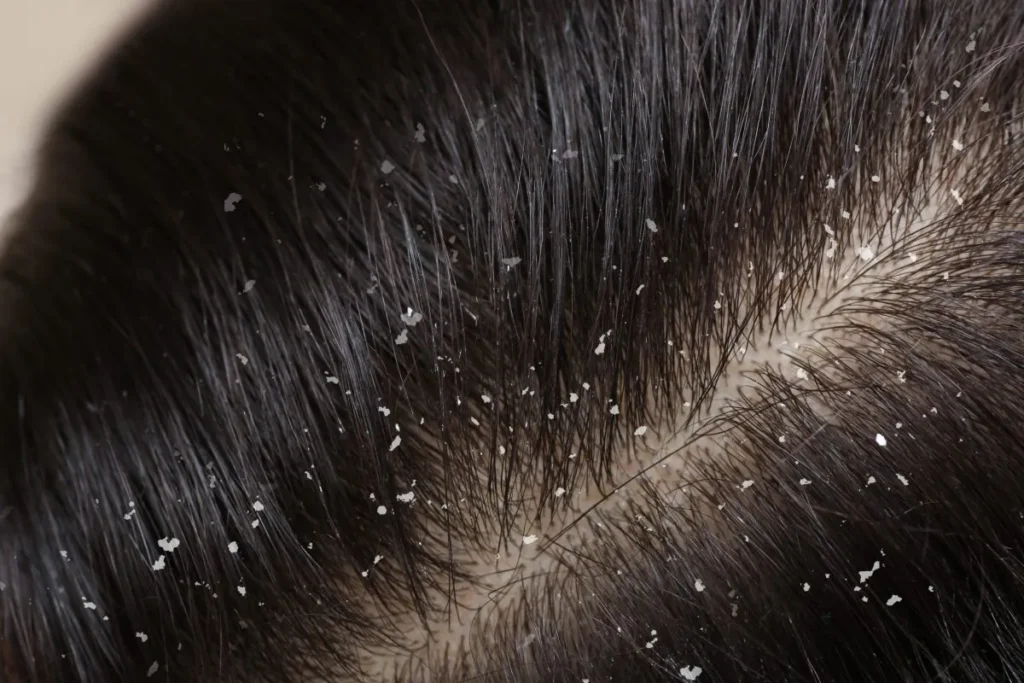
Dandruff is a common scalp condition that affects about half of all adults worldwide. It shows up as flakes of dead skin, itchiness, and redness. Understanding the causes and available solutions is key to managing it effectively.
Dandruff is a mild version of seborrheic dermatitis, a skin issue that mainly hits the scalp. It can be embarrassing and hard to deal with. New research shows that dandruff comes from a mix of fungal and bacterial microbes, genetics, and lifestyle choices.
Key Takeaways
Dandruff affects about half of the global adult population.
It is a mild form of seborrheic dermatitis.
Causes include fungal and bacterial microbiomes, genetic factors, and lifestyle elements.
Effective management requires understanding these causes.
Available solutions can help ease symptoms.
Understanding Dandruff: A Common Scalp Condition
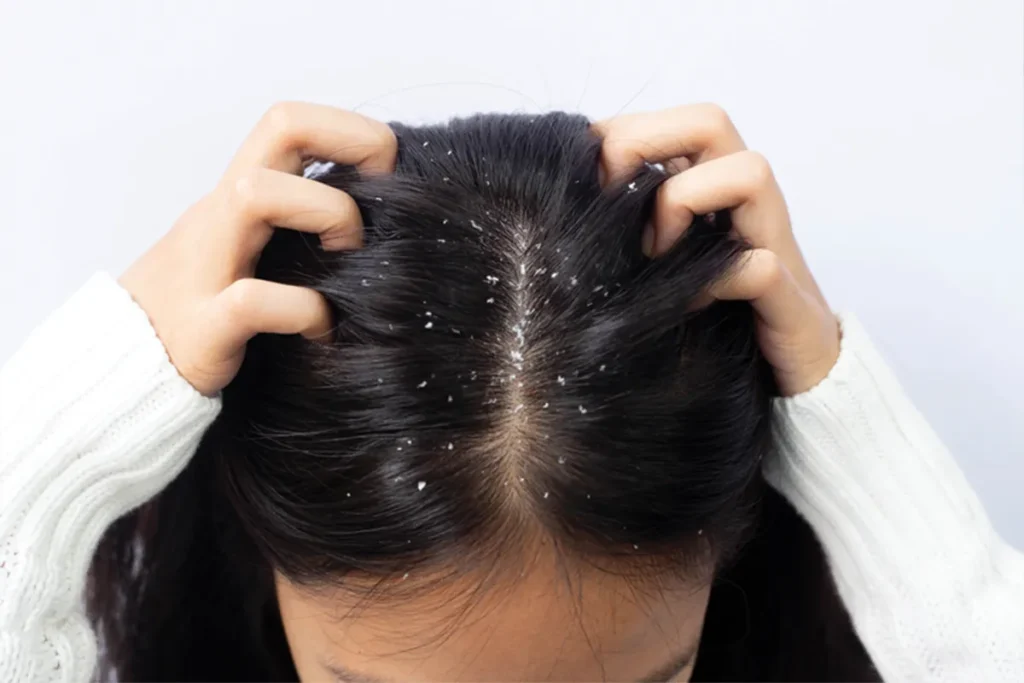
Dandruff is a common problem worldwide, starting often in puberty. It causes flakes of dead skin, which can be embarrassing and hard to manage.
What Is Dandruff and Its Prevalence
Dandruff happens when skin cells on the scalp renew naturally. It’s estimated that many people will get dandruff at some point. The condition isn’t contagious, but its symptoms can be upsetting.
Studies show dandruff affects people of all ages and backgrounds. It’s more common in some groups, making it key to know what causes it.
Age and Gender Factors
Dandruff usually starts at puberty, showing hormonal effects. It’s more common in males, suggesting gender plays a role. As people get older, dandruff becomes less common, disappearing after 50.
Key demographic factors include:
Age of onset: typically during puberty
Gender: more prevalent in males
Age-related decline: less common after age 50
Debunking the Poor Hygiene Myth
Dandruff isn’t caused by poor hygiene, despite what many think. Regular shampooing is good for the scalp, but dandruff is mainly about skin cell renewal. Stress and environment also play roles.
Knowing dandruff isn’t about being dirty helps. It lets us focus on managing and treating it, not just on being clean.
How Do I Get Dandruff? The Root Causes
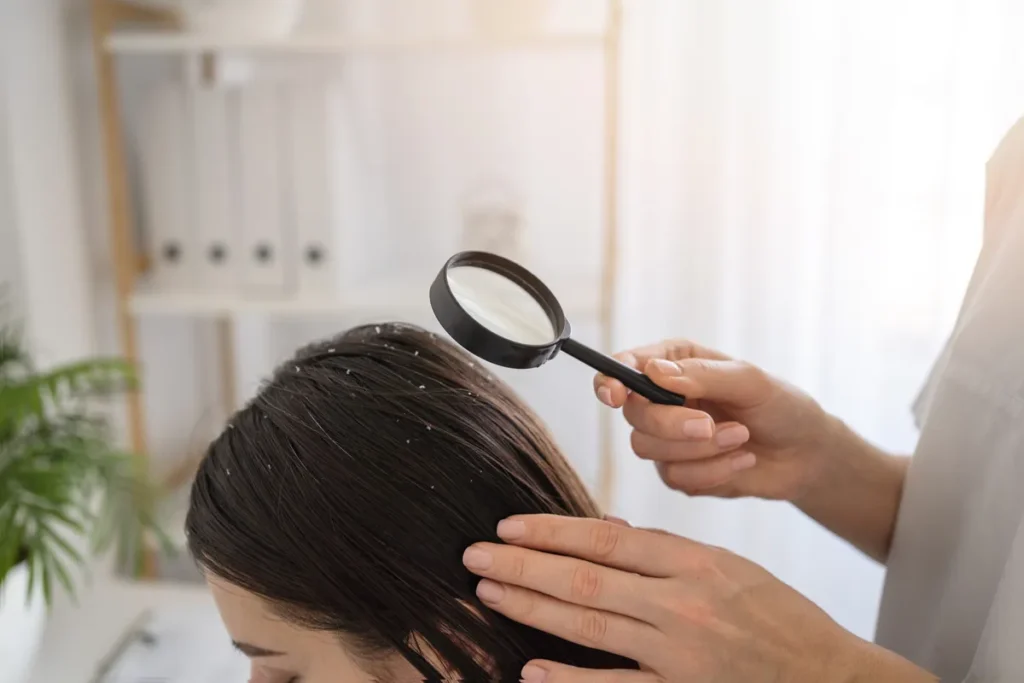
Dandruff comes from a mix of things, like fungal overgrowth and hair product sensitivity. It’s not just about being dirty, as many think.
Microorganism Imbalances
A big reason for dandruff is malassezia, a fungus on the scalp. It eats scalp oils, causing irritation and flakes.
When the scalp’s microorganisms get out of balance, malassezia grows too much. This makes dandruff worse.
Accelerated Skin Cell Turnover
Dandruff also means skin cells die and flake off fast. This happens because of stress, not eating right, and hair product sensitivities.
Stress, not eating well, and hair product sensitivities speed up skin cell loss. This leads to flakes.
Contributing Factors
Other things can make dandruff worse, like stress, not eating right, and hair product sensitivities.
Stress can make dandruff worse by messing with hormones and the immune system.
Not getting enough vitamins and minerals can hurt skin health and cause dandruff.
Being sensitive to some hair products can irritate the scalp and lead to dandruff.
Knowing what causes dandruff is key to fighting it.
Effective Solutions for Controlling Dandruff
To get rid of dandruff, you need a plan that includes medical treatments, diet changes, and good hair care. Understanding why you have dandruff is key. Then, use a mix of treatments and lifestyle changes to manage it.
Medicated Treatments
Medicated shampoos are a big help against dandruff. Ketoconazole and zinc pyrithione stop yeast on your scalp, which causes dandruff. Using these shampoos as told can cut down flaking and swelling.
If your dandruff is really bad, you might need stronger shampoos or pills. Always talk to a dermatologist to find the right treatment for you.
Nutritional and Lifestyle Adjustments
Stress can make dandruff worse. Try meditation, yoga, or deep breathing to relax. Eating well, with lots of zinc and omega-3 fatty acids, also helps your scalp.
Eat lots of fruits, veggies, whole grains, and lean meats. Drinking water is also good for your scalp health.
Optimal Hair Care Practices
Good hair care is important for dandruff management. Wash your hair with a gentle shampoo to get rid of flakes and oil. Don’t use harsh shampoos that can make dandruff worse.
Don’t overdo it with hair products. They can clog pores and make dandruff worse. Choose products that say “non-comedogenic” or “oil-free” to avoid this.
By using medicated shampoos, eating right, and taking care of your hair, you can control dandruff. This way, you can keep it from coming back.
Conclusion: Long-Term Management Strategies
Understanding why people get dandruff is key to managing it. The exact cause can vary, but factors like imbalances, fast skin cell turnover, and stress play a role. So, why do people get dandruff? It’s often a mix of these factors.
Effective long-term management of dandruff needs a multi-step approach. Using medicated shampoos, like those with zinc pyrithione or ketoconazole, can help. Stress management, like meditation or yoga, and good hair care also help. If you’re wondering how does one get dandruff, it’s often due to bad hair care and stress.
Managing dandruff is a long-term effort that needs consistent treatment and lifestyle changes. By using these strategies, people can greatly reduce dandruff discomfort. So, if you’re asking yourself “hy do I have dandruff,” think about your hair care and stress levels.
By knowing the causes of dandruff and using effective management strategies, people can find long-term relief from this common scalp issue.
FAQ
Why do I have such bad dandruff?
Bad dandruff is usually the result of a hyper-sensitivity to a yeast-like fungus called Malassezia, which lives on everyone’s scalp but thrives on excess oil. When your body reacts to this fungus, it speeds up the skin renewal process, causing skin cells to die and flake off in large, visible chunks. If your dandruff is particularly severe, it may have transitioned into seborrheic dermatitis, which involves not just flakes but also inflammation, redness, and intense itching.
Is it normal to have dandruff?
It is extremely common and perfectly normal to experience dandruff at some point in your life, as it affects roughly 50% of the adult population worldwide. While it is often viewed through the lens of hygiene, it is actually a biological response to hormonal shifts, stress, or changes in the scalp’s microbiome. Because it is a chronic condition for many, having flakes does not mean you are unclean, but rather that your scalp requires a specific management routine to keep its fungal levels balanced.
Why do you get dandruff?
You get dandruff when three factors collide: the presence of natural scalp oils, the activity of Malassezia microbes, and your individual skin sensitivity. The microbes break down your scalp’s sebum into oleic acid, which penetrates the skin and triggers an inflammatory response in sensitive individuals. This irritation causes the skin to shed its outer layer much faster than the typical 30-day cycle, leading to the accumulation of dead skin cells that we recognize as dandruff.
What makes dandruff worse?
Several factors can exacerbate dandruff, including high-stress levels, which compromise your immune system, and cold, dry winter weather that dehydrates the scalp. Using heavy styling products like waxes and oils can also make it worse by trapping the yeast’s food source against your skin. Additionally, not washing your hair frequently enough allows oil and dead skin to build up, providing an ideal environment for the fungus to multiply and trigger a flare-up.
How does one get dandruff?
Dandruff is not something you catch from someone else; it is a condition that develops based on your body’s internal chemistry and external environment. Most people start noticing dandruff after puberty when hormonal changes increase the production of scalp oils. Once the oil production rises, the naturally occurring fungi on your head begin to flourish, and if your skin is genetically predisposed to be sensitive to the byproducts of those fungi, dandruff will begin to form.
Why do I keep getting dandruff?
You may keep getting dandruff because it is a chronic condition rather than a temporary infection, meaning it can be managed but not permanently cured. If you stop using medicated treatments once the flakes disappear, the fungal population will simply grow back and restart the cycle of irritation. Maintaining a clear scalp requires a maintenance schedule where you continue to use antifungal ingredients at least once a week, even when your scalp appears healthy.
What causes bad dandruff?
Severe or bad dandruff is often caused by an overactive immune response or a significantly imbalanced scalp pH. In some cases, it can be triggered by underlying health issues like Parkinson’s disease or specific immune system changes, which are known to increase the risk of seborrheic dermatitis. It can also be a reaction to contact dermatitis, which happens when your scalp is chronically irritated by a specific ingredient in your shampoo, hair dye, or styling products.
Why is my dandruff so bad?
Your dandruff might feel particularly bad if you are experiencing a perfect storm of high oil production and a lack of proper exfoliation. When flakes are thick, yellow, and oily, it indicates that the skin cells are clumping together with excess sebum before they can shed. This can lead to a cycle where the buildup further irritates the skin, causing more inflammation and even more rapid cell turnover, making the condition feel unmanageable without prescription-strength intervention.
How can I manage dandruff long-term?
Long-term management involves rotating different active ingredients, such as Zinc Pyrithione, Selenium Sulfide, and Ketoconazole, to prevent the fungus from becoming resistant to a single treatment. You should also focus on scalp health by avoiding very hot water and using a scalp massager to physically remove buildup during washes. Maintaining a healthy lifestyle with balanced nutrition and stress management will also help regulate the hormonal triggers that lead to oil overproduction.
References
National Center for Biotechnology Information. Evidence-Based Medical Insight. Retrieved from https://pmc.ncbi.nlm.nih.gov/articles/PMC6180232/





