
Shaving can be a frustrating experience for many. It often leads to bumps, irritation, and long-lasting marks. Folliculitis, a common skin condition, is often the cause. It’s important to understand its causes and if it’s contagious to prevent and treat it effectively.
Folliculitis happens when a hair follicle gets infected or inflamed. This is usually because of bacteria, fungus, or blockage. Knowing the causes and taking steps to prevent it can help avoid folliculitis after shaving.
This article will share 5 key steps to prevent folliculitis. It offers practical advice and expert guidance for smoother, healthier skin.
Key Takeaways
Understand the causes of folliculitis and its contagiousness
Learn effective prevention strategies to reduce the risk of folliculitis
Discover expert-backed treatment options for folliculitis
Explore the importance of proper shaving techniques
Find out how to soothe and calm irritated skin after shaving
Understanding Folliculitis and Is Folliculitis Contagious

Folliculitis is a common skin issue that happens when hair follicles get inflamed, often from shaving. It can cause discomfort, redness, and bumps, mainly in areas with coarse or curly hair.
What Is Folliculitis and How It Develops After Shaving
Folliculitis starts when bacteria, like Staphylococcus aureus, infect hair follicles. Shaving can make small cuts in the skin, letting bacteria in. “Shaving is a common cause of folliculitis, mainly in areas with coarse or curly hair,” say dermatologists.
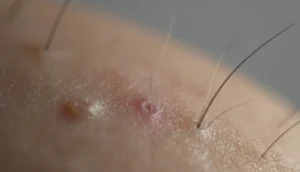
This condition can show up as razor bumps with pus or popping folliculitis. It can be painful and look bad.
The risk of getting folliculitis after shaving is higher in some places, like the bump on mustache area or after shaving the pubic area. Knowing the causes and taking steps to prevent it can help.
Contagiousness Factors and Transmission Methods
Most folliculitis cases aren’t contagious. But, some types can spread through skin contact or shared items. For example, bacterial folliculitis can spread by touching an infected person’s skin or using their razors and personal care items.
Health experts say, “While most folliculitis isn’t contagious, bacterial types can spread through skin contact or shared items.” Keeping good hygiene and not sharing personal care items can help prevent it from spreading.
In some cases, folliculitis is caused by fungal or viral infections. These might spread differently. Knowing the type of folliculitis and how it spreads is key to stopping it.
To wrap it up, while most folliculitis isn’t contagious, some types can spread through skin contact or shared items. By understanding the causes and taking steps to prevent it, we can lower our risk of getting folliculitis and stop it from spreading.
5 Key Steps to Prevent Folliculitis After Shaving

To lower the risk of folliculitis after shaving, follow a few key steps. These steps can greatly reduce your chance of getting this condition.
Step 1: Proper Pre-Shave Preparation
Before you start shaving, make sure to prepare your skin right. This means exfoliating to get rid of dead skin cells and cleaning the area to stop bacteria. Exfoliating opens up pores and helps avoid ingrown hairs, which can cause folliculitis.
Step 2: Using Clean, Sharp Razors
It’s important to use a clean and sharp razor to avoid spreading bacteria and to prevent razor burn. Dull razors can cause cuts and nicks, letting bacteria in. Always change the blade often and clean the razor after each use.
Step 3: Shaving in the Direction of Hair Growth
Shaving with the hair growth direction is key to avoid ingrown hairs and razor bumps. Shaving against the grain can trap hair under the skin, causing inflammation and infection.
Step 4: Effective Post-Shave Care
After shaving, use soothing products to calm your skin and lessen irritation. Stay away from tight clothes that can irritate your skin and cause friction. A gentle, fragrance-free moisturizer can keep your skin moist and lower folliculitis risk.
By following these 5 key steps, you can greatly reduce your risk of folliculitis after shaving. It’s all about a complete approach to shaving, including preparation, careful shaving, and post-shave care.
Conclusion: Recovery Timeline and When to Seek Medical Help
Knowing how long folliculitis takes to heal is key to managing it well. Simple cases usually get better in 7 to 10 days with the right care. But, the time it takes can change based on the type and how bad it is.
If you have folliculitis, knowing when to see a doctor is important. If your symptoms don’t get better or get worse, you should talk to a doctor. This can help avoid serious problems like scarring or infection.
To beat folliculitis, following a full treatment plan is essential. Even mild cases might need medical help. By understanding how long it can last and when to get help, you can get the right care for your condition.
FAQ
Is folliculitis contagious?
Usually no, but it can be mildly contagious if caused by bacteria like Staphylococcus aureus through shared towels, razors, or close contact.
How long does it take for folliculitis to heal?
Mild cases heal in 7–10 days, while deeper or infected cases may take 2–3 weeks.
What are the causes of folliculitis after shaving?
Shaving can irritate hair follicles, cause tiny cuts, and lead to infection or ingrown hairs—especially with dull razors or dry shaving.
How can I prevent folliculitis after shaving?
Use a clean, sharp razor, shave in the direction of hair growth, use shaving gel, and moisturize after shaving. Avoid tight clothing right after.
Can I pop or squeeze folliculitis bumps?
No. This can spread infection, worsen inflammation, and cause scarring.
How long can folliculitis last if left untreated?
Mild cases may resolve on their own in 1–2 weeks, but some can persist longer or worsen into deeper infections.
What are the symptoms of folliculitis?
Small red bumps or pus-filled pimples around hair follicles, itching, tenderness, and sometimes pain or burning.
When should I seek medical help for folliculitis?
If it spreads, becomes very painful, doesn’t improve in 1–2 weeks, or shows signs of severe infection like fever or swelling.
References
National Center for Biotechnology Information. Evidence-Based Medical Insight. Retrieved from https://pmc.ncbi.nlm.nih.gov/articles/PMC6585396/