Thinning hair is a common problem, affecting millions around the world. About 85% of men and 33% of women face hair thinning. Androgenetic alopecia is the main reason. Many are on a journey to regain confidence by making their hair thicker and fuller.
Thanks to cutting-edge technology and personalized care, there are now effective ways to tackle hair thinning. Modern science has developed proven methods to make thin hair thicker. This change can transform lives and boost confidence.
Key Takeaways
Understand the causes of hair thinning and its prevalence.
Discover the 5 proven methods to thicken thin hair.
Learn about the latest technology in hair restoration.
Explore the benefits of personalized care in hair thickening.
Regain confidence with effective hair restoration solutions.
Understanding Why Is My Hair So Thin
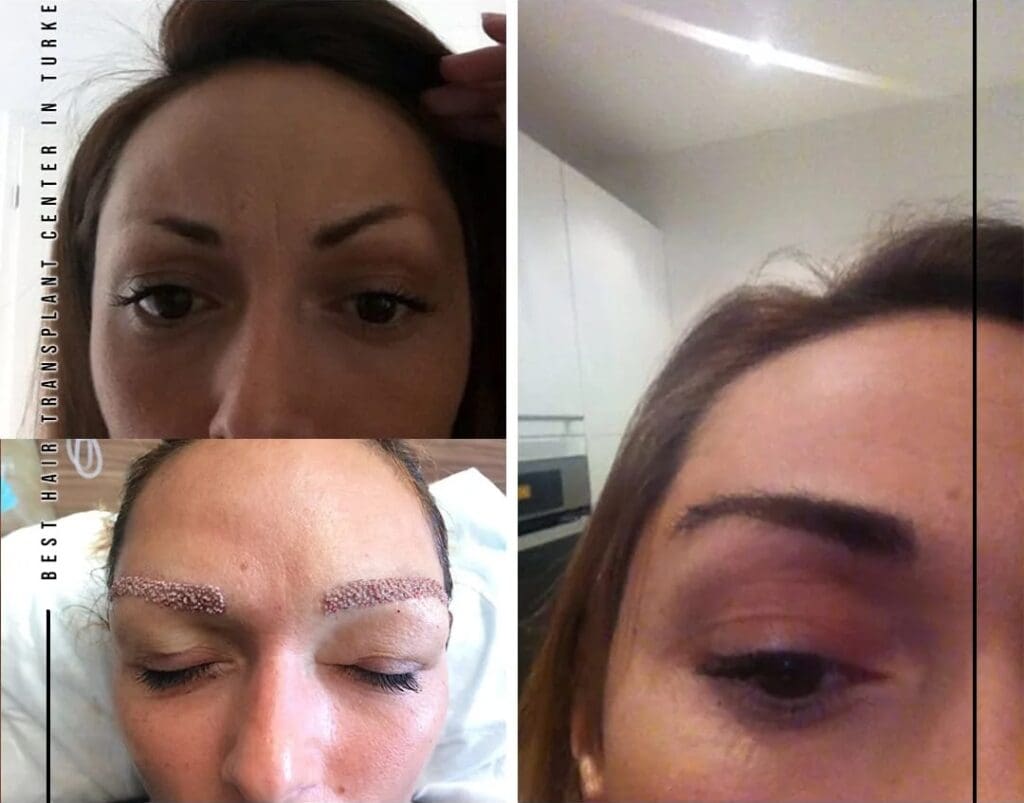
Trying to figure out why hair becomes thin is a journey into genetics, health, and lifestyle. Hair thinning is a common issue that affects many people. It’s important to know the reasons behind it.
The Science Behind Hair Thinning
Hair thinning, or hair loss, comes from a mix of genetics, hormonal changes, and outside factors. Androgenetic alopecia, or male/female pattern baldness, is a big reason for hair thinning. It’s linked to genetics, with some genes making you more likely to lose hair.
The science also shows how hormonal imbalances play a part. Dihydrotestosterone (DHT), a byproduct of testosterone, makes hair follicles shrink, leading to thinner hair. Hormonal changes during pregnancy, menopause, or thyroid issues can also affect hair thickness.
Common Factors Affecting Hair Thickness
Many things can make hair thinner, including nutritional deficiencies. Not getting enough iron, zinc, and biotin can slow down hair growth. Also, using too much heat, tight hairstyles, and a bad diet can make hair thinner.
Genetics are also key in hair thickness and loss. If your family has thin hair, you might too. Knowing your genetic risk can help you choose the right treatments.
Getting your hair back to normal means understanding these factors and fixing them. By finding out why your hair is thinning, you can start working towards thicker, healthier hair.
5 Evidence-Based Methods to Thicken Hair
If you have thin hair, there are ways to make it thicker and fuller. These methods have been shown to work well in stopping hair thinning and helping hair grow.
Method 1: Early Intervention with FDA-Approved Medications
Using FDA-approved medicines like minoxidil and finasteride can help a lot. Minoxidil is applied to the scalp to make hair grow. Finasteride is taken by mouth to slow hair loss and make hair thicker.
Regain your confidence with these medicines. They have helped many people get thicker, healthier-looking hair.
Method 2: Nutritional Optimization and Supplementation
Eating a balanced diet full of vitamins and minerals is key for hair growth. Make sure you get enough iron, zinc, and biotin. Taking supplements can also help, if you can’t get enough from food.
Method 3: Professional Hair Restoration Procedures
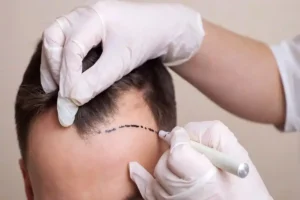
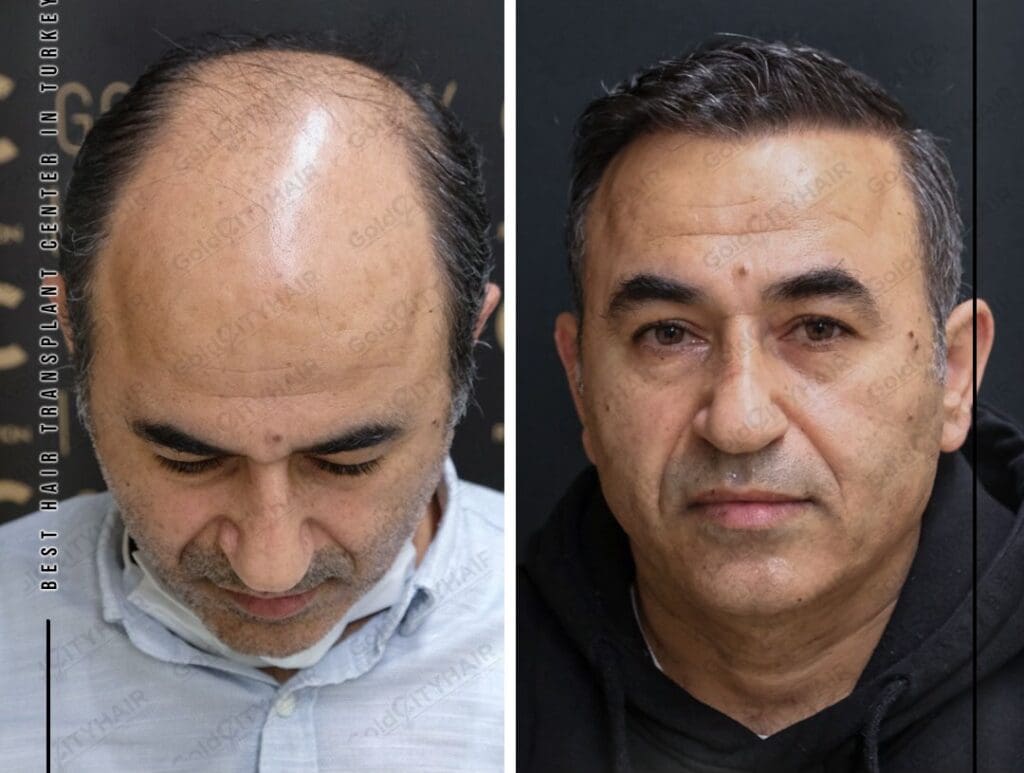
For serious hair thinning, try PRP (Platelet-rich Plasma) therapy or hair transplantation. PRP therapy uses platelet-rich plasma to stimulate hair growth. Hair transplantation moves healthy hair follicles to thin areas.
PRP therapy stimulates hair growth and improves hair density.
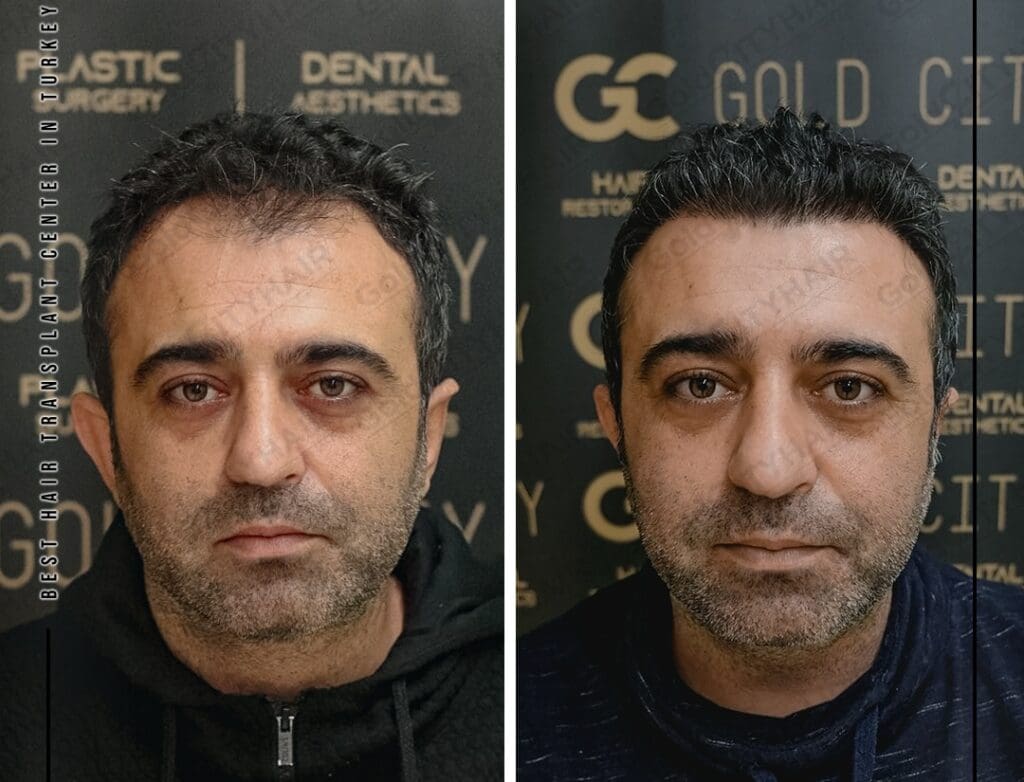
Hair transplantation provides a more permanent solution to hair thinning.
Method 4: Specialized Hair Care Products
Choosing the right hair care products is important for thickening hair. Look for products with keratin, biotin, and saw palmetto. They help strengthen hair and create a healthy scalp.
Find products specifically made for thinning hair. They should have ingredients that have been proven to work.
Creating Your Personalized Hair Thickening Plan
Get back your confidence with a hair thickening plan made just for you. It starts with knowing your hair type and why it’s thinning. Then, pick the best methods for your hair.
Combining Methods for Maximum Results
Using different hair thickening methods can work better together. For example, FDA-approved medications and nutritional optimization can boost hair growth. Adding specialized hair care products to your routine is also smart.
Check your hair loss and find the right treatments.
Use medical treatments and lifestyle changes together for full care.
Keep an eye on your progress and change your plan if needed.
Setting Realistic Expectations and Timelines
Knowing how long hair grows is important to stay motivated. Hair grows at different rates, but on average, it’s about 0.5 inches a month. Setting realistic expectations and being patient is key to success.
You might see results in 3-6 months.
Big improvements usually come in 6-12 months.
Keep up with maintenance to keep your hair looking good.
By sticking to a personalized hair thickening plan and staying committed, you can get thicker, healthier hair. Remember, everyone’s journey is different. Patience and the right strategies will give you the best results.
Conclusion
Regaining confidence is key in hair restoration. Understanding thin hair causes and using proven methods is the first step. Hair thickening and restoration can change lives, boosting self-esteem and well-being.
Can you make your hair thicker? Yes, you can. The right treatments, like FDA-approved meds, nutrition, and professional care, can help. Does hair get thicker with treatment? Yes, it does. Can thin hair get thicker? Yes, with the right approach.
A personalized approach is at the heart of successful hair restoration. It uses the latest technology and expert care. Choosing a trusted partner can lead to dense, natural-looking hair. Regain your confidence and get your dream hair with the right solution.
FAQ
Why does my hair look thinner
Thinning can be due to genetics, hormonal changes, stress, poor diet, aging, or damage from heat and chemicals
Can you thicken your hair
Yes, through proper care, volumizing products, healthy diet, and treatments that strengthen strands
Is it possible to make your hair thicker
Yes, you can improve hair density and appearance with nutrition, gentle care, and certain hair-thickening products
How can I thicken my thin hair
Use volumizing shampoos and conditioners, avoid excessive heat, eat protein-rich foods, and consider scalp-stimulating treatments
Can thin hair become thick
It can appear fuller with proper care and some treatments, but natural hair diameter is partly determined by genetics
Is it possible to thicken hair naturally
Yes, through balanced diet, scalp massage, avoiding damage, and using natural oils like castor or coconut oil
What are the best hair care products for thin hair
Lightweight shampoos, volumizing conditioners, hair thickening serums, and leave-in sprays that add body without weighing hair down
How long does it take to see results from hair thickening treatments
Results usually appear in 6–12 weeks with consistent use of treatments and proper care
Are hair restoration procedures effective
Yes, procedures like hair transplants or PRP therapy can restore hair density, depending on the cause of thinning
Can genetics affect hair thickness
Yes, genetics largely determine hair diameter, density, and natural growth patterns
References
National Center for Biotechnology Information. Evidence-Based Medical Insight. Retrieved from https://pmc.ncbi.nlm.nih.gov/articles/PMC8922312/