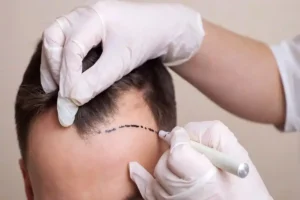
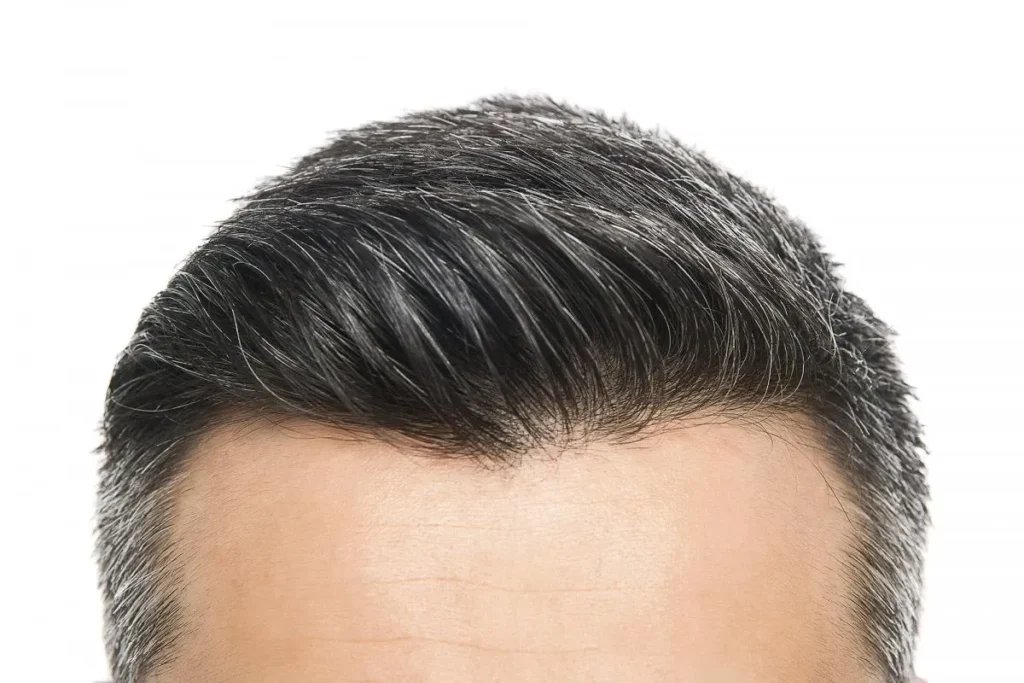
A normal hairline has certain features that differ between men and women. Men usually have an M-shaped or slightly rounded hairline. It often sits higher on the forehead. Learn the incredible truth about the average hairline. See what a healthy scalp looks like and get amazing tips to maintain your hair today.
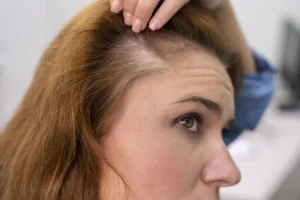
Women, on the other hand, have a softer, more rounded hairline. It is lower on the forehead, making the distance between the brow and hairline shorter.
Knowing what a normal hairline looks like is important for those worried about their hair. Talking to dermatologists or trichology specialists can give you specific advice on your hairline.
Key Takeaways
A normal hairline varies in shape and position between males and females.
Men typically have an M-shaped or rounded hairline, while women have a softer, rounded contour.
The position and shape of the hairline can be influenced by genetic, hormonal, and environmental factors.
Consulting a specialist can provide insights into individual hairline patterns.
A healthy hairline is an indicator of overall hair health.
Understanding Hairline Anatomy
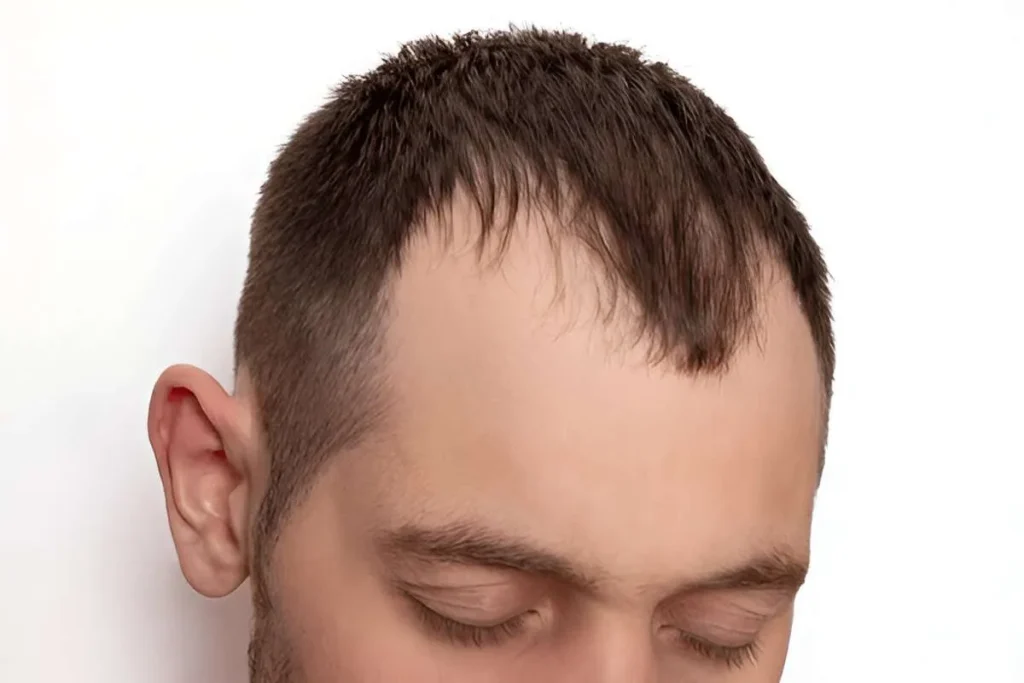
Knowing about hairline anatomy is key to understanding hair growth. A clear hairline is not just good-looking; it shows healthy hair.
Definition of a Hairline
The hairline marks where hair starts on the scalp. It’s where the forehead meets the scalp, packed with hair follicles. A natural hairline has a feathering zone of thin, soft hair. This hair gets denser as you move towards the scalp.
The Feathering Zone Explained
The feathering zone is vital for a normal hairline. It’s where hair gets thicker. This area has fine, soft hairs that look natural. It helps the hairline blend smoothly from forehead to scalp.
Natural Hair Growth Direction
Hair growth direction shapes the hairline’s look. Hair grows differently on the scalp. Knowing this helps check hair health and plan treatments. Some hairlines grow forward, while others grow sideways or back.
Understanding hairline anatomy helps us appreciate hair growth. It’s key for hair health and restoration. Knowing about hairline anatomy is the first step to achieving your hair goals.
Characteristics of an Average Hairline
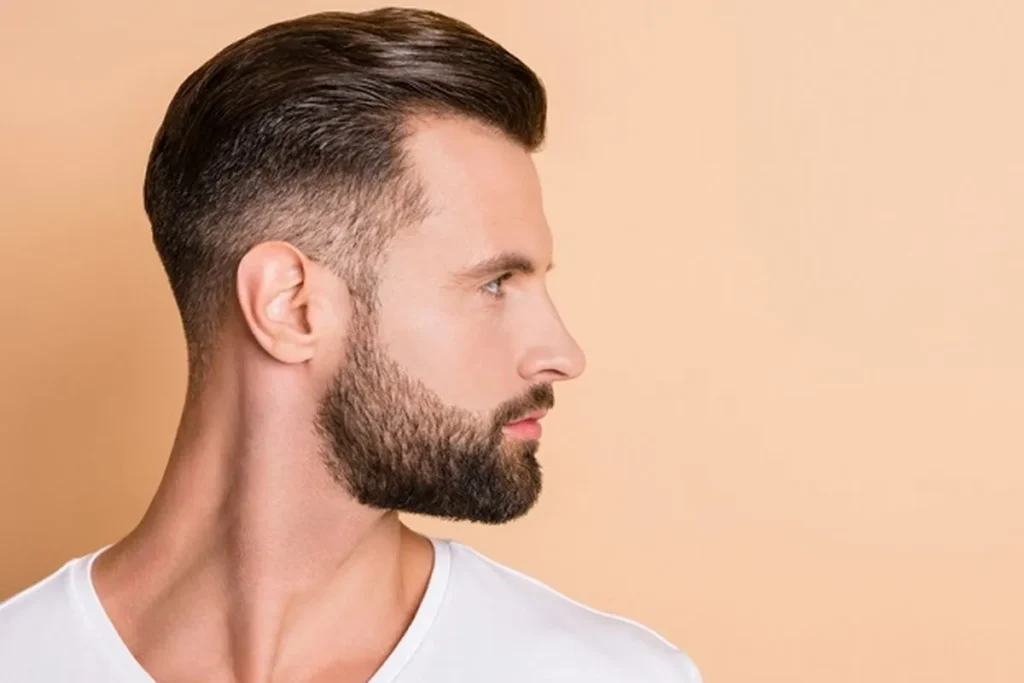
An average hairline is known for its position, shape, and how it frames the forehead. It looks good when it matches the face’s features well.
The Middle Hairline Position
The middle hairline is often seen as the best. It gives a balanced look. This is common in teens and twenties, making them look young.
Regain your confidence with a hairline that fits your face well. A well-placed hairline can really boost your look.
Common Hairline Shapes
Hairlines come in shapes like straight, slightly rounded, or M-shaped. These are all signs of a healthy hairline.
Proportionate Forehead Appearance
A forehead that looks right with the hairline is key to a good look. Experts say this is very important for how we see faces.
The table below shows what makes a hairline average and how it affects looks:
Knowing these traits helps us see the beauty in a normal hairline. It also guides us in choosing hair restoration options.
Gender Differences in Normal Hairlines
Hairlines differ a lot between men and women. This is due to genetics and hormones. Knowing these differences helps us see how special each person’s hair is.
Male Hairline Patterns
Male hairlines often look like an M or are slightly rounded. They sit higher on the forehead. Men might also have temple recessions, which can be shaped by genes and hormones.
A typical male hairline is known for:
A higher position on the forehead
An M-shaped or rounded look
Possible temple recessions
Female Hairline Features
Female hairlines are softer and rounder. They sit lower on the forehead than men’s. Women’s hairlines tend to be more even and less likely to recede.
A healthy female hairline is known for:
A lower position on the forehead
A softer, rounder shape
Less noticeable temple areas
Age-Related Changes
As people get older, their hairlines change. Men’s M-shaped hairlines might grow more defined. Women’s hairlines can change shape and position over time.
Understanding hairline differences and how they change with age can boost confidence. Recognizing the unique traits of male and female hairlines helps in making better hair care choices.
Conclusion
A normal hairline has specific features that differ between men and women. Knowing these details is key for those worried about their hair.
Spotting the signs of a healthy hairline, like a smooth or slightly uneven one, helps people value their hair. It also guides them in choosing the right treatments.
Talking to dermatologists or trichology experts can offer tailored advice. They help keep your hairline looking great. This way, you can feel more confident and have a hairline that looks natural and healthy, just like airline standards.
Getting professional help and learning about a normal hairline is the first step. It leads to achieving your hair goals and enjoying healthy hair for life.
FAQ
What does a healthy hairline look like?
A healthy hairline has even density, minimal thinning, and a natural shape that suits your face. The hair behind the front line should appear thick and consistent.
What is a typical male hairline?
A typical male hairline is slightly rounded in youth and may mature into a mild M-shape in adulthood without deep recession.
What is a normal hairline for women?
A normal female hairline is usually lower, rounded, and fuller, with little to no temple recession.
How does a naturally high hairline affect overall hair health?
A naturally high hairline is genetic and does not mean poor hair health. If density is strong and stable, it is normal.
What is the feathering zone, and why is it important?
The feathering zone is the soft, slightly irregular front edge of the hairline where finer hairs grow. It creates a natural look and avoids a harsh straight line.
How does age affect hairline characteristics?
With age, the hairline may move slightly higher (mature hairline), and density can gradually reduce, especially in men sensitive to Dihydrotestosterone.
What is a jagged hairline, and is it normal?
A jagged hairline has small irregular edges instead of a straight line. It is completely normal and often looks more natural.
How can I determine if my hairline is normal?
Check for stable position over time, consistent thickness behind the hairline, and no rapid thinning or patchy loss.
What are the characteristics of a regular hairline?
Balanced shape, even density, natural feathering at the front, and gradual—not sudden—changes over time.
References
National Center for Biotechnology Information. Evidence-Based Medical Insight. Retrieved from https://pubmed.ncbi.nlm.nih.gov/27830323/