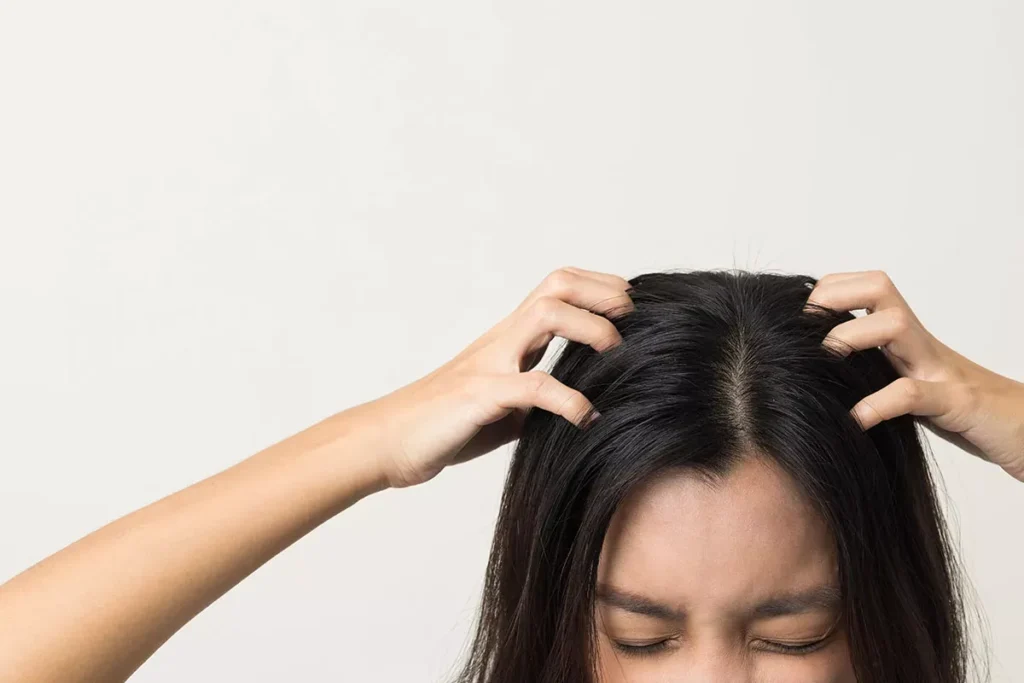
Scalp pruritus, or itchy scalp, is a common problem worldwide. It can be caused by many things, like dandruff, seborrheic dermatitis, and even head lice. Knowing the cause is key to finding the right treatment.
Many people deal with scalp itching and other scalp issues. To find real relief, it’s important to figure out what’s causing the itch. This way, you can use the right anti-itch scalp treatment.
Key Takeaways
Scalp pruritus can be caused by various underlying conditions.
Identifying the root cause is key for effective treatment.
Targeted treatments can help ease scalp discomfort.
Several remedies are available to address scalp itching.
Understanding the cause can help prevent recurring irritation.
Understanding Scalp Pruritus and Its Causes
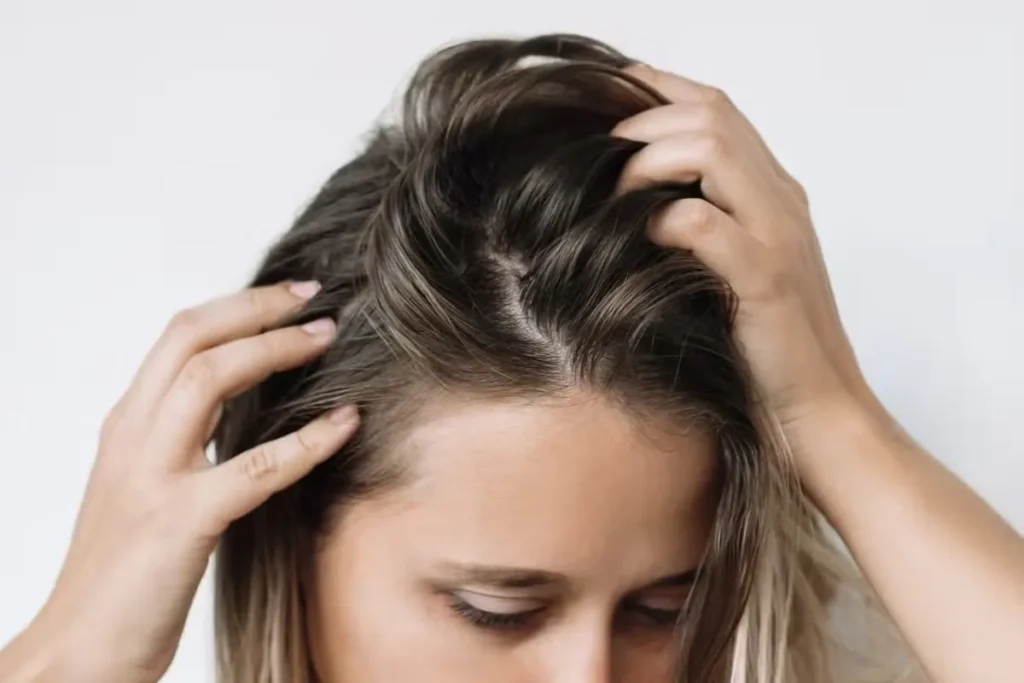
Many people deal with an itchy scalp, known as scalp pruritus. It’s more common than you might think. It can be caused by many things. Knowing what causes it is key to finding relief.
Common Triggers of Itchy Scalp
Several things can make your scalp itch. Dandruff and seborrheic dermatitis are top reasons. Dandruff makes your scalp dry and flaky. Seborrheic dermatitis, on the other hand, causes oily patches and itchiness.
Atopic dermatitis can also make your scalp dry and itchy. It happens when your scalp’s natural barrier is broken. Seborrheic dermatitis is more common in oily scalps. It’s caused by too much oil. Other reasons include hair product sensitivity, dry scalp, and stress.
How to Identify Your Specific Condition
Finding out why your scalp itches is important. If it’s dry and flaky, it might be dandruff or a dry scalp. But if you see oily patches or redness, it could be seborrheic dermatitis.
Watching your symptoms and maybe talking to a dermatologist can help. If you itch a lot without flakes, it might be atopic dermatitis or product sensitivity. Knowing what you have helps you find the best treatment.
7 Effective Ways to Calm an Itchy Scalp
Find relief from an itchy scalp with our guide to the 7 most effective treatments. These treatments are backed by their active ingredients and benefits. An itchy scalp can be uncomfortable and frustrating. But, knowing the right treatments can make a big difference.
1. Medicated Shampoos
Medicated shampoos are a good first step against an itchy scalp. They often have ingredients like ketoconazole and pyrithione zinc. These ingredients can help relieve itchiness.
When picking a medicated shampoo, it’s important to know why your scalp is itchy. This helps you choose the right ingredient.
Key Ingredients and Their Benefits:
2. Coconut Oil Treatments
Coconut oil is full of essential fatty acids. These acids deeply moisturize and soothe the scalp. It’s a great natural remedy for an itchy scalp.
To use coconut oil, warm it up and massage it into your scalp. Leave it on for at least an hour before washing with a gentle shampoo.
Nutrition Expert
3. Tea Tree Oil Applications
Tea tree oil has antimicrobial and anti-inflammatory properties. It can help soothe scalp pain and irritation. But, it’s important to dilute it with a carrier oil because it’s potent.
A few drops of tea tree oil mixed with coconut or olive oil can be massaged into the scalp. This provides relief.
4. Peppermint Oil Solutions
Peppermint oil can provide a cooling sensation that helps to alleviate itchiness. But, use it with caution and dilute it with a carrier oil to avoid irritation. It can also stimulate blood flow to the scalp, promoting healthy hair growth.
Precautions: Always perform a patch test before using any new oil or treatment to check for any adverse reactions.
By adding these remedies to your scalp care routine, you can calm an itchy scalp and promote overall scalp health. Whether you choose medicated shampoos or natural oil treatments, consistency and patience are key. It may take some time to see improvements.
When to Consult a Doctor for Persistent Scalp Itching
If you have persistent scalp itching, it’s important to know when to see a doctor. Sometimes, itchiness is normal. But if it doesn’t go away or gets worse, it might mean there’s something serious going on.
Warning Signs That Require Medical Attention
Some symptoms with itchy scalp mean you should see a doctor. These include:
Small bumps or rashes on the scalp, which could be indicative of conditions like folliculitis or dermatitis.
Severe itching that disrupts sleep or daily activities.
Excessive hair loss associated with the itchiness.
Redness and inflammation that doesn’t improve with over-the-counter treatments.
These signs might mean you have a fungal infection, psoriasis, or eczema. If you notice any of these, seeing a dermatologist is a must. They can give you the right diagnosis and treatment.
Professional Treatment Options
Doctors might suggest different treatments based on what they find. These can include:
Finding out why your scalp is itchy is the first step to getting better. A doctor can figure out what’s causing it and suggest the best treatment.
Getting medical help when needed can make you feel better and avoid bigger problems.
Conclusion
It’s important to know why your scalp itches and how to treat it. Scalp itching can make your hair feel scratchy and cause discomfort, often at the back of your head.
Figuring out what makes your scalp itch is the first step to feeling better. Using medicated shampoos and oil treatments can help. These methods can soothe your scalp and keep it healthy.
Keeping your scalp healthy is key to feeling good overall. By taking care of your scalp and knowing what causes itching, you can avoid future problems. This way, you can enjoy a scalp that’s free from itchiness.
FAQ
What causes an itchy scalp after a shower?
Hot water, harsh shampoos, over-washing, product residue, or dry skin can strip natural oils and irritate the scalp. Sensitivity to fragrance or ingredients may also trigger itching.
How can I treat itchy scalp spots?
Use a gentle, fragrance-free shampoo, avoid scratching, apply soothing aloe vera gel, and try diluted tea tree oil. If spots are red, scaly, or painful, it could be Seborrheic dermatitis, Scalp psoriasis, or a fungal infection and may need medicated treatment.
Is itchy scalp related to hair loss?
Itching alone doesn’t usually cause hair loss. However, constant scratching or underlying conditions like severe dermatitis can lead to temporary shedding.
What is the best shampoo for an itchy scalp with no dandruff?
Choose a mild, sulfate-free, fragrance-free shampoo. Ingredients like aloe vera, colloidal oatmeal, or niacinamide can soothe irritation without targeting dandruff specifically.
Why does my scalp itch when I sweat?
Sweat can irritate the scalp, especially if mixed with oil and product buildup. Heat and trapped moisture can also worsen sensitivity or fungal overgrowth.
What are the symptoms of an itchy scalp that require medical attention?
See a doctor if you have intense itching lasting more than 2–3 weeks, thick crusts or scales, spreading redness, pain, open sores, pus, or noticeable hair loss.
Can I use coconut oil to treat an itchy scalp?
Yes, coconut oil can moisturize dry scalp and reduce mild irritation. Apply lightly and wash out thoroughly, especially if you’re prone to buildup.
How does tea tree oil help with itchy scalp?
Tea tree oil has antifungal and anti-inflammatory properties that may reduce itching linked to dandruff or mild fungal irritation. Always dilute it before applying.
What is the role of peppermint oil in treating itchy scalp?
Peppermint oil creates a cooling sensation that can temporarily relieve itchiness and improve scalp circulation. It should always be diluted with a carrier oil before use.
References
National Center for Biotechnology Information. Evidence-Based Medical Insight. Retrieved from https://pmc.ncbi.nlm.nih.gov/articles/PMC6350598/[1