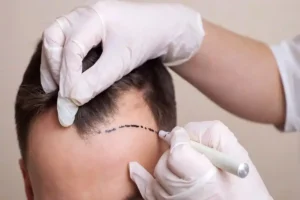
Hair restoration through surgery is now a common choice for those dealing with hair loss. While it’s mostly safe, knowing the possible risks and complications is key.
Learn the side effects hair transplant surgery truth. Use amazing, powerful tips to avoid scary risks and achieve incredible hair results.
Studies show that issues like swelling, itching, and crusting often happen right after the surgery. But, serious problems are rare if the surgery is done by qualified surgeons.
Knowing about these possible outcomes can help you make better choices. It also prepares you for a smoother recovery. It’s important to understand the risks to ensure a good result.
Key Takeaways
Temporary issues like swelling and itching are common after the procedure.
Serious complications are rare with qualified surgeons.
Understanding possible risks helps in making informed decisions.
A smoother recovery is possible with proper preparation.
Choosing an experienced surgeon is key for a successful outcome.
Understanding Hair Transplant Procedures and Their Safety Profile
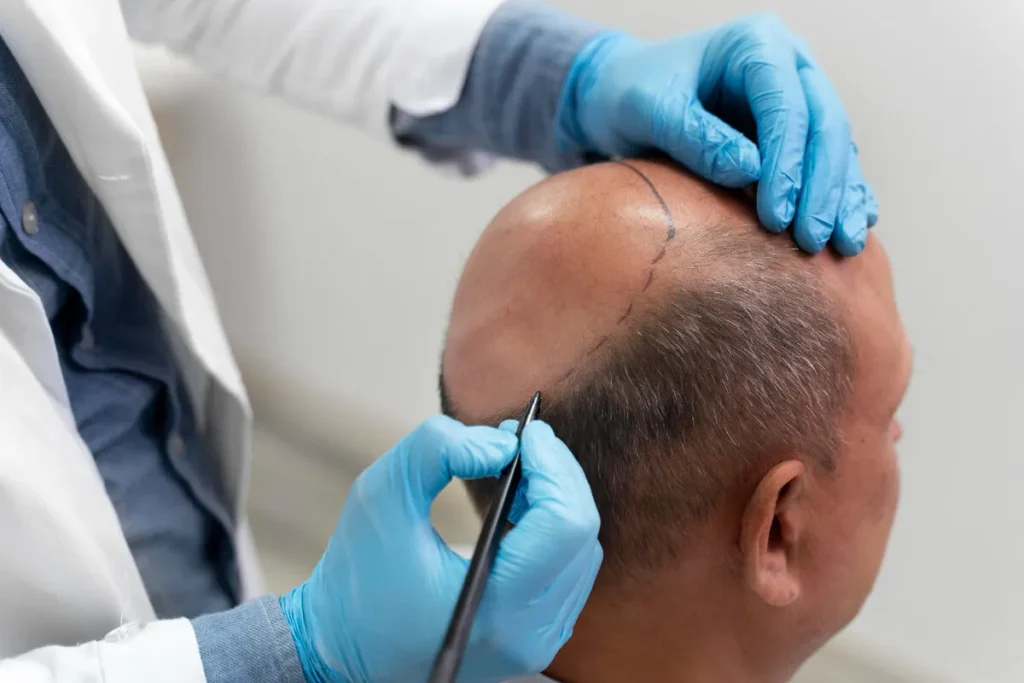
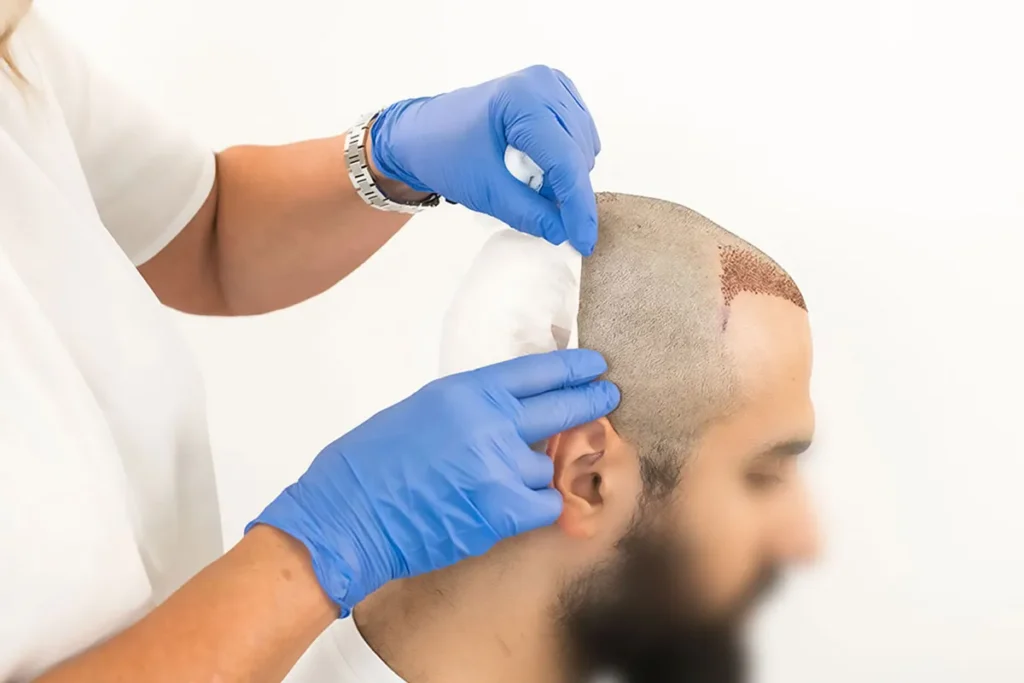
Hair transplant methods are getting better, but it’s key to know their safety and risks. This surgery moves hair follicles from one area to another. It’s usually done to fix balding or thinning hair.
Common Hair Transplant Techniques: FUT vs. FUE
There are two main ways to do hair transplants: Follicular Unit Transplantation (FUT) and Follicular Unit Extraction (FUE). FUT takes a strip of hair-bearing skin and breaks it into single follicles. On the other hand, FUE pulls out follicles directly from the donor area, leaving little to no scar.
General Safety Statistics and Considerations
Research shows hair transplant surgery is mostly safe. But, some side effects can happen. These include swelling (42.5% of patients) and shock loss (45% of patients). Rarely, serious issues like infection or graft necrosis can occur in less than 5% of cases. Here’s a detailed look at the safety stats:
Knowing these numbers can help patients decide if a hair transplant is right for them.
Common Side Effects Hair Transplant Surgery Patients Experience
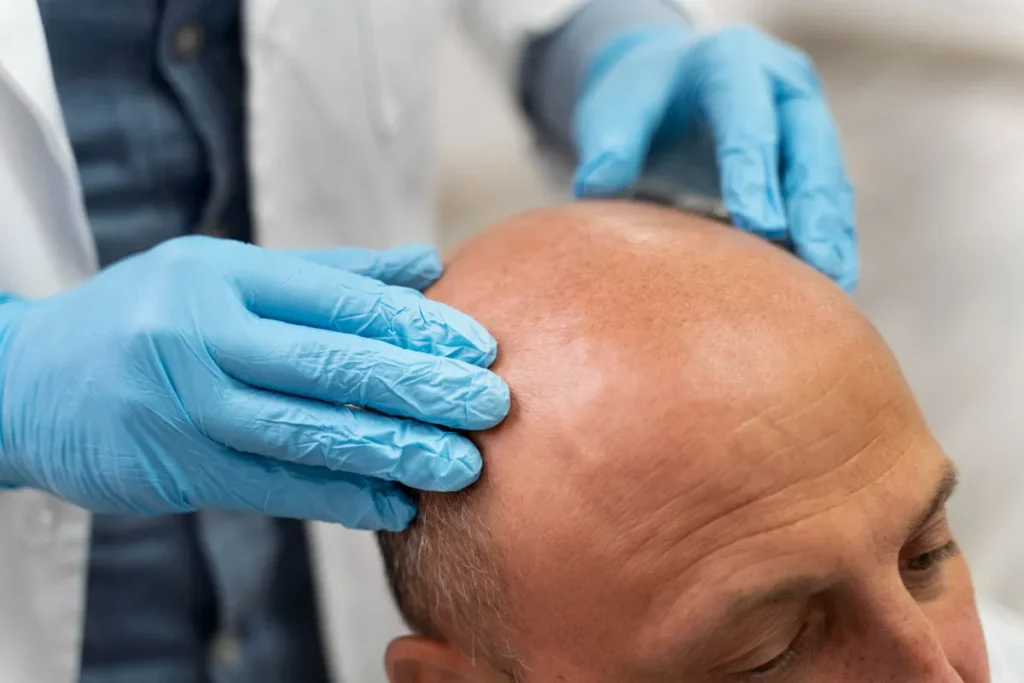
Hair transplantation is generally safe, but it comes with some common side effects. These can be divided into immediate and short-term effects. Both are usually temporary and can be managed.
Immediate Post-Operative Effects
Right after the surgery, swelling, redness, and scabbing on the scalp are common. These immediate post-operative effects are normal and usually go away in 7-10 days. You might also feel mild itching as your scalp heals.
Short-Term Side Effects
In the short term, you might feel mild pain, see more redness and scabbing. Shock loss is also possible, where both new and existing hairs fall out. This might seem scary, but it’s temporary, and your hair should grow back in a few months.
Knowing about these side effects can help you prepare for recovery. It can also reduce your worries about the procedure.
Serious Complications and Long-Term Risks
Though rare, serious issues and long-term risks can happen with hair transplant surgery. It’s key for patients to know these risks to make smart choices.
Medical Complications
Medical problems linked to hair transplant surgery include infection and folliculitis. Infection rates are very low, under 1%, but can happen if you don’t follow post-op care well. Following wound care and medication can greatly lower infection risk.
Permanent or Long-Lasting Effects
Permanent or lasting effects can come from bad technique or lack of experience. These include visible scars, unnatural hair looks, and hair loss in the donor area from taking too much. Choosing a skilled and experienced surgeon is key to avoiding these risks.
Minimizing Risks Through Proper Surgeon Selection and Aftercare
Choosing a qualified surgeon is key to avoiding hair transplant dangers and complications. A skilled surgeon can greatly lower the risk of problems and ensure a smooth recovery.
Proper aftercare is also vital to prevent side effects from hair transplant surgery. Patients must follow post-operative instructions closely. This includes keeping the scalp clean, avoiding hard work, and going to follow-up appointments. This is very important for those who have experienced Turkey hair transplant swelling or other issues.
By following these steps, patients can get natural-looking, lasting results. A healthy diet, less stress, and not smoking can also help improve hair quality and results.
FAQ
What are the common side effects of hair transplant surgery?
Common side effects include swelling, redness, scabbing, itching, and mild discomfort at the donor and recipient sites, usually resolving within a few days to weeks.
Are there any serious complications associated with hair transplant surgery?
Serious complications are rare but can include infection, excessive bleeding, scarring, or poor graft survival if post-operative care is not followed.
How can I minimize the risks associated with hair transplant surgery?
Choose a qualified surgeon, follow all pre- and post-operative instructions, avoid smoking and alcohol before surgery, and maintain proper scalp hygiene afterward.
What is the difference between FUT and FUE hair transplant techniques?
FUT (Follicular Unit Transplant) involves removing a strip of scalp and dissecting grafts, leaving a linear scar, while FUE (Follicular Unit Extraction) removes individual follicles, leaving tiny dot scars and typically faster healing.
Can hair transplant surgery cause long-term or permanent effects?
Most effects are positive and long-lasting if performed correctly, but scars, changes in scalp sensation, or uneven hair growth can be permanent in some cases.
How long does it take to recover from hair transplant surgery?
Initial healing takes 7–14 days, but full graft settling and visible regrowth may take 3–6 months, with final results in 9–12 months.
What are the risks of infection with hair transplant surgery?
Infection is uncommon if sterile technique and post-operative care are followed; signs include redness, pus, swelling, or persistent pain.
Can I experience shock loss after hair transplant surgery?
Yes, temporary shedding of transplanted or surrounding hair, called shock loss, can occur within weeks but usually regrows over several months.
How can I ensure natural-looking results from hair transplant surgery?
Select an experienced surgeon, ensure proper graft placement and density, match hair angle and direction, and discuss hairline design to complement your facial features.
References
National Center for Biotechnology Information. Evidence-Based Medical Insight. Retrieved from https://pubmed.ncbi.nlm.nih.gov/39179656/