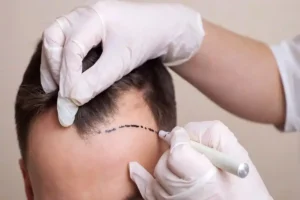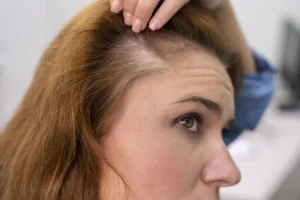
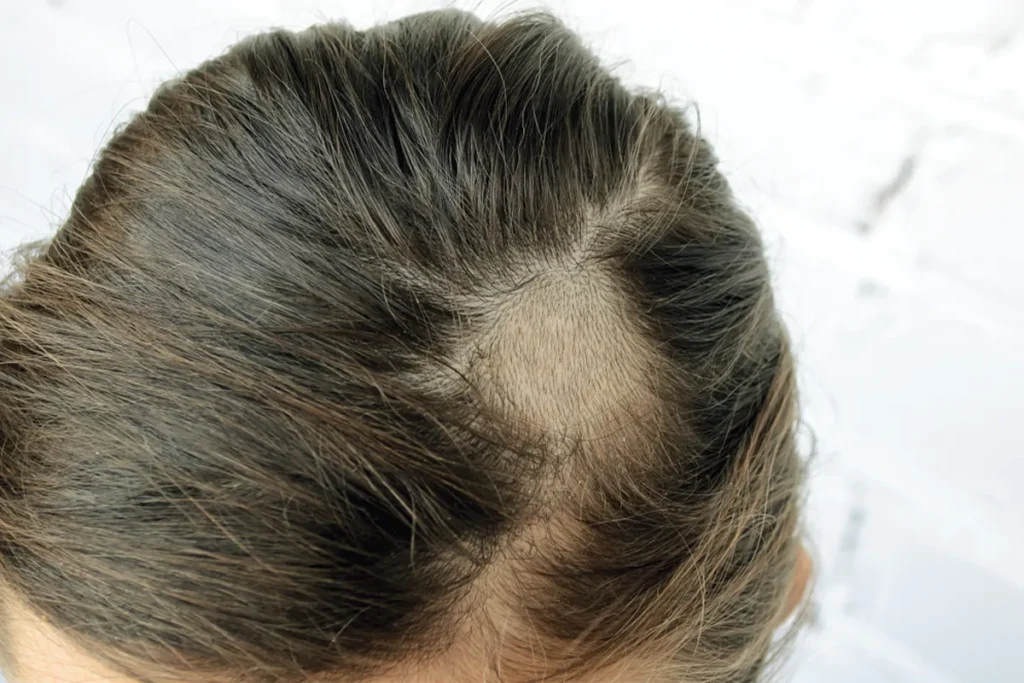
Ringworm on the head, also known as tinea capitis, is a fungal infection. It affects the scalp hair and the skin around it. It’s caused by Microsporum and Trichophyton species.
This condition spreads easily and can cause permanent hair loss if not treated right. It’s important to know how to treat scalp ringworm to manage it well.
Millions worldwide have this fungal infection. Getting medical help quickly is key for ringworm treatment.
Key Takeaways
Ringworm on the head is a highly contagious fungal infection.
Tinea capitis affects the scalp hair and surrounding skin.
Proper diagnosis is key to avoid serious problems.
There are effective ways to treat scalp ringworm.
Seeing a doctor quickly is vital for managing it.
Understanding Ringworm on Head
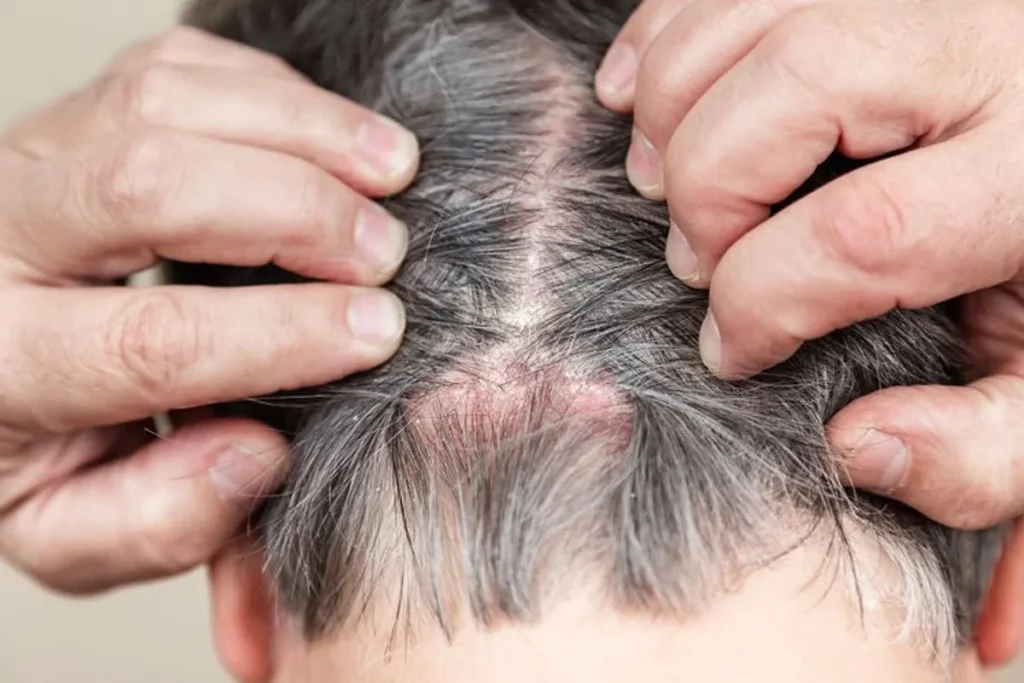
Ringworm on the head is a fungal infection of the scalp, known as tinea capitis. It’s caused by fungi that eat keratin in the skin, hair, and nails.
What is Tinea Capitis?
Tinea capitis is a fungal infection that mainly affects the scalp. It causes itching, redness, and hair loss. It’s caused by dermatophytes, a type of fungi that thrives on keratin. This infection is highly contagious and can spread through direct contact with an infected person or contaminated objects.
Who is at Risk?
Children aged 3 to 10 are most at risk of tinea capitis, but adults can also get it. Poor hygiene, crowded living conditions, and using contaminated personal care items increase the risk.
How Ringworm Spreads
Ringworm on the head spreads through direct skin contact with an infected person. It can also spread by touching contaminated objects like combs, hats, or pillows. The fungi can live on these objects for a long time, making good hygiene key to preventing it.
Identifying Ringworm on Head Symptoms
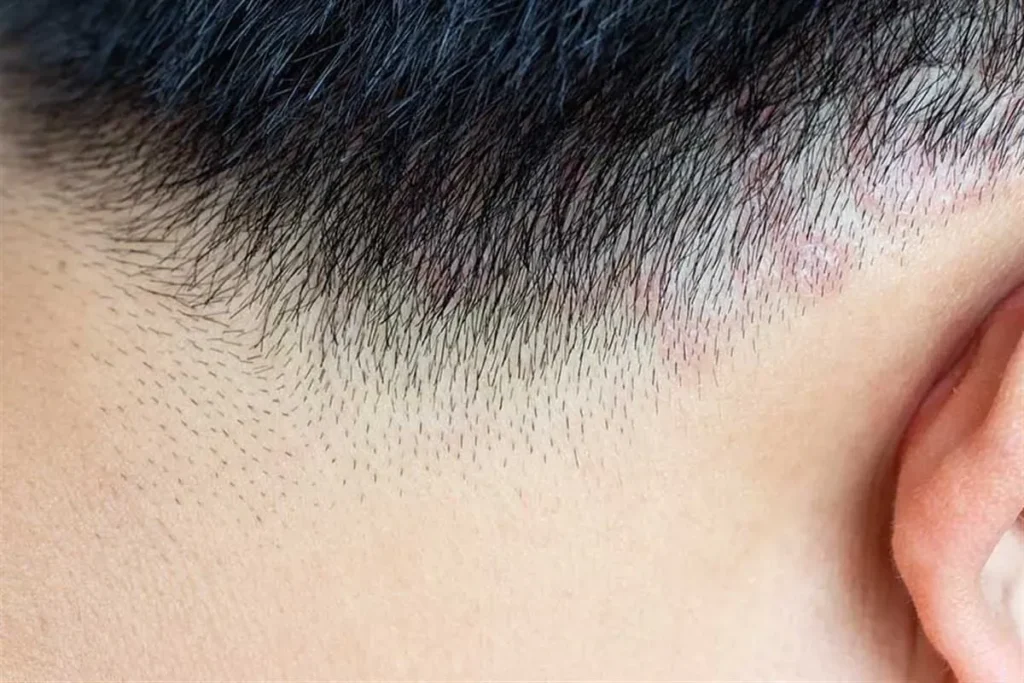
Understanding ringworm on the head symptoms is key. Ringworm on the head, or tinea capitis, can cause several uncomfortable signs.
Early Warning Signs
Early signs include circular, scaly bald patches and itching or tenderness on the scalp. Some people might feel mild burning. Hair breaking easily near the root is another symptom.
Advanced Symptoms
As it gets worse, symptoms can get more severe. This might include painful, pus-filled lumps called kerions. Swollen lymph nodes in the neck can also happen.
When to Seek Medical Attention
If you see advanced symptoms or if early signs don’t go away, get medical help. A doctor can diagnose and suggest the right treatment.
Effective Treatments for Ringworm on Head
To treat ringworm on the head, you need to use medicine, keep things clean, and take steps to prevent it from coming back. The goal is to get rid of the fungus, stop it from spreading, and keep it from coming back.
Prescription Antifungal Medications
Doctors usually start with griseofulvin or terbinafine for ringworm on the head. These medicines stop the fungus from growing. This lets your body fight off the infection. Treatment can last weeks to months.
Which medicine you get depends on the fungus and your health. Your doctor will decide based on these factors.
Over-the-Counter Options
You can also use OTC antifungal shampoos and creams. These can help lower the fungus on your scalp. Ketoconazole and selenium sulfide are common in these products.
Home Care During Treatment
Keeping things clean is key when treating ringworm on the head. Wash your hair and scalp with antifungal shampoo. Keep your scalp clean and dry. Don’t share personal items.
Also, wash your clothes, bedding, and towels in hot water. This kills any fungus that might be there.
Prevention Strategies
To prevent ringworm on the head, practice good hygiene and avoid risks. Check your scalp often for signs of infection. Don’t touch people with ringworm. Take care of your scalp to lower the risk of getting ringworm.
Regularly clean and dry the scalp
Avoid sharing personal care items
Use antifungal shampoos periodically
Conclusion
Tinea capitis, also known as ringworm on the scalp, is treatable. It’s important to act fast to avoid lasting damage and prevent it from spreading. Knowing the signs, risks, and treatment choices is key to managing it well.
Spotting early signs and getting medical help quickly is vital. This way, treatment can start sooner, lowering the chance of serious problems. Treatment usually includes prescription antifungal meds. Sometimes, over-the-counter options are suggested too.
Getting the right treatment helps not just to feel better but also stops the infection from spreading. By sticking to the treatment plan and taking preventive steps, you can keep ringworm under control. This helps avoid it coming back.
FAQ
What is ringworm on the scalp?
Ringworm on the scalp (tinea capitis) is a contagious fungal infection that affects the scalp and hair shafts, causing scaly patches and hair loss.
How do you get ringworm on your head?
You can get it through direct contact with an infected person, animal, contaminated objects like combs or hats, or surfaces carrying the fungus.
What are the symptoms of ringworm on the head?
Symptoms include round scaly patches, itching, broken hairs, bald spots, redness, and sometimes swollen lymph nodes.
How is ringworm on the scalp treated?
It is treated with prescription oral antifungal medications, often combined with medicated antifungal shampoos.
Can ringworm on the head be prevented?
Good hygiene, avoiding sharing personal items, and treating infected pets or household members can help prevent infection.
What causes ringworm on the scalp?
It is caused by dermatophyte fungi that invade the outer layer of skin and hair shafts.
Is ringworm on the head contagious?
Yes, it is highly contagious and can spread easily through close contact or shared items.
How long does it take to treat ringworm on the scalp?
Treatment typically lasts 4 to 8 weeks, depending on the severity and response to medication.
References
National Center for Biotechnology Information. Evidence-Based Medical Insight. Retrieved from https://pubmed.ncbi.nlm.nih.gov/10893017/