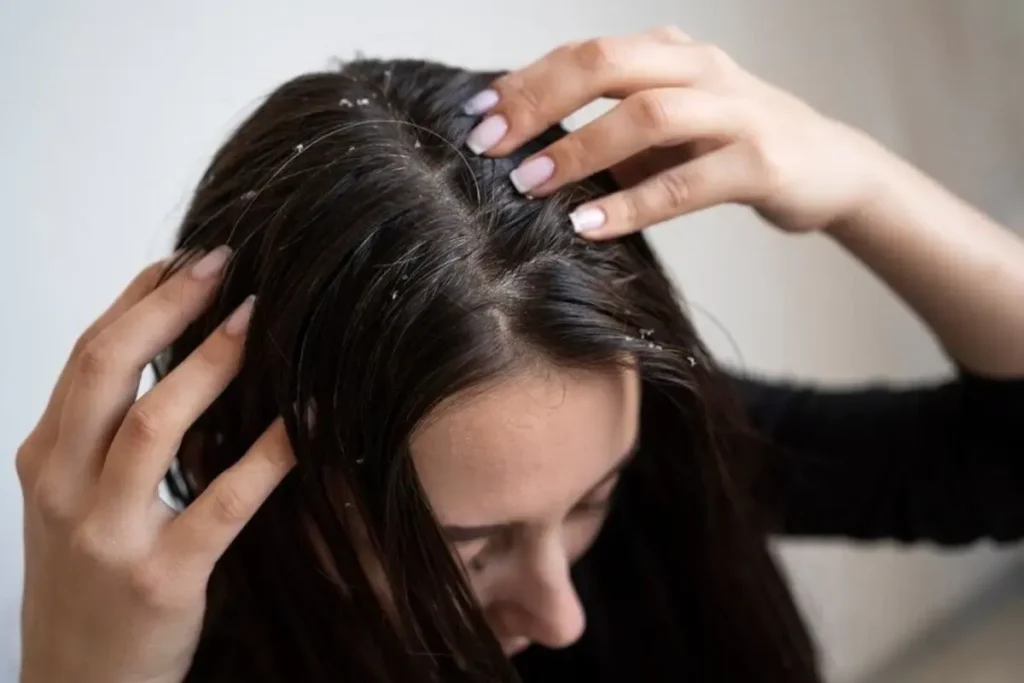
Seborrheic dermatitis is a chronic skin condition that affects millions. It causes discomfort and distress. It shows up as flaky white scales on the scalp and crusty patches behind or inside the ears.
Fix a white scalp with the scary truth and an amazing cure. Use powerful, incredible ways to stop scary scaling and achieve health today.
This condition hits about 3 to 10 percent of people, more in infancy and early adulthood. It’s more common in men and in cold, dry places. Knowing how crusty ears and scalp symptoms are linked is key to treating it.
At gold city hair, we focus on patient care. We use the latest treatments to help manage these symptoms and improve skin health.
Key Takeaways
Seborrheic dermatitis is a chronic inflammatory skin condition.
It causes flaky scales on the scalp and crusty patches on the ears.
The condition affects approximately 3 to 10 percent of the population.
Men are more frequently affected, specially during cold, dry climates.
Effective treatment requires understanding the relationship between scalp and ear symptoms.
Understanding Seborrheic Dermatitis
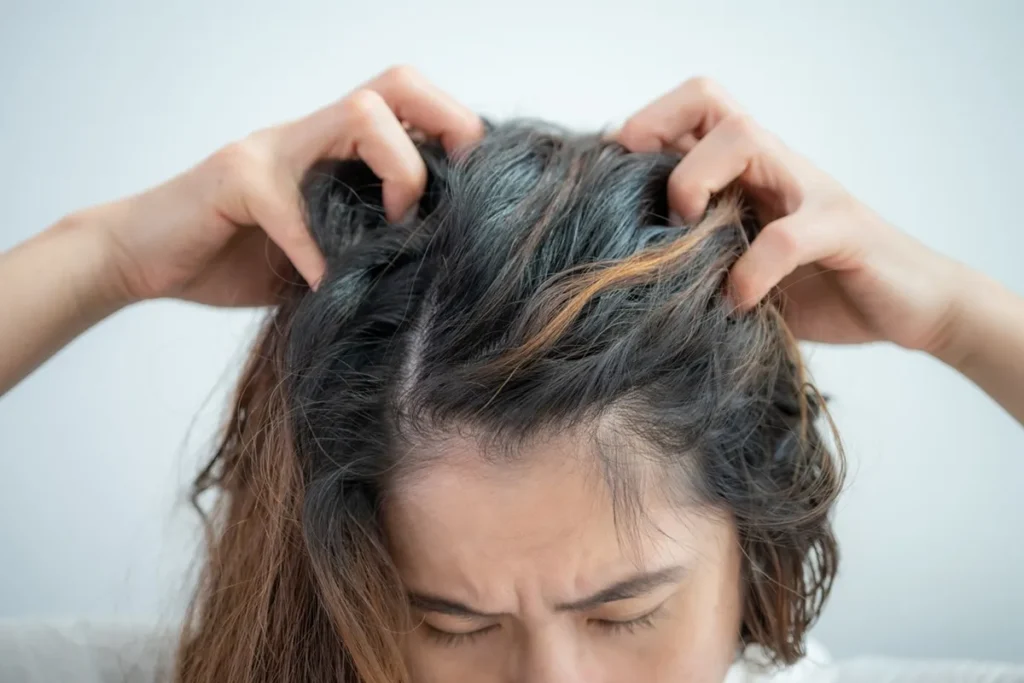
Seborrheic dermatitis is a complex condition. It involves yeast overgrowth and how our bodies react to it. This condition causes flaky, itchy skin, mainly on the scalp. It can also appear on other oily parts of the body.
Studies show that too much Malassezia yeast leads to inflammation. This results in scaling, itching, and crusting. “The role of Malassezia yeast in seborrheic dermatitis is well-documented, with studies suggesting that its metabolic activities contribute to the condition’s pathogenesis” (Gupta & Bluhm, 2004).
The Science Behind Malassezia Yeast Overgrowth
Malassezia yeast is common on human skin, more so in oily areas. But in people with seborrheic dermatitis, it grows too much. This leads to inflammation.
The exact reason is not clear. But it’s thought that the yeast’s waste products irritate the skin. This causes inflammation.
Risk Factors and Prevalence in Different Populations
Several factors increase the risk of seborrheic dermatitis. These include stress, extreme weather, oily skin, and certain health issues. The condition is more common in some groups and during certain life stages.
Stress and neurological disorders
Weather extremes, such as cold, dry weather
Oily skin and other skin conditions
Certain medical conditions, like HIV/AIDS and Parkinson’s disease
It’s estimated that seborrheic dermatitis affects about 3-5% of the world’s population. But this number can be higher in specific groups.
A study found, “Seborrheic dermatitis is a common condition that can significantly impact quality of life, necessitating a thorough understanding of its causes and risk factors for effective management”
Identifying White Scalp and Ear Crusting Symptoms
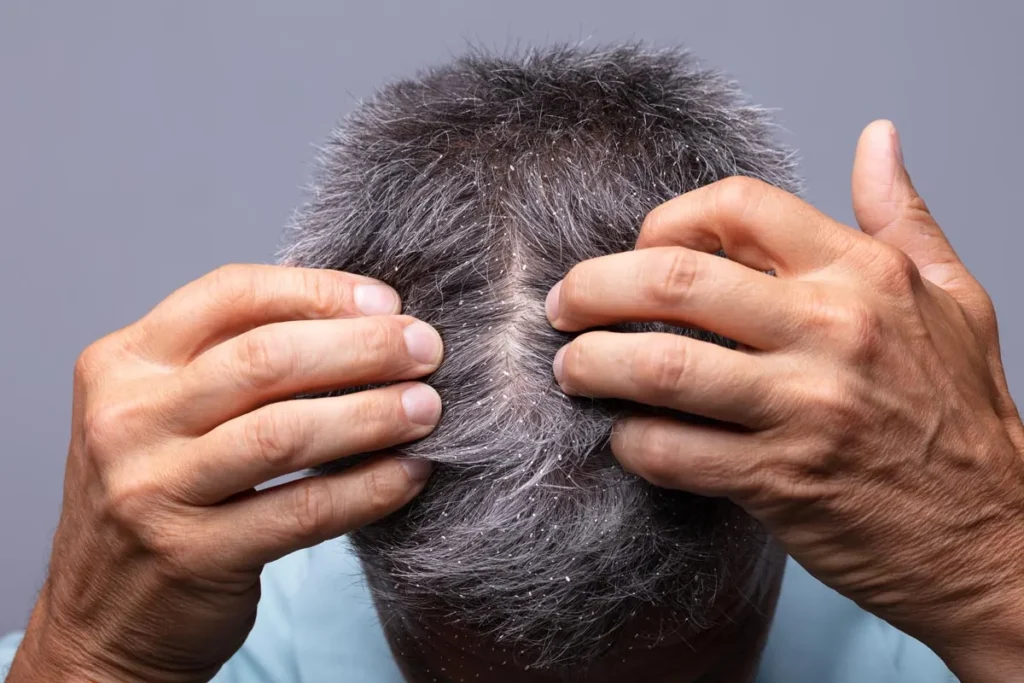
Looking for white scalp and ear crusting symptoms means watching for flaky white to yellowish scales and crusts. These signs often point to seborrheic dermatitis. This condition hits oily spots like the scalp, face, and ears.
Recognizing Flaky White to Yellowish Scales
Flaky white to yellowish scales pop up on oily spots, like the scalp, face, ears, and behind the ears. They come with redness and itching, making it hard for those affected.
Flaky scales are key signs. Spotting them helps figure out the condition. It’s important to tell them apart from other skin issues to treat them right.
Yellow Crust Inside Ear and Behind Ears
A yellow crust inside the ear and behind the ears is a symptom to watch. It shows the body’s fight against malassezia yeast, a fungus on the skin.
The crust is oily and sticks to the skin, causing pain. It might lead to infections if not treated.
When Symptoms Require Medical Attention
Some white scalp and ear crusting can be treated with over-the-counter products. But, sometimes medical attention is needed. If symptoms don’t get better or get worse, see a doctor.
Signs needing a doctor’s help include severe itching, big crusting, or signs of infection like more redness, swelling, or pus.
Effective Treatments for White Scalp
White scalp treatment uses medicated shampoos, topical antifungal meds, and lifestyle changes. It aims to lessen flaking, inflammation, and Malassezia yeast growth. This yeast is linked to seborrheic dermatitis.
Medicated Shampoos with Zinc Pyrithione and Selenium Sulfide
Medicated shampoos are a key treatment for white scalp. Zinc pyrithione and selenium sulfide help control flaking and yeast growth. Zinc pyrithione fights fungi and bacteria, while selenium sulfide slows yeast growth.
When picking a medicated shampoo, think about your symptoms and the ingredients. Some shampoos work better than others. For example, zinc pyrithione shampoos are good for controlling flaking and inflammation.
Topical Antifungal Medications (Ketoconazole, Ciclopirox)
For serious cases or when shampoos don’t work, topical antifungal medications are used. Ketoconazole and ciclopirox fight Malassezia yeast. They’re applied to the scalp and behind the ears.
Ketoconazole comes in shampoos, creams, and foams. It fights many fungi and yeast. Ciclopirox is good for treating fungal infections in nails and skin.
Daily Management and Prevention Strategies
Managing white scalp and preventing flare-ups needs regular treatment and lifestyle changes. Use medicated shampoos, keep the scalp clean, and avoid triggers.
Daily management includes:
Using antifungal shampoos as directed
Keeping the scalp clean and dry
Avoiding harsh hair products that can irritate the scalp
Managing stress through relaxation techniques
By following these strategies, you can manage white scalp and reduce symptoms.
Conclusion
Seborrheic dermatitis is a long-term condition that can be managed with the right treatment. Knowing about the condition and its treatments helps people control it. This reduces symptoms like a white scalp, crusty ears, and flaky skin.
Medicated shampoos and topical antifungal medications are key treatments. They help lessen symptoms. Also, good skin care and managing risk factors can reduce the condition’s severity.
By actively managing seborrheic dermatitis, people can cut down on flaky skin and crusty ears. This improves their skin health. The right treatment can help control the condition and make daily life better.
FAQ
What is seborrheic dermatitis?
Seborrheic dermatitis is a chronic inflammatory skin condition that causes red, itchy, and flaky patches, often affecting the scalp, face, and body folds.
What causes seborrheic dermatitis?
It is caused by an overgrowth of Malassezia yeast, excess oil production, genetics, stress, and certain medical conditions.
How is seborrheic dermatitis diagnosed?
Diagnosis is usually clinical, based on visible scalp or skin symptoms, and sometimes confirmed by ruling out other skin conditions.
What are the symptoms of seborrheic dermatitis on the scalp?
Symptoms include greasy or dry flakes, redness, itching, burning, and sometimes mild hair thinning in affected areas.
How can I treat seborrheic dermatitis on my scalp?
Treatment includes medicated shampoos containing ketoconazole, zinc pyrithione, selenium sulfide, or salicylic acid, along with topical antifungal creams if needed.
Can seborrheic dermatitis cause a yellow crust inside the ear?
Yes, it can cause yellow, greasy crusts or flakes inside or behind the ear, which is a common site for this condition.
How can I manage seborrheic dermatitis behind the ears?
Clean gently with medicated cleansers, apply antifungal creams if prescribed, and keep the area dry to reduce flare-ups.
Are there any daily management strategies for seborrheic dermatitis?
Regular washing with gentle or medicated shampoos, minimizing stress, avoiding harsh hair products, and moisturizing affected areas can help manage symptoms.
Can seborrheic dermatitis be cured?
There is no permanent cure, but symptoms can be effectively managed with ongoing treatment and lifestyle adjustments.
When should I seek medical attention for seborrheic dermatitis?
See a doctor if symptoms are severe, persistent, spreading, or causing significant discomfort, or if over-the-counter treatments fail to improve the condition.
References
National Center for Biotechnology Information. Evidence-Based Medical Insight. Retrieved from https://pubmed.ncbi.nlm.nih.gov/14678527/