
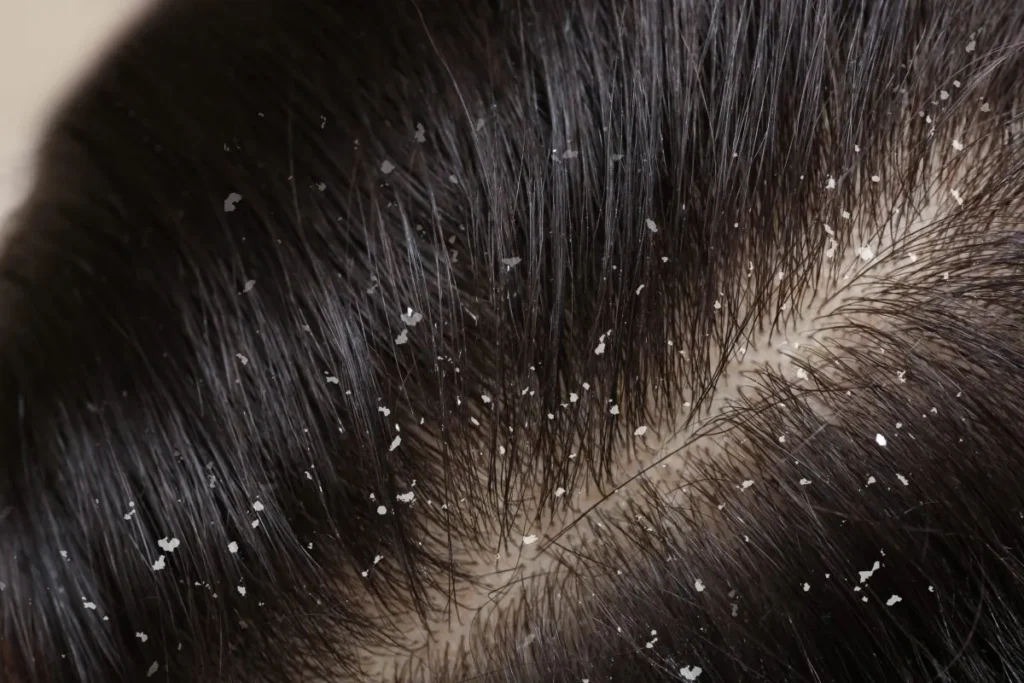
Millions of people find it hard to tell if they have dandruff or scalp psoriasis. Both cause flaking and discomfort. Knowing the difference is key to feeling better.
Fix a crusty scalp with this scary truth and amazing win. Use powerful, incredible remedies to stop scary flakes and achieve health fast.
Even though they look similar, dandruff and scalp psoriasis have different reasons and treatments. Dandruff is harmless, but scalp psoriasis is a long-term autoimmune disease.
It’s important to tell them apart for the right treatment. This article will help you understand the main differences. You’ll learn how to get the right care for your scalp.
Key Takeaways
Distinguishing between dandruff and scalp psoriasis is key for effective treatment.
Dandruff and scalp psoriasis have different causes and symptoms.
Scalp psoriasis is a chronic autoimmune disease.
Proper diagnosis is essential for finding relief.
Understanding the differences empowers you to seek the right care.
Understanding Crusty Scalp Conditions
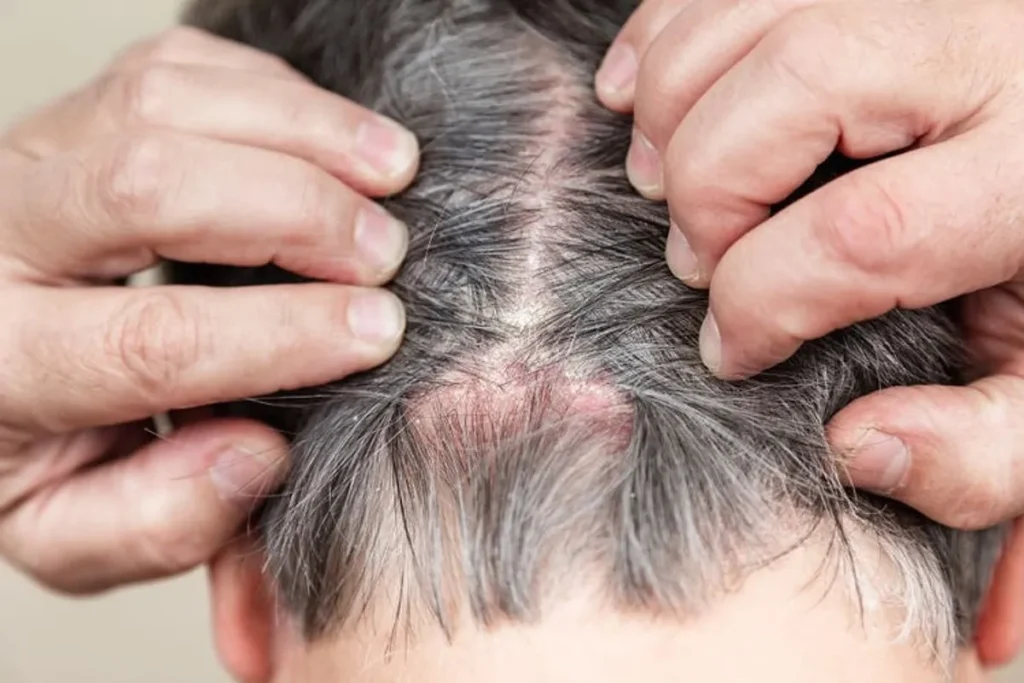
Crusty scalp conditions, like dandruff and scalp psoriasis, are more than just skin issues. They can signal deeper health problems. These issues bother millions worldwide, causing discomfort, shame, and sometimes pain.
Prevalence and Basic Characteristics
Dandruff and scalp psoriasis are common scalp problems. Dandruff affects about half of the world’s population, no matter their age, gender, or race. It shows as flakes of dead skin on the scalp, often with itchiness and redness.
Scalp psoriasis, found in about 50% of psoriasis sufferers, shows as red, raised plaques with silvery scales. It can be itchy and painful. A study in the Journal of Clinical and Aesthetic Dermatology found that “Psoriasis affects about 2-3% of the global population, with scalp involvement common.”
Medical Expert, Dermatologist
Why Accurate Identification Matters
Getting the right diagnosis for scalp conditions is vital. Wrong diagnoses can lead to bad treatments, making things worse. For example, using antifungal treatments for scalp psoriasis can make symptoms worse.
Proper diagnosis means a detailed scalp check, looking at medical history, and sometimes a biopsy. Knowing the cause helps pick the best treatment.
In summary, knowing about scalp conditions like dandruff and psoriasis is key to managing them. Recognizing their commonality, symptoms, and the need for accurate diagnosis helps find the right treatment. This can ease symptoms and improve quality of life.
Visual Differences: Color, Texture, and Appearance
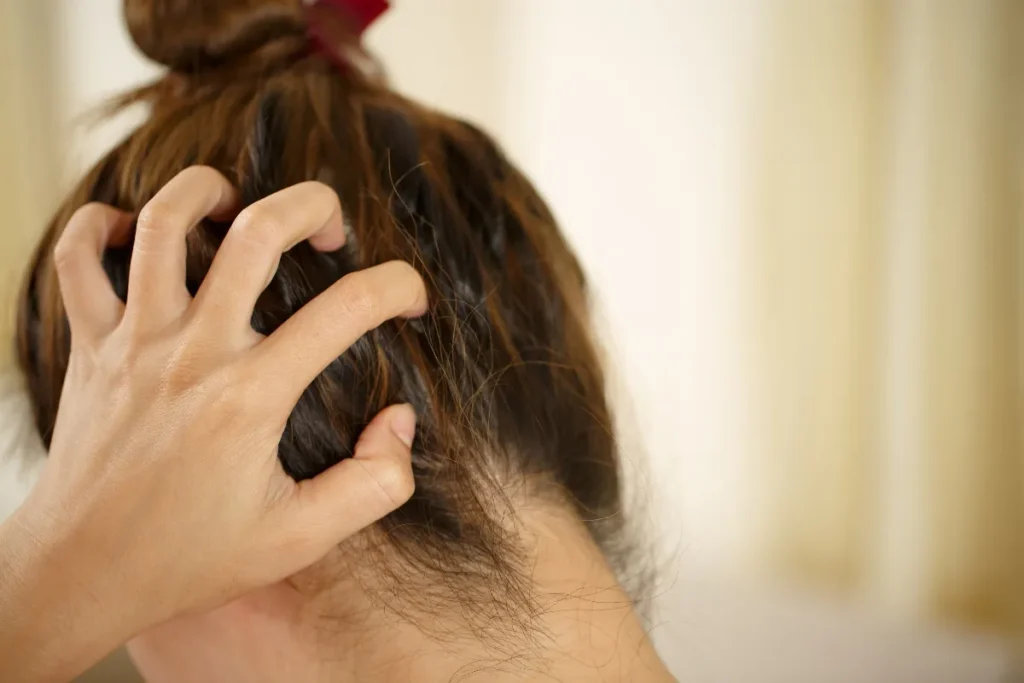
It’s important to know how to tell dandruff and scalp psoriasis apart. Their looks can help us figure out the right treatment. We can spot the difference by looking at their color, texture, and overall look.
Dandruff: Yellow or White Greasy Flakes
Dandruff shows up as small, white or yellow flakes that feel greasy. You can see these flakes on your scalp and even on dark clothes. Unlike dandruff, these flakes don’t stick to your scalp and fall off easily.
At times, dandruff flakes might come with mild redness or irritation. But this isn’t always true. These flakes usually come from the scalp’s natural shedding. This can get worse with dry air, harsh hair products, or sensitivity to certain ingredients.
Scalp Psoriasis: Red, Raised Plaques with Silvery Scales
Scalp psoriasis has thick, red, silvery scales that stick to the scalp. These plaques can itch and hurt, and might bleed if scratched. The silvery scales are a key sign of psoriasis, different from dandruff flakes.
Scalp psoriasis often has more redness and swelling than dandruff. In bad cases, the plaques can spread to other parts of the body. If your symptoms don’t get better or get worse, you should see a doctor.
Underlying Causes and Triggers
It’s important to know what causes dandruff and scalp psoriasis. Each condition has its own reasons for happening. These reasons affect how they show symptoms and how to treat them.
Dandruff: Malassezia Yeast and Oily Conditions
Dandruff comes from too much Malassezia yeast on the scalp. This yeast eats the scalp’s oils, breaking them down. This makes the scalp itch and flake.
Oily scalps make dandruff worse. They give Malassezia yeast the perfect place to grow.
Things that can lead to dandruff include:
Too much sebum
Being sensitive to hair products
Stress
Using shampoos with zinc pyrithione or ketoconazole can fight Malassezia yeast.
Psoriasis: Immune System Dysregulation and Rapid Cell Turnover
Scalp psoriasis is an autoimmune disease. It happens when the immune system attacks healthy skin cells. This makes skin cells grow fast and form scales.
Causes of scalp psoriasis include:
Genetics
Immune system problems
Stress and cold weather
Seasonal Changes and Stress Factors
Seasonal changes and stress can affect both dandruff and scalp psoriasis. Dry air in winter makes dandruff worse. Stress can make symptoms of both conditions worse.
Managing stress and keeping the scalp healthy can help. This can lessen the impact of these factors.
Common triggers for both conditions are:
Stress
Seasonal changes
Certain hair care products
Knowing what causes these conditions helps manage symptoms. It also improves scalp health.
Conclusion: Getting the Right Diagnosis and Treatment
Distinguishing between dandruff and scalp psoriasis is key for effective management. Knowing the differences helps individuals find the right diagnosis and treatment.
Dandruff shows up as yellow or white greasy flakes. Scalp psoriasis has red, raised plaques and silvery scales. Getting an accurate diagnosis is important to find out the cause.
Seeing a dermatologist is vital for persistent or severe scalp issues. They can guide on the best treatment, like medicated shampoos or creams. This helps alleviate symptoms and improve scalp health.
Whether it’s dandruff vs scalp psoriasis, or wondering which it is, a doctor can help. They can clarify the condition and create an effective treatment plan.
FAQ
What is the main difference between dandruff and scalp psoriasis?
Dandruff causes mild flaking with little inflammation, while scalp psoriasis produces thick, silvery scales with red, inflamed patches that may extend beyond the hairline.
Is dry scalp psoriasis or is it dandruff?
A dry scalp typically causes small, dry white flakes without redness, whereas psoriasis involves thicker plaques and noticeable inflammation.
What color is dandruff?
Dandruff flakes are usually white or slightly yellow and tend to be loose and smaller than psoriasis scales.
Is it psoriasis or dandruff?
If you have thick, well-defined plaques, redness, and persistent itching, it’s more likely psoriasis; mild flaking without inflammation is usually dandruff.
What’s the difference between psoriasis and dandruff?
Psoriasis is an autoimmune condition causing raised, scaly patches, while dandruff is often linked to yeast overgrowth and excess oil on the scalp.
Can stress trigger dandruff or scalp psoriasis?
Yes, stress can worsen both conditions by increasing inflammation and disrupting the scalp’s natural balance.
How do I know if I have scalp psoriasis or dandruff?
Persistent thick scales, redness, and plaques extending to the forehead or neck suggest psoriasis, while light flaking without significant irritation points to dandruff.
Are dandruff plaques the same as psoriasis plaques?
No, dandruff flakes are usually loose and fine, whereas psoriasis plaques are thicker, more adherent, and inflamed.
What is the difference between dandruff and scalp psoriasis?
Dandruff is a common scalp condition with mild flaking, while scalp psoriasis is a chronic inflammatory disorder with thick, scaly, red patches that may require medical treatment.
References
National Center for Biotechnology Information. Evidence-Based Medical Insight. Retrieved from https://pmc.ncbi.nlm.nih.gov/articles/PMC6180232/





