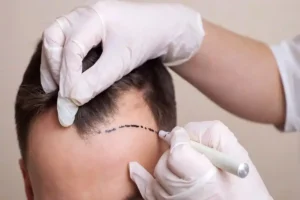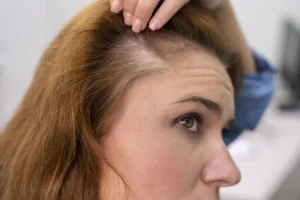
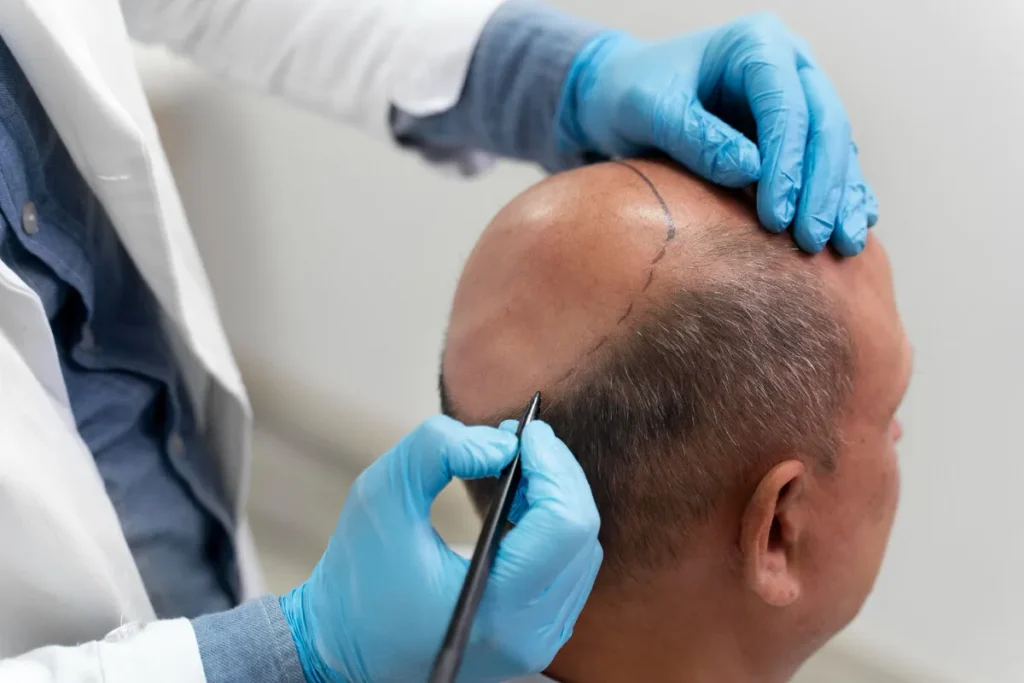
Hair flap surgery was once a key method for fixing scalp issues and hair loss. Now, it’s mostly used in the history of hair restoration, not as much today.
This surgery moves hair-bearing tissue to cover up hair loss. It uses rotational scalp flap to fix different scalp problems.
This guide will explain hair flap surgery in detail. You’ll learn about its history, types, and possible issues. It’s a deep dive into scalp reconstruction techniques.
Key Takeaways
Understanding the history and significance of hair flap surgery in hair restoration.
Overview of the surgical techniques involved, including rotational scalp flap.
Discussion on the evolution of hair restoration methods.
Insights into the possible complications and risks of hair flap surgery.
Guidance on what to expect from the procedure and the recovery process.
Understanding Hair Flap Surgery
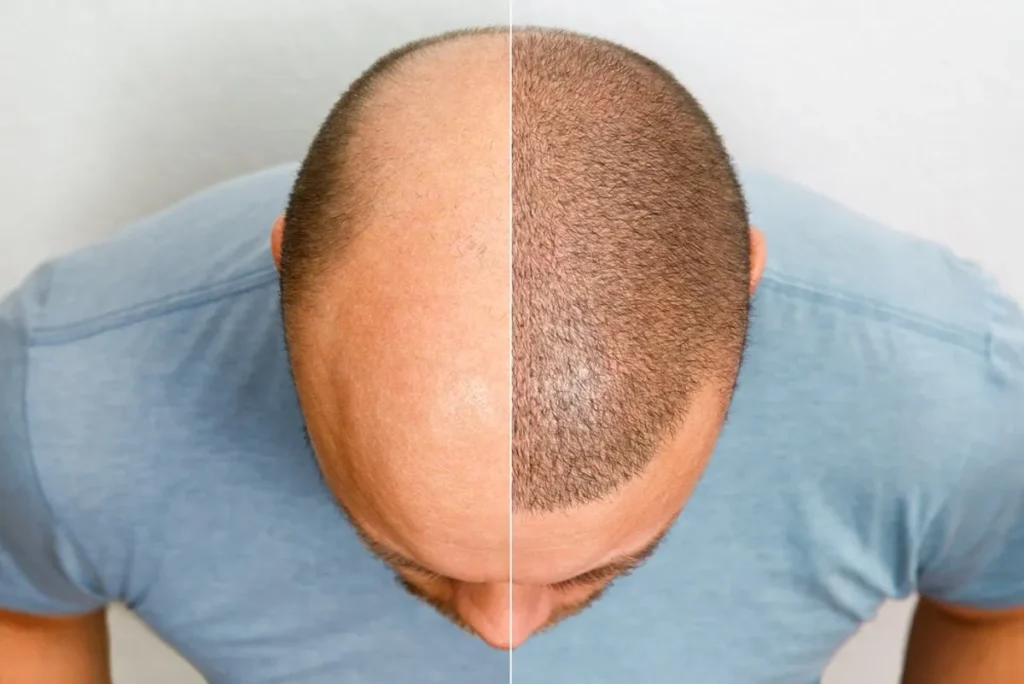
Hair flap surgery is a key hair restoration method. It moves a scalp section with hair follicles to bald spots. This helps those with significant hair loss.
What is Hair Flap Surgery?
Hair flap surgery, or scalp flap procedure, is a way to bring back hair to bald spots. It moves a scalp flap with healthy hair follicles to the needed area. This method has been around for decades and works well for some hair loss types.
Types of Scalp Flap Procedures
There are many scalp flap procedures, like the Juri Flap, Elliot Flap, and Fleming/Mayer Flap. Each has its own features and fits different hair loss patterns.
The Juri Flap rotates a scalp flap to cover bald spots. The Elliot Flap is more complex and covers larger bald areas. The Fleming/Mayer Flap is great for fixing the hairline, aiming for a natural look.
Benefits and Limitations
Hair flap surgery has big benefits, like restoring a lot of hair in one go. But, it also has downsides, like needing enough donor hair and the risk of problems.
In summary, hair flap surgery is a good choice for hair restoration, with many methods for different needs. Knowing the pros and cons of each is key to making a smart choice.
The Hair Flap Surgery Procedure
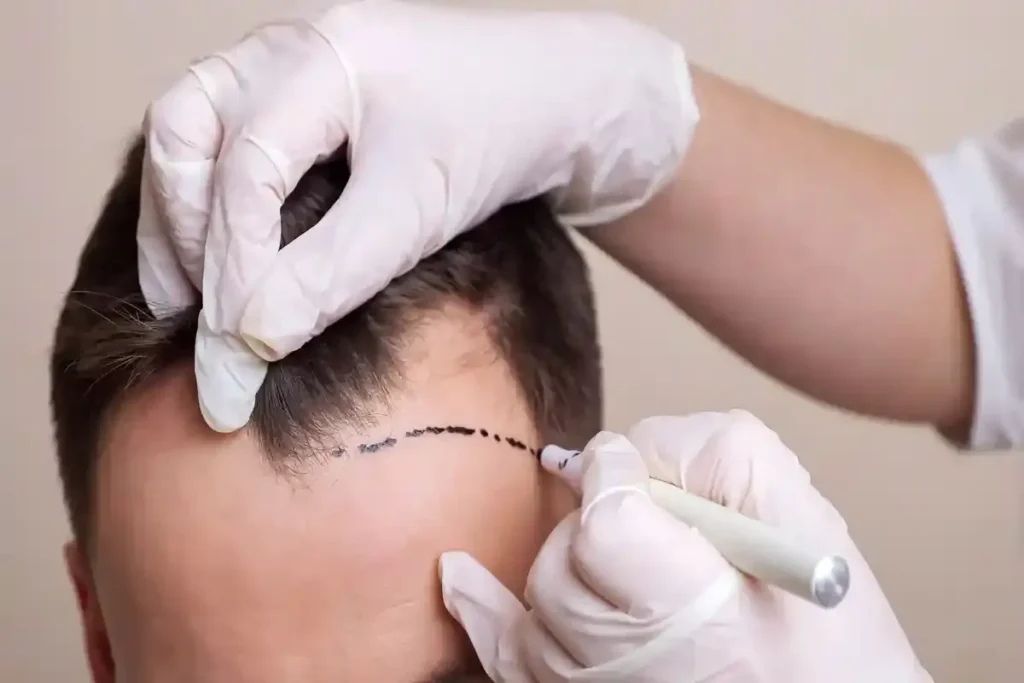
Understanding hair flap surgery is key for those considering it. This method moves hair-bearing scalp flaps to bald spots. It’s a way to tackle major hair loss.
Pre-Surgical Consultation and Planning
The first step is a detailed pre-surgery talk. The surgeon checks the hair loss, the donor hair, and scalp health. This talk is vital for planning the surgery.
Next, the patient and surgeon discuss what to expect. They plan the flap size, location, and transfer method. This ensures the surgery meets the patient’s needs.
The Multi-Stage Process
Before the main surgery, scalp expansion surgery might happen. It uses tissue expanders to stretch the scalp. This makes room for a bigger flap. The expansion time varies based on how much is needed.
The hair flap surgery itself has several steps. First, the flap is taken from the donor site. Then, it’s moved to the bald area. The surgery must be precise to ensure the flap survives and looks natural.
An advanced method is the rotational scalp flap. It rotates a flap of hair-bearing scalp into the bald area. This helps restore a natural hair growth pattern.
Recovery After Hair Flap Surgery
Recovering from hair flap surgery needs careful attention and following post-operative instructions. This process is key to getting the best results and avoiding problems.
Immediate Post-Operative Care
Right after surgery, it’s vital to follow the surgeon’s care instructions. This includes managing pain, keeping the area clean, and avoiding hard work.
Key aspects of immediate post-operative care include:
Resting well to help your body heal
Following the medication plan given by the surgeon
Avoiding heavy lifting, bending, or hard exercises
Long-Term Recovery Timeline
The recovery time for hair flap surgery varies. It usually takes weeks to months for the new hair to grow and for the scalp to heal fully.
Potential Complications and How to Avoid Them
Hair flap surgery is mostly safe, but there are risks like infection, necrosis, and scarring. Following the surgeon’s advice and going to follow-up visits can lower these risks.
To avoid complications, it’s important to:
Watch the surgical site for signs of infection or other problems
Go to all scheduled follow-up appointments
Tell the surgeon about any unusual symptoms right away
Conclusion
Hair flap surgery is no longer the top choice for hair restoration. Yet, it’s a key part of scalp reconstruction history. Knowing about it helps us see how hair restoration has changed over time.
This surgery moves a flap of hair-bearing scalp to bald spots. It’s a natural way to fight hair loss. Even though newer methods are preferred, learning about hair flap surgery can improve today’s hair restoration techniques.
Understanding hair flap surgery helps us appreciate today’s hair restoration advancements. It also makes talking to doctors about hair loss options easier. This knowledge is valuable for making informed decisions about hair care.
FAQ
What is the difference between a scalp flap and a hair flap?
A scalp flap involves moving a section of scalp with healthy hair and blood supply to a bald area, while a hair flap specifically transplants only the hair-bearing tissue, often as part of reconstructive or cosmetic procedures.
How long does it take to recover from hair flap surgery?
Recovery typically takes 2–4 weeks for initial healing, with full results and hair growth visible over several months.
Are there any risks or complications associated with hair flap surgery?
Yes, potential risks include infection, scarring, flap necrosis, unnatural hair direction, and temporary swelling or bruising.
Can hair flap surgery be combined with other hair restoration techniques?
Yes, it can be combined with FUE or FUT hair transplants, PRP therapy, or laser treatments to enhance density and coverage.
How is the success of hair flap surgery measured?
Success is measured by flap survival, natural hair direction, hair density, and patient satisfaction with aesthetic results.
What are the benefits of rotational scalp flap surgery?
Rotational scalp flaps provide immediate coverage of bald areas, preserve blood supply, and can achieve natural-looking hair direction.
Is hair flap surgery suitable for everyone experiencing hair loss?
No, it is generally recommended for patients with stable hair loss and sufficient donor scalp tissue, and may not suit those with diffuse thinning or poor scalp elasticity.
What is involved in the pre-surgical consultation for hair flap surgery?
The consultation includes scalp examination, medical history review, discussion of expectations, flap design planning, and explanation of risks and post-operative care.
References
National Center for Biotechnology Information. Evidence-Based Medical Insight. Retrieved from https://pubmed.ncbi.nlm.nih.gov/12196747/