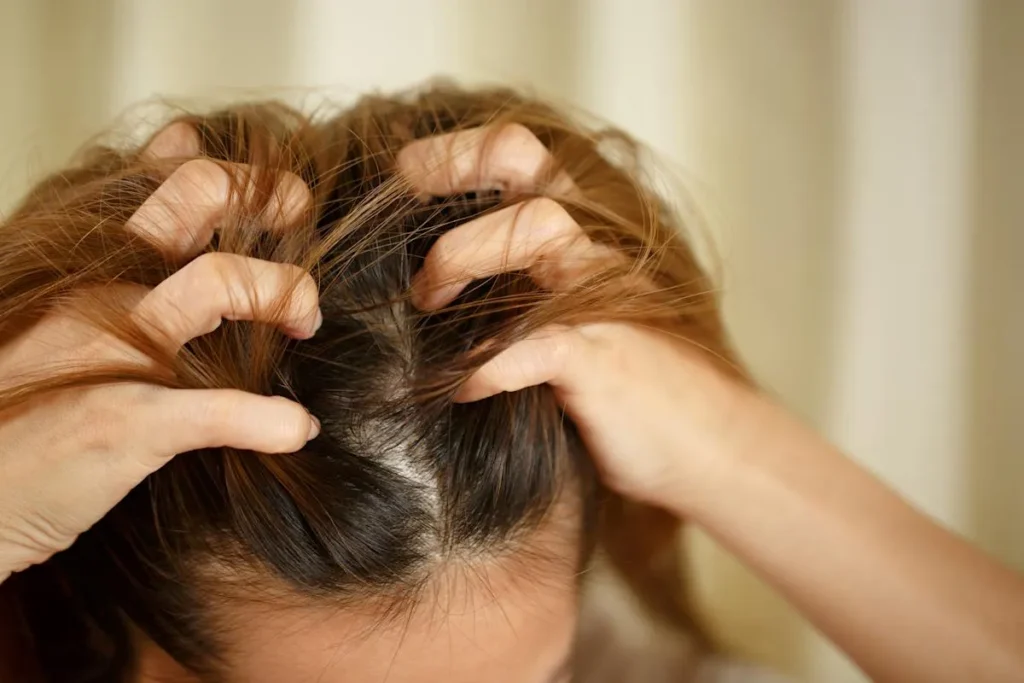
Many people struggle with an itchy scalp when they sweat. This problem affects millions and can be quite bothersome. Sweat-triggered scalp itching can be anything from a minor annoyance to a major discomfort.
Why does my head itch when i sweat? Discover the amazing win and powerful, incredible cures to end scary scalp irritation and feel fresh.
When your scalp sweats too much, it can itch, cause dandruff, smell bad, and even lead to hair loss. It’s important to take good care of your scalp to avoid long-term problems. Knowing why your scalp itches is the first step to fixing it.
Key Takeaways
Identify the root cause of scalp itching to provide effective treatment.
Proper scalp care is essential to prevent long-term damage.
Excessive sweat can lead to itching, dandruff, and hair fall.
Understanding the causes of scalp itching is key to finding a solution.
Personalized treatment solutions can help alleviate scalp itching.
Why Does My Head Itch When I Sweat?
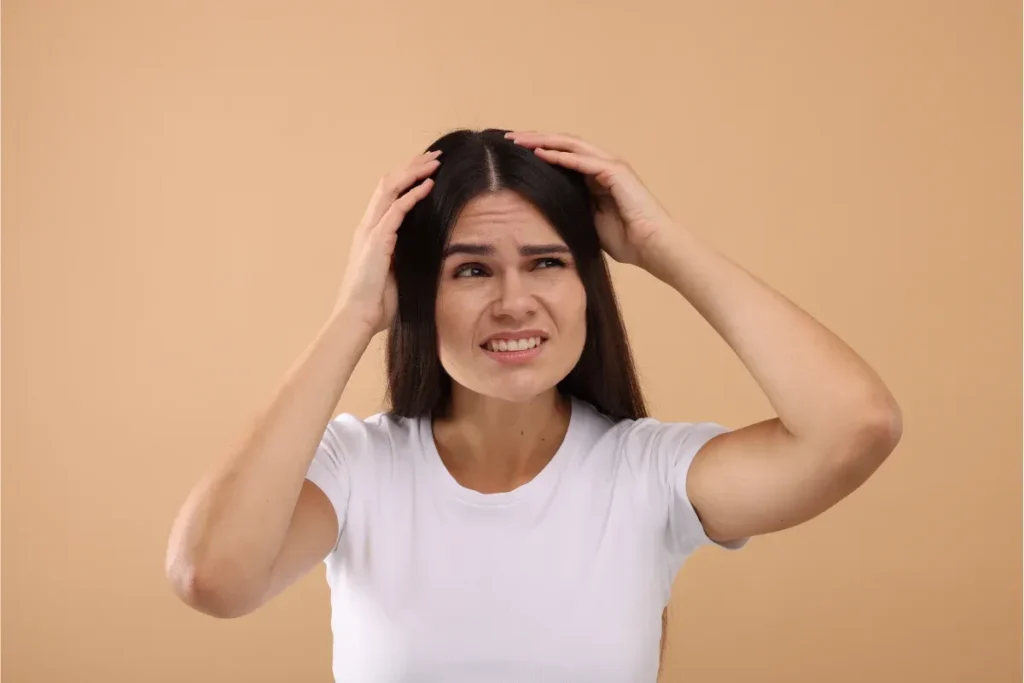
Sweat on the scalp can start a chain of reactions, causing itchiness and discomfort. It’s not just the sweat itself. It’s how it affects the scalp’s natural environment.
The Science Behind Sweat and Scalp Irritation
Sweat, natural oils, and dirt on the scalp can clog pores and irritate. This mix is perfect for bacteria and fungi to grow, making itchiness worse.
Key factors contributing to scalp irritation include:
Clogged pores from sweat, oil, and dirt
Bacterial and fungal growth in the warm, moist scalp
Irritation and inflammation from the body’s reaction to these microorganisms
How Humidity and Temperature Affect Scalp Health
Humidity and temperature greatly impact scalp health. High humidity and warm temperatures increase sweat, making the scalp more likely to get irritated.
These factors can lead to:
More sweat production
More bacterial and fungal growth
A higher risk of scalp problems like folliculitis and heat rash
Knowing these factors helps manage and prevent an itchy scalp when sweating.
Common Scalp Conditions Triggered by Sweating
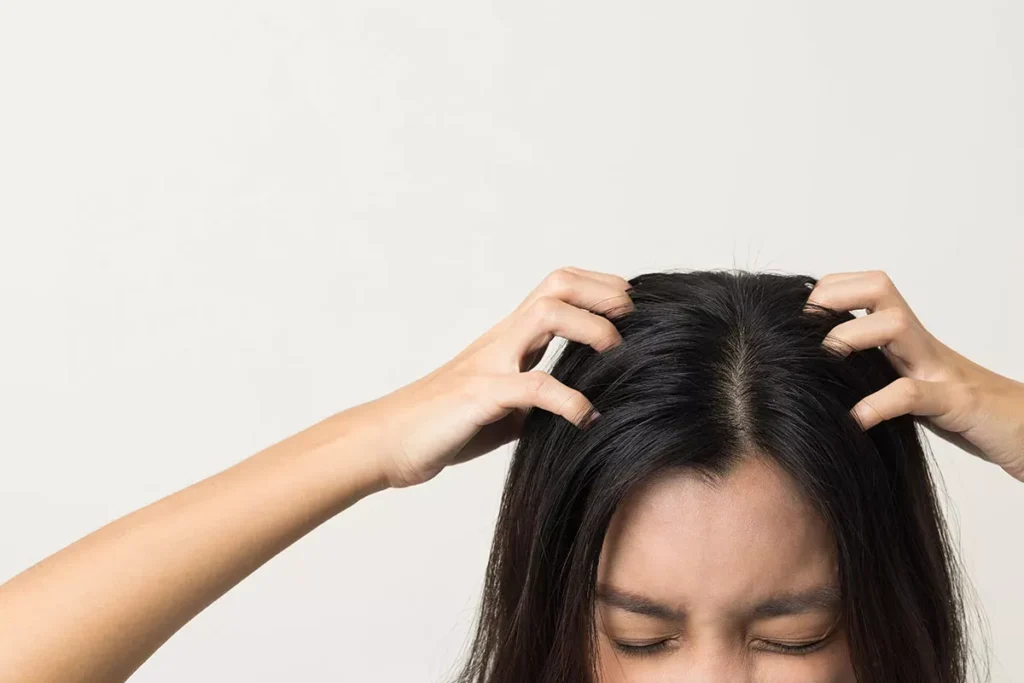
Sweating and scalp health are closely linked. Excessive moisture can lead to several scalp irritations and conditions. These conditions thrive in sweaty environments.
Folliculitis and Heat Rash Symptoms
Folliculitis is an inflammatory condition affecting the hair follicles. It’s often caused by bacterial or fungal infections that love sweaty places. Symptoms include:
Red bumps or pustules on the scalp
Itchiness or tenderness around the affected follicles
Increased sensitivity when touched
Heat rash, or prickly heat, happens when sweat ducts are blocked. This causes irritation. It shows up as:
Small, itchy blisters or red bumps
A prickly or itchy sensation, mainly in hot, humid weather
Itchy Scalp Without Dandruff: Possible Causes
An itchy scalp without dandruff can be confusing. Possible causes include:
Seborrheic dermatitis: A condition causing scaly patches, redness, and itchiness due to sensitivity to certain ingredients or product buildup.
Contact dermatitis: Irritation or allergic reactions to hair care products, dyes, or other substances coming into contact with the scalp.
Psoriasis: An autoimmune condition that can cause scaly, itchy patches on the scalp.
Special Considerations for Bald Heads
Bald heads are more prone to itching. This is because they are directly exposed to sweat, sun, and environmental irritants. The lack of hair makes the scalp more vulnerable to conditions like:
Actinic keratosis, a result of prolonged sun exposure
Increased risk of sunburn, which can lead to discomfort and itchiness
To reduce these risks, bald individuals should use sunscreen, hats, or scalp care products made for bald heads.
Effective Treatments for Itchy Scalp When Sweating
To treat an itchy scalp from sweating, you need both quick fixes and long-term care. It’s important to tackle the symptoms and the root causes to stop more irritation.
Immediate Relief Strategies
For quick relief, try rinsing your scalp with cool water. This can help lower the temperature and ease the itch. Using a mild, sulfate-free shampoo can also reduce irritation. Tea tree oil and aloe vera are great for soothing the scalp and can be found in many scalp care products or used on their own.
Regular scalp care is key to managing itchiness. This includes:
Gently massaging the scalp to increase blood flow
Avoiding harsh chemical treatments
Keeping the scalp clean and dry
Anti-Itch Scalp Products and Medications
There are many products and medications to treat itchy scalps. Anti-dandruff shampoos with zinc pyrithione or ketoconazole work well. For more serious cases, a dermatologist might prescribe medicated shampoos or creams.
Preventing Hair Loss from Chronic Scalp Itching
Chronic itching can cause hair loss if not managed. To prevent this, use gentle hair care products and avoid too much heat styling. Keeping your scalp healthy is also important. Regular visits to a dermatologist can help catch problems early.
By using quick fixes and long-term care, and choosing the right products, you can manage an itchy scalp from sweating. This helps prevent hair loss too.
Conclusion
It’s important to know why an itchy scalp happens when we sweat. Sweat can cause scalp problems like folliculitis and heat rash. These issues can be painful and might even cause hair loss if not treated right.
To manage an itchy scalp, we need to use products and medicines that help. We also need to take steps to reduce sweat and irritation. Keeping our scalp clean is key to avoiding damage from sweat.
Dealing with an itchy scalp and sweating needs a careful plan. By learning about sweat and scalp irritation, we can find ways to feel better. This helps us avoid more problems and find relief.
Fixing an itchy scalp means using the right treatments and keeping our scalp clean. With the right knowledge and actions, we can handle itchy scalp problems. This helps us keep our scalp healthy.
FAQ
Why does my scalp itch when I sweat?
Your scalp may itch when you sweat because sweat mixes with oil, dirt, and bacteria, which can irritate the skin. As sweat evaporates, it can also leave behind salt that dries and irritates the scalp.
What are the common scalp conditions triggered by sweating?
Sweating can worsen conditions like dandruff, seborrheic dermatitis, fungal infections, and heat rash. Excess moisture creates an environment where yeast and bacteria can grow more easily.
How can I treat an itchy scalp caused by sweating?
Wash your scalp regularly with a gentle or medicated shampoo to remove sweat buildup and reduce irritation. Keeping the scalp clean and dry after workouts can also help prevent itching.
Can sweating lead to hair loss?
Sweating itself does not directly cause hair loss, but chronic scalp irritation or infections triggered by excess sweat may contribute to temporary shedding. Proper scalp hygiene helps reduce this risk.
Are there specific products for itchy scalp when sweating?
Yes, anti-dandruff shampoos with ingredients like ketoconazole, zinc pyrithione, or salicylic acid can help control itch and buildup. Lightweight, non-greasy scalp treatments can also soothe irritation.
How can I prevent itchy scalp when sweating?
Shower soon after sweating, dry your scalp thoroughly, and avoid leaving sweaty hats or helmets on for long periods. Using breathable fabrics and keeping hair clean can also reduce irritation.
Is itchy scalp when sweating a sign of a serious condition?
In most cases, it is not serious and is linked to irritation or mild scalp conditions. However, persistent itching with redness, sores, or significant hair loss should be evaluated by a healthcare professional.
Can humidity and temperature affect scalp health?
Yes, high humidity and heat increase sweating and oil production, which can aggravate dandruff and irritation. Cold, dry weather can also cause scalp dryness and itching.
What lifestyle changes can help manage itchy scalp when sweating?
Maintaining good scalp hygiene, reducing stress, eating a balanced diet, and staying hydrated can improve overall scalp health. Avoiding heavy hair products and washing after intense sweating can also help control symptoms.
References
National Center for Biotechnology Information. Evidence-Based Medical Insight. Retrieved from https://pmc.ncbi.nlm.nih.gov/articles/PMC4908440/[1