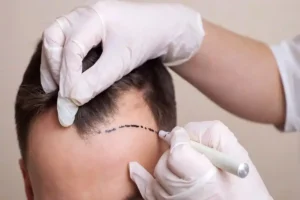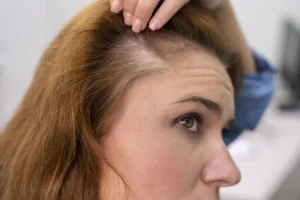
Many patients notice hair falling out after surgery and wonder whether the procedure or the anesthesia is to blame. While the experience can be unsettling, it is often a temporary response to physiological stress rather than a sign of permanent damage. In this article we explore the underlying mechanisms, differentiate normal shedding from concerning loss, and provide practical steps to support hair regrowth. According to a recent study, up to 30% of individuals report noticeable hair shedding within weeks of major surgery, highlighting the importance of awareness and proper care.
Whether you are recovering from a routine operation or a more extensive procedure, understanding the factors that influence post‑surgical hair health can help you manage expectations and take proactive measures. We will address common questions such as “does anesthesia cause hair loss?” and “how long does hair fall out after surgery?” while offering evidence‑based recommendations.
Read on to learn how stress, medication, and shock loss interact, and discover how Gold City Hair’s expertise can guide you toward a full and confident recovery.
What Triggers Hair Loss After Surgery?
Hair shedding after an operation is typically linked to three main triggers: physiological stress, anesthesia effects, and a phenomenon known as “shock hair loss.”
- Physiological stress – The body’s response to trauma releases cortisol and other stress hormones, which can push hair follicles into a resting phase (telogen) leading to increased shedding.
- Anesthesia – Certain agents, especially general anesthetics, may temporarily affect the microcirculation of the scalp, contributing to hair thinning.
- Shock hair loss – Also called “telogen effluvium,” this occurs when a sudden event (like surgery) disrupts the normal hair growth cycle.
Other contributing factors include nutritional deficiencies, medication side effects, and postoperative infections. Below is a quick comparison of these triggers.
| Trigger | Typical Onset | Duration | Recovery Expectation |
|---|---|---|---|
| Physiological Stress | 1–2 weeks post‑op | 2–4 months | Hair regrows naturally |
| Anesthesia Effects | Within days | 1–3 months | Usually resolves as circulation normalizes |
| Shock Hair Loss | 3–6 weeks | 3–6 months | Full regrowth in most cases |
Understanding these mechanisms clarifies why many patients experience hair falling out after surgery and reassures them that the condition is often reversible.

Does Anesthesia Cause Hair Loss?
One of the most frequent questions is whether anesthesia directly leads to hair loss. While the answer is nuanced, research indicates that certain anesthetic agents can influence hair follicle activity, especially when combined with surgical stress.
Key points to consider:
- General anesthesia – Agents like propofol and inhalational gases may cause temporary vasoconstriction, reducing blood flow to the scalp. This can exacerbate telogen entry, but the effect is usually short‑lived.
- Regional anesthesia – Techniques such as spinal or epidural blocks have minimal impact on scalp circulation, making them less likely to trigger hair shedding.
- Medication interactions – Some postoperative painkillers (e.g., non‑steroidal anti‑inflammatory drugs) can affect hair growth hormones when used long‑term.
Studies on “does anesthesia cause hair loss” show mixed results, yet the consensus is that anesthesia alone rarely causes permanent hair loss. Instead, it acts as a catalyst when other stressors are present.
Patients often wonder, “will anesthesia cause hair thinning?” The realistic expectation is a temporary increase in shedding, with regrowth occurring once the body stabilizes. Maintaining a balanced diet rich in vitamins B, C, D, and iron can support faster recovery.
How to Distinguish Normal Shedding from Concerning Hair Loss
Not every strand that falls out after an operation signals a serious problem. Distinguishing normal telogen shedding from a more serious condition helps you decide when to intervene.
Typical signs of normal post‑surgical shedding include:
- Hair loss occurring 2–8 weeks after surgery.
- Even distribution across the scalp rather than localized patches.
- No accompanying scalp inflammation, itching, or pain.
Conversely, warning signs that merit professional evaluation are:
- Rapid, patchy loss resembling alopecia areata.
- Persistent shedding beyond six months.
- Associated symptoms such as scalp redness, crusting, or systemic illness.
Below is a quick guide to help you track the timeline and severity of shedding.
| Timeline | Typical Shedding | Red Flags |
|---|---|---|
| 0–2 weeks | Minimal, normal | Excessive redness or infection |
| 2–8 weeks | Increased shedding (telogen) | Patchy bald spots |
| 2–6 months | Gradual regrowth | No regrowth, worsening loss |
Monitoring these patterns empowers you to act promptly if the hair loss persists, ensuring timely intervention.
Practical Steps to Manage Hair Loss After Surgery
While you wait for natural regrowth, several evidence‑based strategies can reduce the severity of shedding and promote healthier hair.
Nutrition and Supplements
Ensuring adequate intake of hair‑supporting nutrients is crucial. Focus on:
- Protein – essential for keratin production.
- Biotin (Vitamin B7) – supports follicle strength.
- Iron and Zinc – improve scalp circulation.
- Omega‑3 fatty acids – reduce inflammation.
Consult a healthcare professional before starting any supplement regimen, especially if you are recovering from surgery.
Scalp Care Routine
Gentle scalp hygiene helps maintain a healthy environment:
- Use a mild, sulfate‑free shampoo.
- Massage the scalp for 2–3 minutes daily to stimulate blood flow.
- Avoid tight headwear that can cause traction.
Topical treatments such as minoxidil can be considered after your surgeon clears you, as they may accelerate the transition from telogen to anagen (growth) phase.
Medical Interventions
In cases where shedding is extensive, physicians may prescribe short courses of low‑dose corticosteroids or platelet‑rich plasma (PRP) therapy to reduce inflammation and encourage follicular activity.
All these measures aim to shorten the period of hair falling out after surgery and support a smoother return to a full head of hair.
Hair Restoration Options After Post‑Surgical Loss
If shedding persists beyond six months or the regrowth is insufficient, hair restoration procedures can provide a lasting solution. Gold City Hair specializes in advanced techniques that are safe for patients who have recently undergone surgery.
Key options include:
- Follicular Unit Extraction (FUE) – Individual follicles are harvested from a donor area and transplanted to the thinning zones. This method leaves minimal scarring and offers natural‑looking results.
- Direct Hair Implantation (DHI) – Similar to FUE but uses a specialized implanter pen for precise placement, reducing handling time and improving graft survival.
- Eyebrow and Beard Transplants – For patients who experience localized loss, these targeted procedures can restore facial hair aesthetics.
Before any transplant, a thorough evaluation ensures that the scalp has fully recovered from the prior surgery and that any underlying conditions (e.g., hormonal imbalances) are addressed.
Our team conducts a detailed assessment, including blood work and scalp imaging, to create a personalized treatment plan. By aligning the timing of the transplant with the body’s healing cycle, we maximize graft uptake and minimize the risk of further shedding.
When to Seek Professional Help
Most post‑operative hair shedding resolves without intervention, but certain scenarios warrant a prompt consultation:
- Shedding continues beyond six months with no visible regrowth.
- Hair loss is patchy or associated with scalp pain, itching, or discharge.
- Underlying health conditions (e.g., thyroid disorders) have not been ruled out.
- You are considering a hair restoration procedure and need a specialist assessment.
Early evaluation allows clinicians to differentiate between temporary telogen effluvium and more permanent conditions such as scarring alopecia. At Gold City Hair, our experienced physicians combine medical expertise with cutting‑edge transplant technologies to address both the cause and the cosmetic outcome.
Remember, the phrase hair falling out after surgery is often a sign of the body’s natural response to stress. With proper care and professional guidance, you can expect a full recovery and a renewed sense of confidence.
Why Choose Gold City Hair
Gold City Hair has been delivering personalized hair restoration solutions in Turkey since 2017. Our team combines decades of surgical experience with the latest FUE, DHI, and eyebrow/beard transplant techniques. We prioritize transparent communication, ensuring every patient understands the process, expected outcomes, and post‑procedure care. With a focus on natural results and patient confidence, Gold City Hair is a trusted partner for anyone seeking to overcome hair loss challenges.
Ready to restore your hair and confidence? Contact Gold City Hair today for a personalized evaluation and discover the most effective solutions for post‑surgical hair loss.
Take the first step toward a fuller, healthier scalp—schedule your consultation now.
FAQ
Why does hair fall out after surgery?
Surgery triggers physiological stress, anesthesia effects, and shock hair loss, all of which can push follicles into the resting (telogen) phase, causing temporary shedding.
Can anesthesia cause hair loss?
Certain anesthetic agents can temporarily affect scalp circulation, which may increase shedding, but anesthesia alone rarely causes permanent hair loss.
How long does post‑surgical hair shedding usually last?
Typical shedding begins 1–2 weeks after surgery and can continue for 2–6 months, with most people seeing regrowth within that period.
What are the signs of normal hair shedding versus concerning loss?
Normal shedding is diffuse, occurs 2–8 weeks after surgery, and lacks scalp irritation; concerning loss is patchy, persistent, and may include pain or inflammation.
What nutritional supplements help with hair regrowth after surgery?
Protein, biotin (vitamin B7), iron, zinc, and omega‑3 fatty acids are the most supportive nutrients for post‑surgical hair regrowth.
When should I consider a hair transplant after post‑surgical hair loss?
If shedding persists beyond six months with insufficient regrowth, and the scalp has fully healed, a hair transplant can be evaluated.