Many people wonder does depression cause hair loss and if the two are directly linked. The answer is nuanced: depression can create a cascade of hormonal and physiological changes that often result in noticeable thinning or shedding. Understanding this relationship matters because hair health is closely tied to self‑esteem, and recognizing the root cause can guide effective treatment.
According to dermatological research, up to 30% of individuals experiencing severe mood disorders report some form of hair shedding within weeks of a depressive episode. This statistic highlights how mental health can manifest physically, especially on the scalp.
In this article we will explore the biological mechanisms behind stress‑related hair loss, identify the most common patterns such as telogen effluvium, discuss other hair‑loss types linked to mood disorders, and provide practical steps to protect your hair while managing depression. By the end, you’ll have a clearer picture of whether does depression cause hair loss for you and what actions can help restore confidence.
How Depression Affects the Body and Hair Growth
Depression is more than a feeling of sadness; it triggers a complex response in the endocrine and immune systems. Elevated cortisol, the primary stress hormone, can disrupt the normal hair‑growth cycle. When cortisol levels remain high, hair follicles may prematurely enter the resting (telogen) phase, leading to increased shedding.
Other physiological changes associated with depression include:
- Reduced blood flow to the scalp, limiting essential nutrients.
- Altered levels of thyroid hormones, which are crucial for follicle health.
- Impaired immune regulation, increasing inflammation around hair follicles.
- Changes in neurotransmitter balance (serotonin, dopamine) that indirectly affect hair‑cycle signaling.
These factors combine to create an environment where hair follicles are more vulnerable. While not every person with depression will notice hair loss, the presence of the phrase does depression cause hair loss in many online queries reflects a common concern.
Understanding the underlying biology helps clinicians differentiate between temporary shedding and more persistent conditions that may require specialized care.
Telogen Effluvium: The Most Common Stress‑Related Hair Loss Pattern
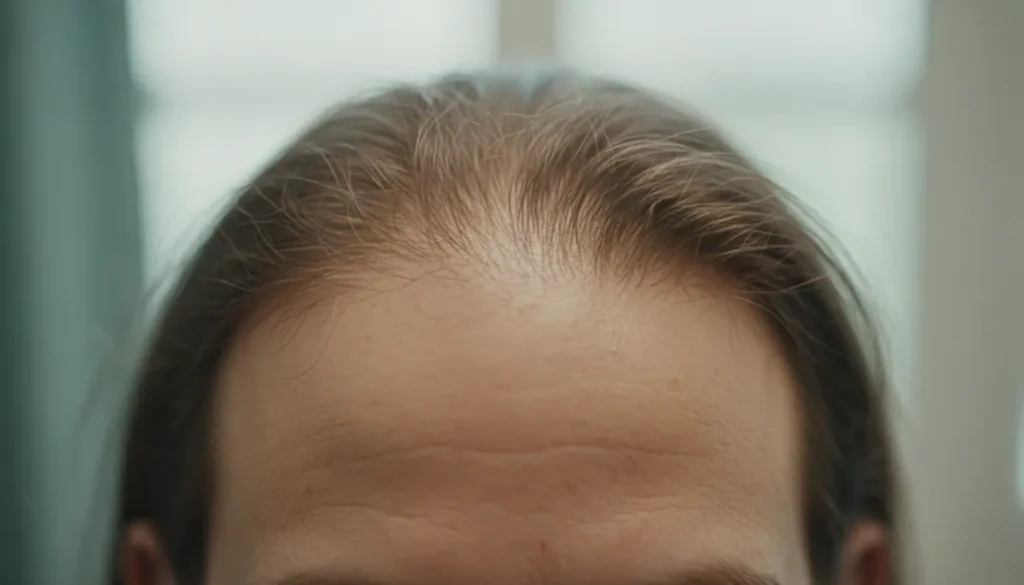
One of the primary ways in which the question does depression cause hair loss is answered is through the mechanism of telogen effluvium. This condition occurs when a larger-than‑normal number of hair follicles shift into the telogen (resting) phase simultaneously, resulting in diffuse shedding a few months after the triggering event.
Key characteristics of telogen effluvium include:
- Hair shedding that is most noticeable when washing or styling.
- Absence of bald patches; the loss is evenly distributed.
- Typically resolves within 6–12 months once the underlying stressor is managed.
Below is a comparison of a normal hair cycle versus the cycle during telogen effluvium:
| Phase | Normal Cycle | Telogen Effluvium |
|---|---|---|
| Anagen (Growth) | 85–90% of hairs, lasting 2‑6 years | Reduced proportion, often 60–70% |
| Catagen (Transition) | 1% of hairs, lasting 2‑3 weeks | Similar percentage, but timing may shift |
| Telogen (Resting) | 10–15% of hairs, lasting ~3 months | 30–40% of hairs, leading to noticeable shedding |
| Exogen (Shedding) | Normal daily loss of 50‑100 hairs | Increased loss of 200‑300 hairs per day |
Triggers for telogen effluvium extend beyond emotional stress. Illness, surgery, rapid weight loss, and certain medications can also precipitate the condition. However, chronic depressive episodes are a frequent catalyst because they sustain high cortisol levels over weeks or months.
Addressing the root cause—whether through therapy, lifestyle changes, or medical intervention—often leads to regrowth without the need for surgical treatment.
Other Hair Loss Types Linked to Mood Disorders
While telogen effluvium is the most direct answer to does depression cause hair loss, other forms of alopecia can also be exacerbated by chronic stress and depressive states.
Alopecia Areata
Alopecia areata is an autoimmune condition where the immune system attacks hair follicles, causing sudden patchy hair loss. Stressful life events, including severe depression, have been identified as potential triggers that can initiate or worsen the condition.
Androgenic Alopecia (Pattern Baldness)
Androgenic alopecia is primarily driven by genetics and hormonal factors, but research suggests that chronic stress can accelerate the miniaturization of follicles, leading to earlier onset or faster progression.
Diffuse Alopecia
Diffuse thinning, often confused with telogen effluvium, can result from a combination of nutritional deficiencies, hormonal imbalances, and psychological stress. Distinguishing between these subtypes requires a thorough clinical evaluation.
Below is a quick reference table summarizing these conditions:
| Condition | Primary Cause | Stress/Depression Link | Typical Presentation |
|---|---|---|---|
| Telogen Effluvium | Acute systemic stress | Strong – cortisol‑induced follicle shift | Diffuse shedding, no bald patches |
| Alopecia Areata | Autoimmune attack | Moderate – stress can trigger episodes | Round patches of hair loss |
| Androgenic Alopecia | Genetics & DHT | Low – stress may accelerate progression | Patterned thinning (vertex, frontal) |
| Diffuse Alopecia | Multiple factors (nutrition, hormones) | Variable – stress often contributes | Uniform thinning across scalp |
Recognizing the specific pattern is essential because treatment strategies differ. For example, alopecia areata may respond to topical immunotherapy, whereas androgenic alopecia often requires medical or surgical restoration.
Managing Depression to Protect Your Hair
Addressing the mental health component is often the most effective way to halt stress‑related hair loss. Below are evidence‑based strategies that simultaneously support emotional well‑being and hair health.
- Professional Therapy: Cognitive‑behavioral therapy (CBT) and mindfulness‑based stress reduction have shown significant reductions in cortisol levels.
- Medication Review: Some antidepressants can themselves cause hair shedding. Consulting a psychiatrist to adjust dosage or switch to a hair‑friendly option can be crucial.
- Nutrition: A diet rich in omega‑3 fatty acids, iron, zinc, and biotin supports follicle resilience. Consider a multivitamin formulated for hair health.
- Regular Exercise: Physical activity lowers stress hormones and improves scalp blood circulation.
- Sleep Hygiene: Aim for 7‑9 hours of quality sleep to regulate hormonal balance.
Implementing these habits not only improves mood but also creates a more favorable environment for hair regrowth. If you find that shedding persists despite lifestyle changes, it may be time to explore clinical options.
Answering does depression cause hair loss therefore involves a two‑pronged approach: treat the underlying depressive episode and address the hair‑loss mechanism directly.
When to Seek Professional Hair Restoration Treatment
If hair shedding continues beyond six months, or if you notice permanent thinning rather than temporary shedding, consulting a hair restoration specialist is advisable. Clinics like Gold City Hair offer advanced techniques that can restore density and confidence.
Key indicators that professional treatment may be needed include:
- Persistent thinning despite stress‑management efforts.
- Visible bald patches or pattern baldness.
- Scalp inflammation or scarring.
- Desire for a long‑term, permanent solution.
Below is a brief overview of the most common surgical options available in Turkey:
| Technique | Method | Ideal Candidates | Recovery Time |
|---|---|---|---|
| FUE (Follicular Unit Extraction) | Individual follicles are harvested and implanted. | Patients with moderate to extensive thinning. | 7‑10 days for basic recovery. |
| DHI (Direct Hair Implantation) | Follicles are placed directly using a pen‑style device. | Those seeking higher graft survival rates. | 5‑7 days for basic recovery. |
| Eyebrow/Beard Transplant | Specialized graft placement for facial hair. | Patients with sparse eyebrows or beard. | 7‑10 days for basic recovery. |
Choosing the right method depends on your specific pattern of loss, donor hair availability, and personal goals. A thorough consultation will help determine whether a surgical approach or continued medical management is the best path forward.
Why Choose Gold City Hair for Your Hair Restoration Needs
Gold City Hair has been delivering personalized hair‑restoration solutions in Turkey since 2017. Our clinic combines the latest FUE and DHI technologies with a patient‑first approach, ensuring transparent communication at every step. Whether you are dealing with stress‑related shedding or long‑term pattern baldness, our experienced team creates a tailored plan that aligns with your health background and aesthetic goals.
We prioritize safety, natural‑looking results, and post‑procedure support, helping you regain confidence without compromising your overall well‑being.
Ready to take control of your hair health? Contact Gold City Hair today for a free, no‑obligation consultation and discover a personalized path to lasting confidence.
FAQ
Can depression cause hair loss?
Yes, depression can trigger hair loss through hormonal and physiological changes such as elevated cortisol.
What is telogen effluvium and how is it linked to depression?
Telogen effluvium is a stress‑induced shedding condition where many follicles enter the telogen phase at once.
How does cortisol affect hair growth?
Elevated cortisol disrupts the hair‑growth cycle, pushing follicles into the shedding phase.
Can antidepressants cause hair loss?
Some antidepressants have been reported to cause hair shedding as a side effect.
What lifestyle changes help prevent hair loss caused by depression?
Therapy, balanced nutrition, regular exercise, and good sleep hygiene can mitigate stress‑related shedding.
When should I see a hair restoration specialist for depression‑related hair loss?
If shedding persists beyond six months or you notice permanent thinning, professional evaluation is advised.