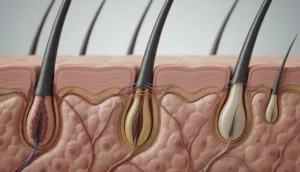
For many men and women, the prospect of a bald hair transplant offers a realistic path back to confidence and a complete scalp appearance. This article explains the science behind the procedure, who benefits most, what to expect during the journey, and how to choose the right clinic. With over 320 monthly searches for this solution, it’s clear that people worldwide are seeking effective hair loss treatment options that deliver lasting results.
Hair loss can begin as thinning patches and progress to total baldness, affecting self‑esteem and even professional interactions. Modern transplant techniques such as FUE and DHI have transformed what was once a risky surgery into a precise, minimally invasive art. In the following sections, we’ll explore each aspect of a bald hair transplant, from the science of follicular extraction to post‑procedure care, ensuring you have the knowledge to make an informed decision.
Whether you are considering a full scalp restoration or targeting specific bald spots, understanding the process helps you set realistic expectations and achieve the most natural outcome possible.
Understanding Bald Hair Transplant Techniques
Advancements in hair restoration have produced three primary methods for moving healthy follicles to balding areas: Follicular Unit Extraction (FUE), Direct Hair Implantation (DHI), and the traditional Follicular Unit Transplant (FUT). Each technique offers distinct advantages, and the choice often depends on the extent of baldness, donor hair quality, and personal preferences.
Follicular Unit Extraction (FUE)
FUE involves harvesting individual follicular units directly from the donor zone, typically the back of the scalp, using a micro‑punch tool. The extracted grafts are then implanted into pre‑made recipient sites. This method leaves minimal scarring and allows for a quicker recovery.
Direct Hair Implantation (DHI)
DHI is a refinement of FUE that uses a proprietary implanter pen, enabling simultaneous loading and implantation of grafts. This reduces handling time, potentially improving graft survival and providing higher precision in angle and direction.
Follicular Unit Transplant (FUT)
FUT, also known as the strip method, removes a thin strip of scalp from the donor area, which is then dissected into individual grafts. While it can yield a larger number of grafts in a single session, it leaves a linear scar that may be concealed by surrounding hair.
| Technique | Scarring | Graft Yield | Recovery Time |
|---|---|---|---|
| FUE | Minimal, dot‑like | Moderate | 7‑10 days |
| DHI | Minimal, dot‑like | Moderate | 5‑9 days |
| FUT | Linear scar | High | 10‑14 days |
Choosing the right method hinges on your specific baldness pattern, the amount of donor hair available, and your tolerance for postoperative scarring. In Turkey, clinics like Gold City Hair specialize in both FUE and DHI, offering customized plans that align with each patient’s goals.

Who Is a Good Candidate for a Bald Hair Transplant?
Not everyone experiencing hair loss is an ideal candidate for a full scalp transplant. Proper evaluation ensures optimal outcomes and minimizes the risk of unsatisfactory results. Below are the key factors that determine candidacy.
- Degree of Baldness: Individuals with extensive baldness, classified as Norwood‑5 or higher for men, or Ludwig‑3 for women, often benefit most from a comprehensive transplant.
- Donor Hair Quality: Sufficient healthy follicles in the donor area are essential. Those with diffuse thinning may require alternative hair loss treatment options.
- Age and Stability: While there is no strict age limit, candidates should have a stable pattern of hair loss for at least one to two years.
- Health Status: Good overall health, non‑smokers, and individuals without uncontrolled chronic conditions are preferred.
- Realistic Expectations: Understanding that results develop over months and may require future touch‑ups is crucial.
Patients who meet these criteria typically achieve natural density and long‑term durability. For those with limited donor hair or early‑stage thinning, a combination of hair growth products and medical therapies like finasteride may be recommended before considering a transplant.
The Procedure Journey: From Consultation to Recovery
A bald hair transplant is a multi‑stage process that begins long before the scalpel touches the skin. Understanding each phase helps you prepare mentally and physically for the experience.
Initial Consultation
The first meeting involves a detailed medical history, scalp analysis, and discussion of goals. High‑resolution photography and trichoscopy are used to map existing hair density and plan graft placement.
Pre‑Operative Preparation
Patients are advised to avoid certain medications, alcohol, and smoking for at least two weeks prior to surgery. A prescribed regimen of antimicrobial shampoo may be recommended to reduce scalp bacteria.
Surgical Day
Under local anesthesia, the surgeon extracts grafts using the chosen technique (FUE, DHI, or FUT). The recipient sites are meticulously created to mimic natural hair growth patterns, considering direction, angle, and density.
Post‑Operative Care
After the procedure, patients receive written instructions covering wound care, medication, and activity restrictions. Most individuals can return to light work within a week, while strenuous exercise should be avoided for two weeks.
- Day 1‑3: Gentle washing with prescribed shampoo.
- Day 4‑7: Avoid direct sun exposure; use a loose hat if needed.
- Week 2‑4: Begin light scalp massage to stimulate circulation.
- Month 2‑3: Expect shedding of transplanted hairs (normal).
- Month 4‑12: New hair growth becomes visible; follow up appointments monitor progress.
Adhering to post‑operative guidelines is essential for graft survival and optimal aesthetic results. Clinics in Turkey, including Gold City Hair, provide 24/7 support lines for any concerns during the recovery phase.
Expected Results and Long‑Term Maintenance
Patience is key when evaluating the success of a bald hair transplant. While the procedure relocates healthy follicles instantly, visible growth follows a predictable timeline.
| Time Post‑Transplant | What to Expect |
|---|---|
| Weeks 1‑2 | Scalp may appear slightly pink; grafts are anchoring. |
| Weeks 3‑4 | Shedding of transplanted hairs (normal shedding phase). |
| Months 3‑5 | Early new hair strands emerge, fine and soft. |
| Months 6‑12 | Significant thickening; natural density achieved. |
| 12+ months | Full maturation; results stabilize. |
Long‑term maintenance includes a healthy lifestyle, proper scalp hygiene, and, if needed, adjunctive hair growth supplements such as biotin or saw‑palmetto. Periodic touch‑up sessions may be recommended to address any residual thinning, especially for patients with progressive genetic baldness.
Patients who combine their transplant with proven hair loss treatment options—like finasteride for men or topical minoxidil for women—often experience enhanced graft survival and overall scalp health.
Cost Considerations and Choosing the Right Clinic
The financial aspect of a bald hair transplant varies widely based on technique, surgeon expertise, and geographic location. Turkey has emerged as a cost‑effective hub, offering world‑class care at a fraction of Western prices.
- Technique Pricing: FUE typically ranges from $2,000 to $4,000 per 1,000 grafts, while DHI may be slightly higher due to specialized equipment.
- Clinic Reputation: Accredited facilities with experienced surgeons, such as Gold City Hair, often provide bundled packages that include accommodation, medication, and post‑op follow‑up.
- Hidden Costs: Factor in travel, lodging, and potential ancillary treatments (e.g., PRP therapy) when budgeting.
- Value Over Price: A lower price should never compromise sterility, surgeon qualification, or after‑care support.
When evaluating clinics, ask for before‑and‑after photo galleries, surgeon credentials, and patient testimonials. Transparent communication, a hallmark of Gold City Hair, ensures you understand every step and cost component before committing.
Why Choose Gold City Hair
Gold City Hair has been delivering personalized hair restoration solutions in Turkey since 2017. Our team combines extensive experience in FUE and DHI with a commitment to transparent communication and patient‑centered care. We tailor each bald hair transplant to the individual’s anatomy, ensuring natural density and a seamless blend with existing hair. Trust a clinic that prioritizes safety, results, and your confidence.
Ready to transform your look with a professional bald hair transplant? Contact Gold City Hair today to schedule a free virtual consultation and discover a personalized plan that fits your goals and budget.
Take the first step toward lasting confidence—your new hair journey starts now.
FAQ
What is a bald hair transplant and how does it work?
A bald hair transplant moves healthy follicles from a donor area to balding zones to restore natural hair density.
What are the differences between FUE, DHI, and FUT techniques?
FUE extracts individual follicles with minimal scarring; DHI uses a pen for faster implantation; FUT removes a strip of scalp for higher graft yield but leaves a linear scar.
Am I a good candidate for a bald hair transplant?
Ideal candidates have stable, advanced hair loss, sufficient donor hair, good health, and realistic expectations.
What is the typical recovery timeline after a hair transplant?
Recovery spans 7‑14 days for initial healing, with full hair growth visible after 12‑18 months.
How much does a bald hair transplant cost in Turkey?
Prices range from $2,000‑$4,000 per 1,000 grafts for FUE, with DHI slightly higher, plus travel and accommodation costs.
How long does it take to see final results after a hair transplant?
Visible improvement starts at 3‑5 months, with final, stable results typically achieved after 12‑18 months.