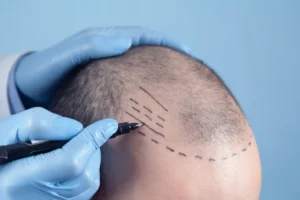
When it comes to combating thinning hair, a hair loss serum is often the first product people reach for. These topical solutions promise to stimulate growth, strengthen existing strands, and slow the progression of hair loss. In a market flooded with options, understanding how serums work, what ingredients to look for, and how to integrate them with other treatments can make the difference between disappointment and visible improvement.
According to recent dermatology surveys, nearly 40% of adults experiencing early signs of hair thinning turn to over‑the‑counter serums before seeking professional advice. While some users see measurable benefits within weeks, others report minimal change, highlighting the importance of choosing the right formula and setting realistic expectations.
This guide will walk you through the science behind hair loss serums, help you select a product that matches your specific needs, explore safe combinations with other hair‑restoration methods, and outline what results you can realistically expect. Whether you are a man dealing with pattern baldness or a woman noticing increased shedding, the information below will empower you to make an informed decision.
How Hair Loss Serums Work
Modern serums rely on a blend of active compounds designed to address the underlying causes of hair thinning. The primary goal is to reactivate dormant follicles, improve scalp health, and extend the growth phase of each hair strand.
Key Active Ingredients
- Minoxidil – a vasodilator that increases blood flow to the scalp, widely proven to promote regrowth in both men and women.
- Peptide complexes – such as copper peptides, which support follicle repair and collagen synthesis.
- Plant extracts – like saw palmetto, rosemary, and green tea, known for their anti‑androgenic and antioxidant properties.
- Growth factors – recombinant proteins that signal cells to enter the anagen (growth) phase.
- Vitamin and mineral blends – including biotin, niacin, and zinc, essential for healthy hair production.
These components work synergistically to create an environment where hair can grow stronger and faster. When selecting a serum, look for transparent labeling that lists the concentration of each active ingredient.
| Serum Type | Primary Ingredient | Typical Use | Key Benefit |
|---|---|---|---|
| Minoxidil‑Based | 5% Minoxidil | Twice daily | Proven follicle stimulation |
| Peptide‑Rich | Copper Peptide Complex | Once daily | Follicle repair & density |
| Natural Extract | Rosemary & Saw Palmetto | Morning & night | Gentle, anti‑androgenic |
Understanding these ingredients helps you differentiate between a true hair growth serum and a simple cosmetic conditioner marketed as a hair loss solution.

Choosing the Right Serum for Your Needs
Selecting a serum is not a one‑size‑fits‑all decision. Factors such as gender, hair loss pattern, scalp sensitivity, and lifestyle all influence which product will deliver the best results.
Men vs. Women
- Men often benefit from higher concentrations of minoxidil (5%) combined with anti‑androgenic extracts.
- Women may prefer lower concentrations (2%–3%) to reduce irritation, paired with peptide complexes that support overall scalp health.
Scalp Condition
If you have a dry or flaky scalp, look for serums that include soothing agents like aloe vera or hyaluronic acid. For oily scalps, lightweight, non‑comedogenic formulas are preferable.
Product Formulation
Consider whether you want a serum that can be used alone or one that complements other treatments such as hair growth shampoo or oral supplements. Many users report better outcomes when a serum is part of a broader regimen that includes a gentle shampoo and a balanced diet.
Below is a quick checklist to guide your purchase decision:
- Check the active ingredient concentration (e.g., 5% minoxidil).
- Verify the presence of supportive vitamins or peptides.
- Read user reviews for real‑world effectiveness.
- Confirm the product is free from harsh alcohols or fragrances that could irritate the scalp.
By aligning the serum’s profile with your specific hair loss situation, you increase the likelihood of achieving noticeable improvement.
Combining Serums with Other Hair Loss Treatments
While a high‑quality serum can be powerful on its own, many individuals achieve faster and more sustained results when they pair it with complementary therapies.
Integration with Minoxidil
Most serums already contain minoxidil, but some users apply an additional minoxidil solution for a dual‑action approach. Apply the minoxidil first, allow it to dry, then follow with the serum to lock in moisture and deliver extra nutrients.
Adjunctive Use with Hair Transplant Procedures
If you are planning a follicular unit extraction (FUE) or direct hair implantation (DHI) at Gold City Hair, a serum can support graft survival by improving scalp vascularity. Start the serum regimen a few weeks before the procedure and continue during the post‑operative healing phase.
Synergy with Oral Supplements
Vitamins such as biotin, iron, and omega‑3 fatty acids work from within to strengthen hair shafts. When combined with a topical serum, they address both internal and external factors of hair loss.
Here is a sample weekly schedule that blends a serum with other treatments:
| Day | Morning | Evening |
|---|---|---|
| Monday | Minoxidil 5% solution | Peptide serum |
| Tuesday | Vitamin supplement | Hair growth serum |
| Wednesday | Minoxidil 5% solution | Peptide serum |
| Thursday | Vitamin supplement | Hair growth serum |
| Friday | Minoxidil 5% solution | Peptide serum |
| Saturday | Rest day – gentle shampoo | Scalp massage only |
| Sunday | Vitamin supplement | Hair growth serum |
Always consult a dermatologist or your hair restoration specialist before combining products, especially if you have underlying scalp conditions.
Potential Side Effects and How to Manage Them
Even the most carefully formulated serum can cause mild reactions in some users. Understanding these possibilities helps you respond quickly and keep your regimen on track.
Common Concerns
- Scalp irritation or itching – often due to alcohol or fragrance in the formula.
- Temporary shedding – a sign that weak hairs are being replaced by new growth.
- Dryness or flaking – can occur if the serum lacks moisturizing agents.
Most side effects are manageable with simple adjustments. For irritation, switch to a serum with a lower alcohol content or add a soothing moisturizer after application. If shedding intensifies, continue using the product; it typically subsides within 4–6 weeks as new hairs emerge.
| Side Effect | Likely Cause | Management Strategy |
|---|---|---|
| Itching | Alcohol‑based carrier | Apply a gentle, fragrance‑free scalp lotion after serum |
| Temporary shedding | Follicle reset phase | Maintain consistent use; results improve after 2–3 months |
| Dryness | Lack of humectants | Incorporate a hyaluronic‑acid serum or hydrating shampoo |
If you experience severe redness, swelling, or persistent discomfort, discontinue use and seek professional medical advice. Remember, a serum is a supportive tool—not a substitute for medical treatment when needed.
Realistic Expectations and Results Timeline
Patience is essential when using a hair loss serum. Unlike surgical procedures that deliver immediate density, serums work gradually as follicles re‑enter the growth cycle.
Typical Progression
- Weeks 1‑4: Initial scalp adaptation; possible mild shedding.
- Weeks 5‑12: Early signs of new hair emergence; fine vellus hairs appear.
- Months 4‑6: Thickening of new strands; noticeable reduction in overall shedding.
- Months 7‑12: Continued density improvement; results stabilize.
Factors such as age, genetics, and consistency of use influence the speed of results. Most clinical studies show that at least 12 weeks of twice‑daily application are needed before measurable changes become visible.
To maximize outcomes, pair the serum with a healthy diet rich in proteins, stay hydrated, and avoid harsh styling practices that can exacerbate breakage. Tracking progress with photos taken under consistent lighting can help you stay motivated and assess real improvements over time.
While a serum can significantly improve hair thickness and reduce shedding, it does not replace a surgical transplant for advanced baldness. For those seeking permanent restoration, consider consulting a specialist at Gold City Hair to discuss FUE or DHI options.
Why Choose Gold City Hair
Gold City Hair has been delivering personalized hair restoration solutions since 2017. Our clinic combines state‑of‑the‑art techniques such as FUE, DHI, and eyebrow/beard transplants with transparent communication and a commitment to patient comfort. By choosing us, you benefit from a team of experienced surgeons, a supportive care pathway, and a proven track record of helping individuals regain confidence through natural‑looking results.
Ready to take the next step toward fuller, healthier hair? Contact Gold City Hair today to schedule a free consultation and discover how a tailored serum regimen, combined with our advanced transplant options, can transform your look.
FAQ
How do hair loss serums work to promote hair growth?
They deliver active compounds that reactivate dormant follicles, improve scalp health, and extend the growth phase of hair strands.
What are the key active ingredients to look for in a hair loss serum?
Minoxidil, copper peptide complexes, saw palmetto or rosemary extracts, growth factors, and vitamin/mineral blends.
How should I choose the right serum for men vs. women?
Men usually benefit from higher minoxidil concentrations (5%) and anti‑androgenic extracts; women often prefer lower concentrations (2‑3%) with soothing peptides.
Can I combine a hair loss serum with minoxidil or other treatments?
Yes, you can layer minoxidil and serum or pair serums with shampoos, oral supplements, and even post‑transplant care.
What side effects might I experience from using a hair loss serum and how can I manage them?
Common issues are scalp itching, temporary shedding, and dryness; manage with lower‑alcohol formulas, soothing moisturizers, and proper hydration.
How long does it take to see results from a hair loss serum?
Visible improvement typically appears between 4 and 12 months, with early signs in the first 12 weeks.