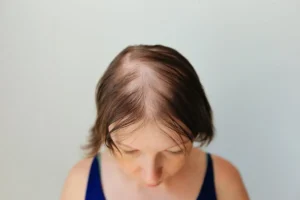
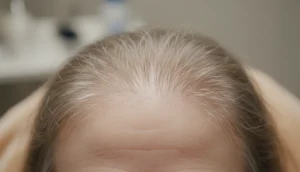
Experiencing hair loss at 16 can be unsettling, especially when peers are still growing a full head of hair. The primary question many teenagers ask is why is my hair falling out at 16. This article explores the medical, lifestyle, and environmental reasons behind early hair loss, highlights when professional help is needed, and outlines effective treatment pathways.
According to recent dermatology surveys, up to 15% of adolescents notice noticeable thinning or shedding before adulthood. While genetics play a significant role, factors such as stress, nutrition, and hair‑care habits often accelerate the process. Understanding the root cause is essential for selecting the right solution and preventing further loss.
In the sections that follow, we will break down the most common causes—including various forms of alopecia—and discuss practical steps you can take today. Whether you are dealing with a temporary shedding episode or the early signs of pattern baldness, this guide aims to empower you with knowledge and confidence.
Common Medical Causes of Hair Loss in Teens
Medical conditions are the leading drivers of hair loss for teenagers. Recognizing the specific type helps clinicians recommend targeted therapies.
Alopecia Areata
Alopecia areata is an autoimmune disorder where the immune system mistakenly attacks hair follicles, leading to sudden, round patches of hair loss. It can affect any age, but onset during adolescence is common. While the exact trigger remains unclear, stress and genetic predisposition are often implicated.
Androgenetic Alopecia
Often referred to as male or female pattern baldness, androgenetic alopecia is driven by genetic sensitivity to dihydrotestosterone (DHT). In males, the classic “M” shape receding hairline may appear as early as the mid‑teens. In females, diffuse thinning across the crown is typical.
Telogen Effluvium
Telogen effluvium occurs when a larger-than‑usual number of hairs enter the resting (telogen) phase simultaneously, resulting in shedding. Common triggers include high fever, rapid weight loss, or hormonal shifts during puberty.
- Sudden onset (weeks to months)
- Diffuse thinning rather than distinct patches
- Often reversible once the underlying cause is addressed

Lifestyle and Environmental Factors Contributing to Early Hair Loss
Beyond medical conditions, everyday habits can accelerate hair shedding. Understanding these influences allows teens to make simple adjustments that support scalp health.
Stress and Sleep Deprivation
Chronic stress elevates cortisol levels, which can push hair follicles into the telogen phase. Poor sleep further disrupts hormonal balance, compounding the problem.
Nutritional Deficiencies
Insufficient intake of iron, zinc, biotin, and protein can weaken hair shafts and slow growth. Teenagers with restrictive diets or eating disorders are particularly vulnerable.
Hair Styling Practices
Frequent tight hairstyles—such as braids, ponytails, or buns—create tension on the scalp, leading to traction alopecia. Over‑use of heat tools and harsh chemical treatments can also damage the cuticle and cause breakage.
| Factor | Impact on Hair | Simple Mitigation |
|---|---|---|
| High Stress | Triggers telogen effluvium | Mindfulness, regular exercise |
| Poor Nutrition | Weakens hair shaft | Balanced diet rich in iron & protein |
| Traction Styles | Causes traction alopecia | Looser hairstyles, limit heat |
When to Seek Professional Evaluation
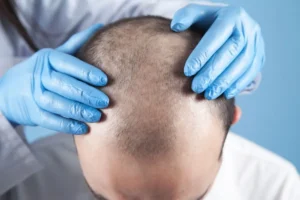
If hair loss persists beyond a few months, or if you notice rapid thinning, it’s time to consult a dermatologist or a hair‑restoration specialist. Early assessment improves the odds of successful intervention.
Red‑Flag Signs
- Sudden, extensive patchy loss
- Scalp inflammation, redness, or scaling
- Family history of early pattern baldness
Diagnostic Tools
Dermatologists may employ a scalp examination, trichoscopy, or a blood panel to rule out hormonal imbalances, thyroid issues, or nutritional deficiencies. In some cases, a scalp biopsy confirms the type of alopecia.
Role of Early Intervention
Addressing the cause at 16 can halt progression and, in many cases, stimulate regrowth. For instance, initiating topical minoxidil for androgenetic alopecia during adolescence yields better long‑term density compared to starting later in adulthood.
Treatment Options for Young Individuals
Therapeutic choices depend on the underlying cause, severity, and patient preference. Below are the most evidence‑based options suitable for teenagers.
Topical Minoxidil
Minoxidil 2% (for females) or 5% (for males) is FDA‑approved for pattern hair loss. Applied twice daily, it prolongs the anagen phase and improves follicle size. Consistency is key; results typically appear after 3–6 months.
Low‑Level Laser Therapy (LLLT)
LLLT devices emit red light that stimulates cellular activity in the follicle. Handheld caps or combs are safe for daily home use and have shown modest density improvements in clinical trials.
Platelet‑Rich Plasma (PRP)
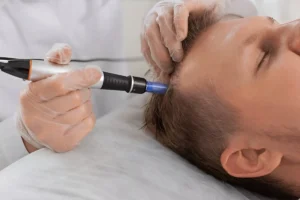
PRP involves injecting concentrated platelets from the patient’s own blood into the scalp to promote growth factors. While more common in adults, emerging studies suggest benefits for early‑stage androgenetic alopecia in adolescents.
Early Hair Transplant Considerations
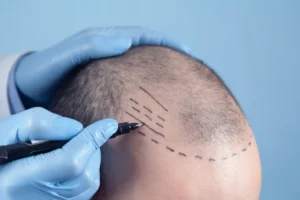
In select cases where pattern baldness is clearly progressing, a minimally invasive FUE (Follicular Unit Extraction) transplant can be performed. Gold City Hair emphasizes personalized planning to ensure donor area preservation for future needs.
- Minoxidil – daily topical solution
- LLLT – non‑invasive light therapy
- PRP – autologous growth factor injection
- FUE transplant – surgical restoration when appropriate
Maintaining Healthy Hair Long‑Term
Regardless of the treatment chosen, sustainable hair health relies on daily habits that nurture the scalp and follicles.
Scalp Care Routine
Gentle cleansing with a sulfate‑free shampoo keeps the scalp free of excess sebum without stripping natural oils. Periodic scalp massage increases microcirculation, supporting nutrient delivery.
Nutrition for Hair Strength
Incorporate foods rich in omega‑3 fatty acids (salmon, walnuts), lean protein (chicken, legumes), and vitamins A, C, D, and E. Supplements such as biotin or iron should only be taken after a blood test confirms a deficiency.
Lifestyle Practices
- Manage stress through yoga, sports, or hobbies
- Avoid tight hairstyles and limit heat styling
- Ensure 7–9 hours of sleep per night
By integrating these practices, teens can not only slow further loss but also create a supportive environment for any medical treatments to work more effectively.
Why Choose Gold City Hair
Gold City Hair has been delivering personalized hair restoration solutions in Turkey since 2017. Our clinic combines advanced techniques such as FUE and DHI with a patient‑first approach, ensuring transparent communication at every step. Whether you are exploring early‑stage treatments or a full‑scale transplant, our experienced team tailors each plan to your unique needs, helping you regain confidence and natural‑looking results.
Ready to take control of your hair health? Contact Gold City Hair today for a confidential consultation and discover the most effective solution for your situation.
Start your journey toward fuller, healthier hair—schedule your appointment now.
FAQ
What are the most common medical causes of hair loss in teenagers?
The main medical causes are alopecia areata, androgenetic alopecia, and telogen effluvium.
How does stress affect hair loss in teens?
Stress raises cortisol, pushing hair follicles into the telogen phase and causing shedding.
What nutritional deficiencies can lead to hair thinning at age 16?
Deficiencies in iron, zinc, biotin, and protein are most linked to teen hair thinning.
When should a teenager see a dermatologist for hair loss?
If shedding lasts more than a few months, is rapid, or includes scalp inflammation, seek professional help.
What treatment options are safe for 16‑year‑olds with pattern baldness?
Topical minoxidil, low‑level laser therapy, and, in select cases, early PRP or FUE transplants are options.
Can low‑level laser therapy help teenage hair loss?
Yes, LLLT can modestly increase hair density and is safe for daily home use.